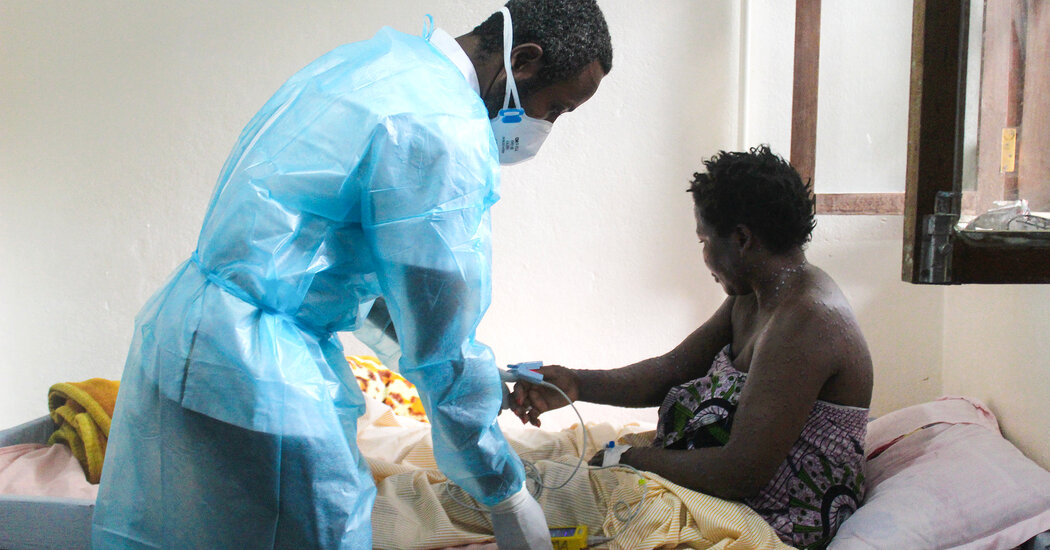

Unsecured biological material in African laboratories and halted health inspections at transportation hubs have heightened concerns among scientists regarding the spread of dangerous pathogens like mpox and Ebola. The suspension of foreign aid by the previous U.S. administration has severely impacted global health initiatives, rendering populations worldwide more susceptible to infectious outbreaks, experts warn.
American safety is also at risk. While COVID-19 originated in China, it highlights how rapidly diseases can traverse the globe, reaching U.S. shores promptly. Dr. Githinji Gitahi, CEO of Amref Health Africa, emphasized, “It’s actually in the interest of American people to keep diseases down,” pointing out that relaxed measures make controlling disease spread increasingly challenging.
Interviews with over 30 experts in health organizations reveal a precarious global health landscape. A particularly dire situation unfolds as the Democratic Republic of Congo battles one of the deadliest mpox outbreaks while the U.S. grapples with escalating bird flu cases. Simultaneously, hemorrhagic fevers like Ebola, Marburg, and Lassa fever smolder across African nations. In 2023, the United States Agency for International Development (U.S.A.I.D.) allocated $900 million for health programs in over 30 countries. These initiatives are now frozen due to halted foreign aid, causing significant setbacks in outbreak preparedness.
Although waivers were issued for ongoing efforts against Ebola, Marburg, and mpox, logistical obstacles thwarted implementation. Nicholas Enrich, former acting assistant administrator for global health at U.S.A.I.D., reported that numerous projects granted waivers were unable to proceed, as the administration ultimately canceled around 5,800 contracts. This cessation may lead to tens of thousands of new infectious cases annually, as per some estimates.
The State Department, led by Secretary of State Marco Rubio, justified the freeze as a measure to ensure all operational programs serve national interests by enhancing security or prosperity. However, the abrupt termination affected more than 50 U.S.A.I.D. staff, significantly diminishing outbreak response capabilities. African countries, previously supported by American aid, face immense challenges as crucial health infrastructure crumbles. Key roles, like the leading expert in laboratory diagnostics and the Ebola response manager, were expunged, leaving only a handful of staff to manage multiple health crises.
For instance, when Tanzania denied new Marburg cases, it was a local health worker, trained through a U.S.-funded program, who uncovered the outbreak. Likewise, the Kenyan health system faces severe shortages in critical supplies, threatening to miss initial cases of outbreaks due to reduced capacity. A critical shortfall in animal disease screening, particularly in nations like Somalia, poses significant risks for trans-border disease spread.
Before the aid freeze, quick collaboration among agencies like the Centers for Disease Control and Prevention (C.D.C.) and World Health Organization (W.H.O.) ensured rapid crisis response. Now, however, communication barriers and funding cuts stifle response capabilities, endangering global health security. Efforts by African labs to control dangerous pathogens are stymied, raising concerns about potential biosecurity threats. Experts like Kaitlin Sandhaus argue this severely undermines global efforts to monitor and manage hazardous bio-materials.
With emerging economies reliant on foreign aid, the U.S. withdrawal not only weakens current bilateral relations but jeopardizes future cooperation in dealing with pandemics. As contagion knows no borders, declining aid and collaborative networks may spell dire consequences for global and American public health.
Original Source: https://www.nytimes.com/2025/03/07/health/usaid-funding-disease-outbreaks.html
Category : your-feed-science,Foreign Aid,Medicine and Health,Disease Rates,Ebola Virus,Monkeypox,Avian Influenza,Epidemics,Laboratories and Scientific Equipment,Livestock Diseases,Marburg Virus,Anthrax,United States Agency for International Development,Centers for Disease Control and Prevention,Africa,Congo, Democratic Republic of (Congo-Kinshasa),Kenya,Somalia
Tags:
Publish Date: 2025-03-08 20:41:00