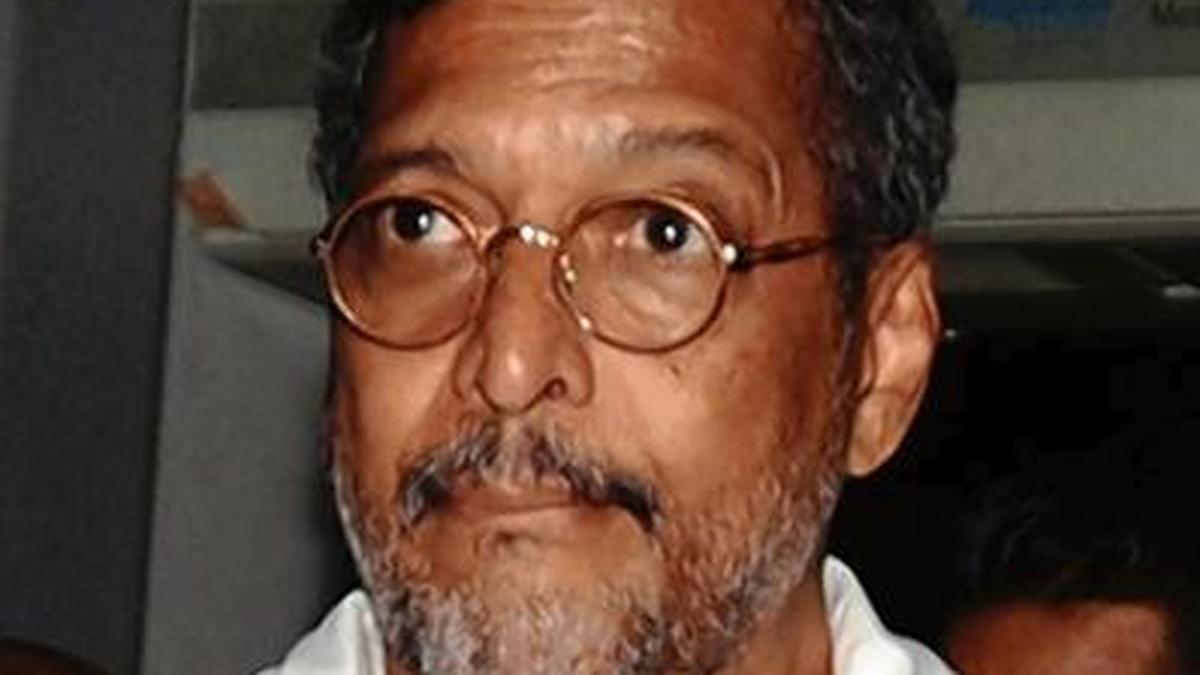
Justice Served: Mumbai’s Andheri Court Dismisses Tanushree Dutta’s High-Stakes Case Against Nana Patekar

In a significant development concerning the #MeToo movement, the Mumbai Andheri court has dismissed the case filed by actress Tanushree Dutta against veteran actor Nana Patekar and others. The court cited that the complaint was filed beyond the permissible period of limitation and lacked a reasonable explanation for the delay. This decision brings closure to a high-profile case that highlighted issues of sexual harassment in the Indian film industry.
Tanushree Dutta lodged the complaint on October 10, 2018, naming Nana Patekar, choreographer Ganesh Acharya, filmmaker Rakesh Sarang, and Abdul Sami Abdul Gani Siddiqui. She alleged two incidents of misconduct, the first occurring on March 23, 2008, and the second on October 5, 2018. Her allegations were filed under Section 354, pertaining to the assault or use of criminal force with intent to outrage a woman’s modesty, and Section 509 of the Indian Penal Code, which deals with acts intended to insult a woman’s modesty.
In reviewing the first incident, Magistrate N.V. Bansal concluded that the evidence presented by the investigating officer (IO) did not support any incriminating findings against the accused. The court emphasized that the IO’s inability to file the final report within the legally prescribed three-year limitation period further complicated the matter. Consequently, the court ruled that it could not take cognizance of the case due to this procedural oversight, leading to the dismissal.
The second incident involved a protest petition filed by Ms. Dutta, where she presented an affidavit against remarks made by one of the accused, Abdul Sami Abdul Gani Siddiqui. During a sting operation, Siddiqui allegedly made offensive comments that Ms. Dutta argued publicly humiliated her. However, Magistrate Bansal dismissed these claims, noting that while Siddiqui did infringe upon Ms. Dutta’s privacy, there was insufficient evidence to prove intent to publicize these comments. Bansal stated, “In the absence of prima facie proof of guilty intention (mens rea), there are no sufficient grounds for proceeding.”
The resolution of this case marks a poignant moment in the ongoing discourse about workplace harassment and the systemic challenges survivors face when seeking justice. While the court’s decision signifies a legal closure for Nana Patekar and the others involved, it also underscores the hurdles in legal processes for #MeToo claims, particularly concerning statutory limitations and evidence requirements.
Tanushree Dutta, reflecting on the case, expressed disappointment with the judicial outcome. She pointedly remarked on social media that the decade-long struggle impacted her career and personal life, necessitating a prolonged period of recovery and healing. Her statement, “I quit the industry and it took me 10 years to heal,” highlights the personal cost of seeking justice in such cases, resonating with many who have come forward in the #MeToo movement.
As the case reaches its conclusion, it brings to the fore important discussions about the legal framework governing sexual harassment claims in India, urging a re-evaluation of how such matters are approached in both societal and judicial contexts. The decision also reiterates the importance of timely legal action and a robust evidentiary foundation in prosecuting cases of this nature. This case, set against the backdrop of the Maharashtra film industry, leaves a lasting impact on the discourse around the rights and protections of individuals in workplace environments.
Original Source: https://www.thehindu.com/news/national/maharashtra/me-too-mumbais-andheri-court-dismisses-actor-tanushree-duttas-case-against-nana-patekar/article69306033.ece
Category : Maharashtra
Tags:
Publish Date: 2025-03-08 16:43:00