Landmark Ruling: SC Ensures Equal Opportunities for People with Disabilities in Judicial Service

Landmark Supreme Court Ruling Emphasizes Inclusive Framework for Persons with Disabilities in Indian Judiciary
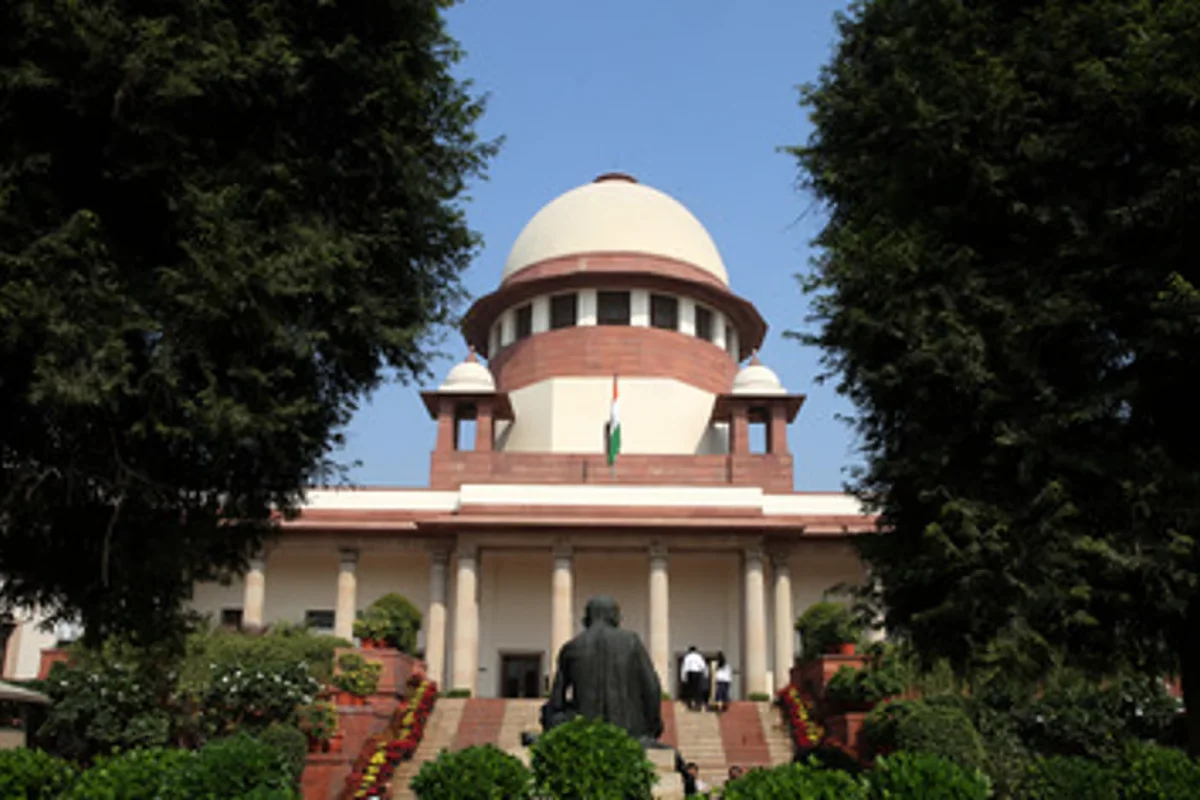
In a significant step towards promoting equality and accessibility, the Supreme Court of India has ruled that no individual can be denied recruitment to the judicial service solely due to physical disabilities. The court’s verdict emphasizes the state’s obligation to ensure an inclusive framework for persons with disabilities (PwD), rejecting provisions that barred visually impaired and low-vision candidates from judicial appointments.
The ruling, delivered by a bench of Justices JB Pardiwala and R. Mahadevan, struck down provisions of the Madhya Pradesh Judicial Services Rules that excluded visually impaired and low-vision candidates from judicial posts. The court also invalidated the requirement of a three-year practice requirement or a 70% aggregate score for PwD candidates, clarifying that educational qualifications should apply without additional restrictive conditions. "PwD candidates must be provided reasonable accommodations under the Rights of Persons with Disabilities Act, 2016 to ensure fairness in judicial service recruitment," the court emphasized.
The verdict is a major win for persons with disabilities, who have long faced barriers in pursuing careers in the Indian judiciary. Visually impaired and low-vision aspirants are now eligible for judicial posts and cannot be excluded due to indirect discrimination, such as procedural barriers. The court’s ruling also extends to the Rajasthan Judicial Service exam, which must reconsider PwD candidates who were denied selection due to the absence of a separate cutoff in preliminary examinations.
To ensure accessibility, the court has directed authorities to provide necessary training and accommodations for disabled judicial officers upon recruitment. The case originated from a letter sent to former Chief Justice DY Chandrachud by the mother of a visually impaired candidate, protesting exclusion from the Madhya Pradesh Civil Judge Class-II examination in 2022. The Supreme Court took suo motu cognizance, issuing notices to the Madhya Pradesh High Court, State of Madhya Pradesh, and the Union of India.
Senior Advocate Gaurav Agarwal, acting as Amicus Curiae, argued that provisions like Section 34 of the Rights of Persons with Disabilities Act, 2016, which mandates reservations for disabled persons, also extend to judicial officers. The Madhya Pradesh Rights of Persons with Disabilities Rules, 2017, already provides 6% reservation for PWD candidates. Justice Pardiwala inquired whether visually impaired judicial officers require specialized training, with the Amicus Curiae and an Expert Committee affirming that visually impaired judges can perform judicial functions effectively with adequate support and training.
With this landmark ruling, all PWD candidates who participated in judicial service selection exams are now entitled to reconsideration and potential appointment, upholding the principle of substantive equality and ensuring greater accessibility for persons with disabilities in the Indian judiciary. The verdict is a significant step towards promoting inclusivity and equality in the Indian judiciary, reflecting the nation’s commitment to the rights of persons with disabilities.
Original Source: https://www.guwahatiplus.com/india/sc-upholds-equal-opportunities-for-persons-with-disabilities-in-judicial-service
Category : India
Tags:
Publish Date: 2025-03-03 15:41:00