Unveiling the Smoky Secret: How Peat Fuels Whisky’s Bold Flavors Amidst the Climate Crisis

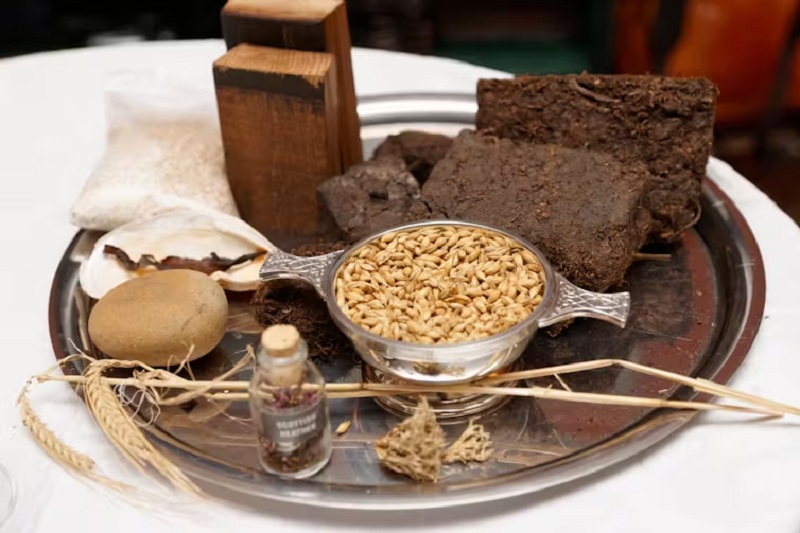
In the realm of Scotch whisky, the distinct smoky flavors cherished by connoisseurs stem from peat—a traditional fuel used in drying barley. Although only about 1% of Scotland’s peat is used in whisky production, the environmental impact of peat extraction is significant. Historically vital in a treeless Scotland, peat burning has evolved into a hallmark of unique whisky flavors, appealing to enthusiasts, or “peat heads,” who value phenol concentrations in their favorite drinks.
However, this practice releases ancient carbon into the atmosphere, contributing to environmental degradation. Scotland’s peatlands, which cover just 3% of Earth’s surface, store more carbon than all of the world’s forests but are now 80% degraded. Efforts to curb peat extraction for horticulture are underway, but sustainable solutions in whisky production require innovation and time, as new blends must age for years before hitting the market.
While some in the industry are investing in peat restoration and exploring alternative flavor methods, change is slow. Whisky makers are tasked with balancing tradition with ecological responsibility. As the industry explores these new paths, consumers are encouraged to support environmentally-conscious distilleries and consider peat-efficient options.
To preserve one of Scotland’s most valuable natural resources and continue enjoying the unique flavor of peaty whiskies, ongoing advocacy for positive industry changes is essential. The evolution of peat use in whisky production reflects broader environmental challenges, urging both tradition lovers and climate-conscious consumers to rethink their choices.
Original Source: https://nenow.in/environment/why-peat-is-a-key-ingredient-in-whisky-and-the-climate-crisis.html
Category : Environment,Lifestyle
Tags:
Publish Date: 2025-01-26 00:38:00