
The Ones Who Found Quarks: A Glimpse into SLAC’s Legacy and Future
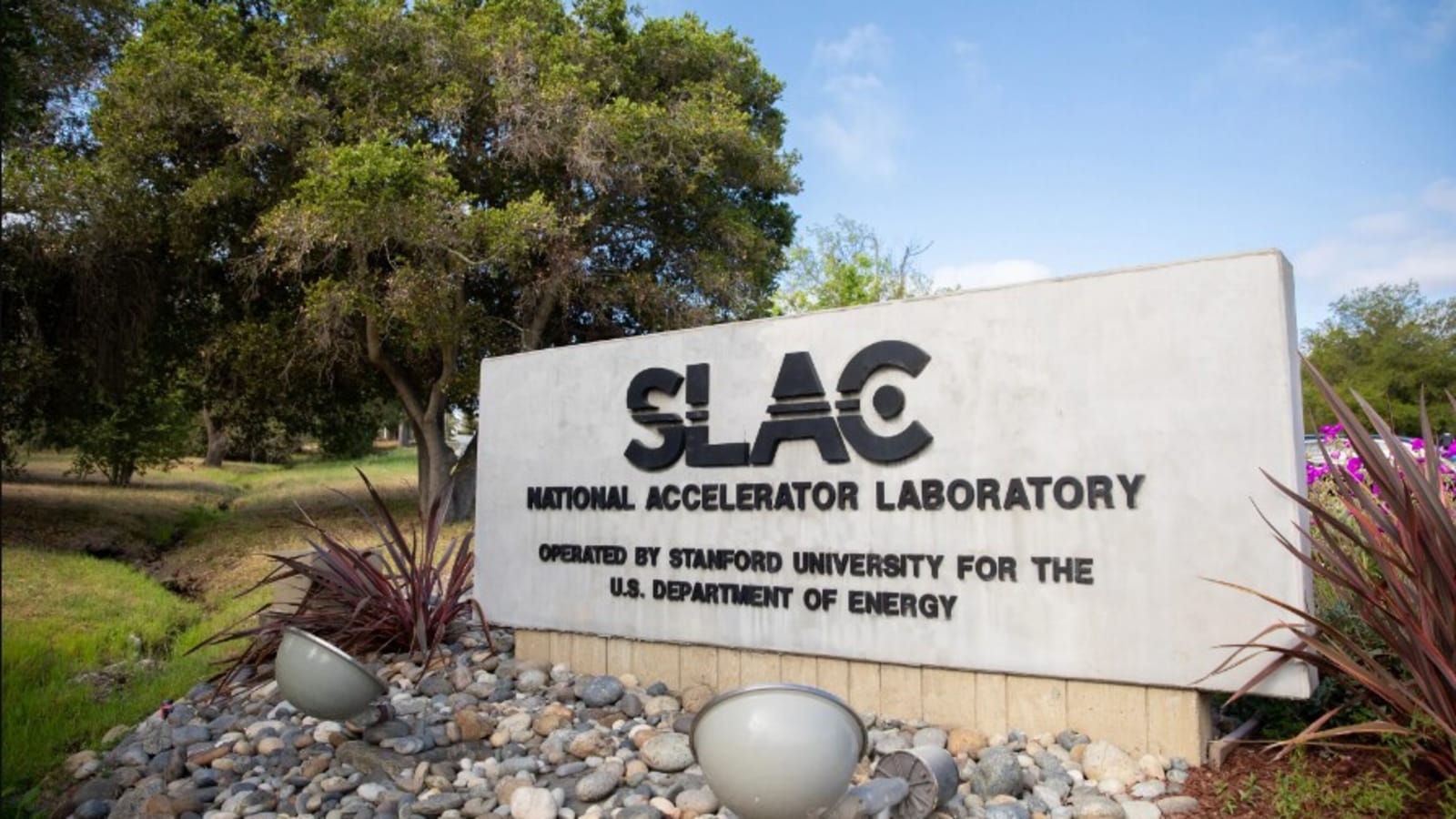
Just like constructing a high-performance racing car demands significant investment in infrastructure and tools, groundbreaking research thrives on substantial funding and resources. This thought comes to mind as I stand at the massive 2-mile-long linear accelerator of SLAC National Accelerator Laboratory.
As a dedicated enthusiast of science and innovation, my excitement is palpable. SLAC holds a pivotal place in the annals of physics. Post-World War II, as the race to unearth fundamental particles like quarks intensified, Stanford physicists proposed a linear accelerator project to the Atomic Energy Commission, which culminated in the construction of "the Monster" in 1964. This accelerator facilitated electrons to reach nearly the speed of light, enabling the discovery of quarks in 1967, earning its scientists a Nobel Prize.
The laboratory’s pioneering efforts didn’t stop there. In the 1970s, scientists initiated the Stanford Synchrotron Radiation Lightsource to explore x-rays generated from electron beams, leading to revolutionary insights. By 2009, the Linac Coherent Light Source (LCLS) was launched, empowering researchers to capture X-ray snapshots of atoms and molecules, greatly advancing the fields of chemistry and biology.
LCLS’s recent upgrade to LCLS 2 dramatically enhances its capabilities, firing a million X-ray flashes per second and thus allowing deep exploration into quantum materials and potentially groundbreaking applications in clean energy and medicine.
SLAC’s ambitions extend to the cosmos through the Legacy Survey of Space and Time (LSST) in Chile, equipped with a 3200-megapixel camera poised to study dark energy and dark matter. This project promises to produce the most detailed map of the night sky, revealing new insights into the universe.
SLAC underscores the critical role of heavy investment and visionary scientific endeavors. With a $541.5 million annual budget, SLAC drives forward our understanding of both the universe’s smallest particles and its vast expanse, maintaining developed nations at the forefront of technological and scientific advancement.
Shweta Taneja, an author and journalist based in the Bay Area, writes about how emerging technologies are reshaping society. Find her online at @shwetawrites.
Original Story https://www.hindustantimes.com/opinion/seeing-silicon-the-ones-who-found-quarks-101724497262006.html
Category :
Tags: