Heart-Wrenching Legacy of Partition: Unveiling the Brutal Reality of Lebensraum in Assam

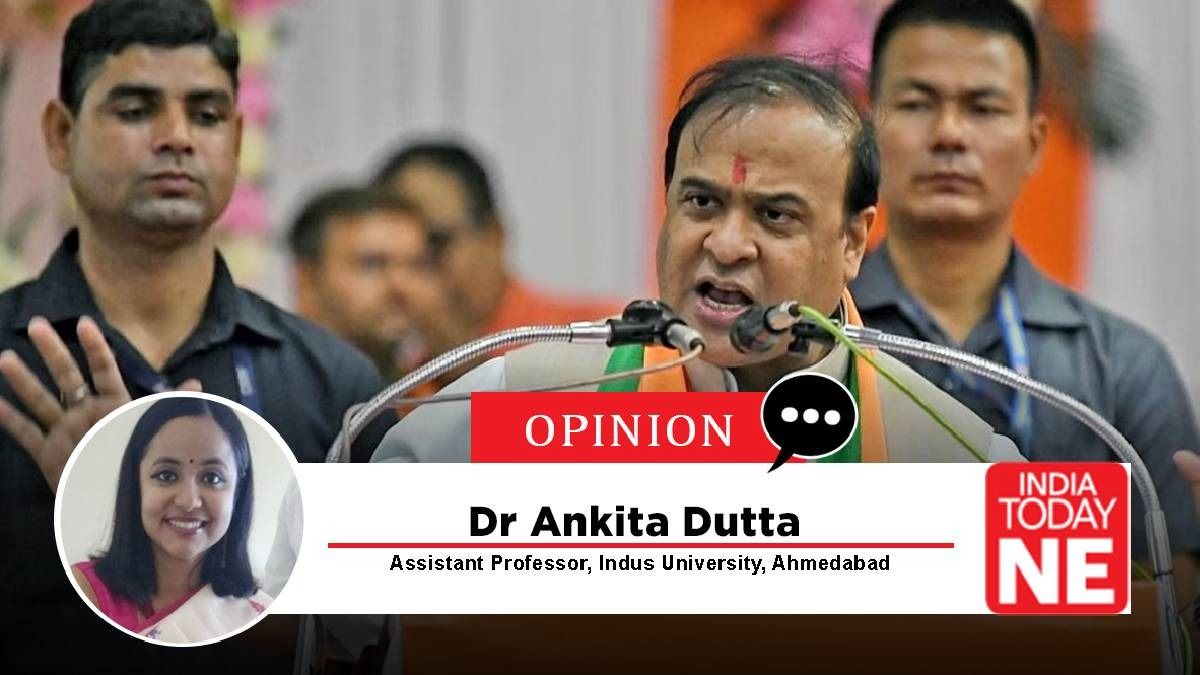
Assam Chief Minister Dr. Himanta Biswa Sarma recently highlighted a significant demographic shift in Assam, with the Muslim population rising to 40%. Sarma emphasized that this demographic change is a critical issue impacting the region’s political and economic landscape, extending beyond mere religious or communal concerns. He argued that it touches upon the civilizational identity and existence of communities.
In March 2020, during the initial phase of the COVID-19 lockdown, the Nizamuddin Markaz incident in Delhi saw young Muslims defying lockdown rules, resulting in virus spread across several states, including Assam. This incident, along with others involving violent confrontations and defiance of state orders by some Muslim groups, points to a pattern reflecting a separatist mindset rooted in historical tensions.
The ideology that Hindus and Muslims are irreconcilable has persisted since the Partition of India in 1947. Events such as the attack on a Tiranga Yatra in Uttar Pradesh in 2018 and opposition to the National Anthem in madrassas further illustrate ongoing communal tensions. Critics argue that these actions are part of a larger strategic objective to destabilize the Indian state.
Religious conversion practices, particularly targeting young, impressionable Hindu girls and regions of strategic importance like Punjab, Andhra Pradesh, and Tamil Nadu, are seen as efforts to alter India’s demographic fabric. Such conversions are allegedly facilitated by both institutional setups, such as schools, and cultural platforms like Bollywood.
The North-East region, sharing borders with Myanmar, Bangladesh, and China, faces additional challenges from illegal immigration, arms smuggling, and Maoist influences, exacerbating the instability. The debate over these issues is often clouded by accusations of xenophobia and Islamophobia, but there is a genuine concern over national security and cultural integrity. To address these fears, an honest and unbiased discourse on religious conversions and demographic changes is necessary.
The article urges a deeper understanding of Islamic doctrines and practices to foster genuine dialogue and dispel misconceptions, emphasizing that the geopolitical implications of such demographic shifts cannot be understated.
Original Story https://www.indiatodayne.in/opinion/story/festering-wounds-of-the-partition-the-reality-of-lebensraum-in-assam-1052057-2024-07-18?utm_source=rssfeed
Category :
Tags: