
The Nelson Mandela Rules Drive Prison Reform in the Philippines
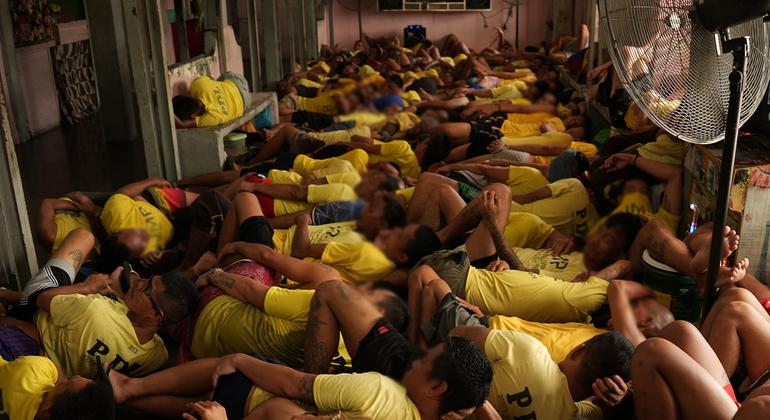
The Nelson Mandela Rules, named after South Africa’s former president who was unjustly imprisoned for 27 years, are instrumental in reforming prisons and penal systems in the Philippines. These rules aim to ensure prisoners are treated with dignity and respect, living in conditions that prevent overcrowding and inhumane treatment. In the Philippines, prison congestion is severe, with facilities like Manila City Jail housing over 3,200 men in a space meant for 1,200. Temperatures in these cramped dormitories can reach 40°C, falling short of the Mandela Rules’ standards for adequate living conditions.
Despite the grim conditions in facilities like Manila City Jail, there is progress. Efforts focus on improving healthcare for prisoners, ensuring they receive standards similar to those available in the community. The new Marawi City Jail, opened in May 2024 in Mindanao, exemplifies adherence to the Mandela Rules. Built with support from the UN Office on Drugs and Crime (UNODC), it features modern infrastructure, a well-stocked library, and educational and vocational training programs aimed at aiding prisoners’ social reintegration.
Instructors from Mindanao State University offer classes, and law students help expedite legal processes for prisoners. These measures, along with the establishment of an in-prison court, are expected to prevent overcrowding by speeding up case resolutions.
Marawi City Jail is poised to become a model for future detention facilities in the Philippines. This development underscores the objective that imprisonment should only deprive individuals of their liberty, not their dignity or rights. The Philippines joined the Group of Friends of the Nelson Mandela Rules in 2023, demonstrating its commitment to humane prison reforms.
Adopted by the UN General Assembly in December 2015, the Nelson Mandela Rules offer a universally recognized blueprint for 21st-century prison management, with UNODC as their custodian.
Original Story https://news.un.org/feed/view/en/story/2024/07/1152161
Category :
Tags: