Supply, Security, and Scale: Governance for Wi‑Fi 7 Deployments

Speed Isn’t Enough: why peak throughput is the least interesting metric for architects
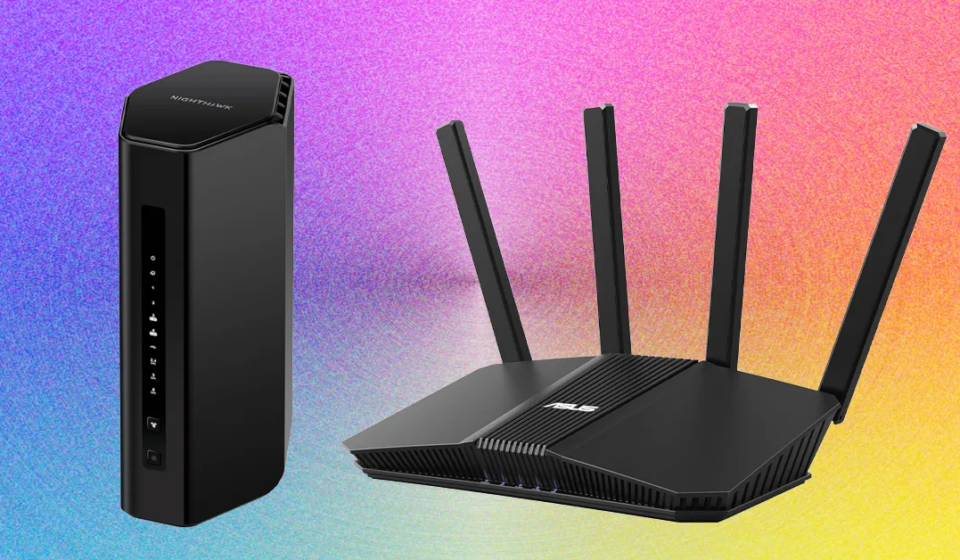
We’ve entered an era where headline numbers-gigabits, multi‑GHz bands, and exotic acronyms-dominate conversations about home and small-office networking. A recent comparative review of the latest consumer routers highlights exactly that trend: strong on raw Wi‑Fi 7 throughput, lively on feature checklists, and convenient for reviewers and buyers chasing top speed. But for enterprise architects and technology leaders, the strategic questions are more subtle: how does this generation of Wi‑Fi change system design, operational risk, and long‑term total cost of ownership?
The signal (short version)
The review benchmarks many new Wi‑Fi 7 devices and travel routers, and surface‑tests practical tradeoffs: 6‑GHz delivers extra bandwidth but has limited range; dual‑band devices can be cost‑effective; firmware, subscription services, and vendor support vary widely; and mesh/placement still matter more in real homes than peak speeds.
What this means for architecture and operations
First, treat Wi‑Fi 7 as an evolution in capacity and latency-not a panacea for network architecture. Multi‑Link Operation and wider channels are excellent for low‑latency, high‑bandwidth flows (cloud gaming, AR/VR endpoints, local media transfers), but they increase surface area: more radios, more firmware components, and a higher expectation of vendor updates. Architects must therefore bake firmware lifecycle management into procurement. A device that performs well on day one but lacks sustained update support is a long‑term liability.
Second, the perennial trade‑off-range vs. throughput-has become more pronounced. The 6‑GHz band is short‑range and sensitive to obstructions. That changes the calculus for office floors and multi‑dwelling units: instead of buying a single “monster” AP for its headline throughput, plan a distributed fabric with deliberate backhaul (preferably wired or dedicated wireless links) and centralized management. In other words: prioritize predictable coverage and manageability over chasing peak Mbps.
Third, commercialization of features matters. Several vendors are packaging security, parental controls, and advanced management as subscription services. For enterprises and public institutions, that shifts costs from capital to recurring operational expense-and raises questions about data handling, vendor lock‑in, and compliance. Negotiate clear SLAs on firmware, security patches, and data ownership up front.
Tactical guidance for CTOs and network leads
- Inventory first: map client types (IoT, BYOD, legacy devices) and traffic patterns. Most environments will continue to rely on 2.4/5 GHz for older devices; 6 GHz should be targeted where its strengths matter.
- Design for coverage: use AP density and wired/Ethernet backhaul planning rather than a single high‑spec box. Heat‑mapping and pilot deployments reduce surprises.
- Operationalize firmware: require multi‑year update commitments in procurement and integrate patching into your configuration management pipeline.
- Isolate and secure the LAN: adopt least‑privilege segmentation (guest/IoT/VLANs) and consume firewall/observability appliances that provide deep telemetry without compromising privacy.
- Model recurring costs: treat vendor subscriptions, cloud management fees, and security suites as part of TCO, not optional extras.
A pragmatic note for India and similar markets
The practical constraints I see in many Indian enterprises and startups-heterogeneous device fleets, thicker masonry walls, and budget sensitivity-make the above advice especially relevant. In contexts where wired backhaul is patchy, a modestly dense mesh with Ethernet or power‑line backhaul often delivers better user experience than a single “fast” router. For rural and small‑town deployments, prioritize resilience (firmware updates, remote management) and predictable coverage over chasing the latest radio band.
Key takeaways
- Wi‑Fi 7 brings capability but also complexity; plan for lifecycle and manageability.
- Coverage and predictable QoS matter more than headline throughput for real users.
- Vendor subscriptions and firmware promises are now first‑class procurement considerations.
- Design networks as fabrics-density, backhaul, segmentation-rather than one‑box solutions.
Closing thought
Speed headlines make for exciting demos; resilient, manageable networks make for reliable services. As architects, our job is to translate shiny specs into systems that keep people productive and data safe over years-not just minutes of benchmark glory.
About the Author: Sanjeev Sarma is the Founder Director and Chief Software Architect at Webx Technologies. With a core focus on Generative AI integration, Cloud-Native Scalability, and Enterprise Software Architecture, he has spent over two decades driving digital transformation across Northeast India and beyond. Beyond his corporate leadership, Sanjeev is deeply invested in shaping the future of the IT industry. He serves as an Industry Expert on the Board of Studies for Assam Don Bosco University’s School of Technology, advises state technology committees, and actively mentors emerging tech startups at STPI. He brings a unique, dual perspective of high-level enterprise execution and future-ready academic curriculum development.