
The Lipulekh Pass in Uttarakhand’s Pithoragarh district reopened this week for seasonal trade after a six-year closure that began in 2020, reviving one of the Himalayas’ oldest commercial corridors, restoring a key route for the Kailash Mansarovar pilgrimage and offering an economic lifeline to remote frontier communities even as territorial disputes remain unresolved. Authorities have set up customs infrastructure and issued trade permits, and the first batch of Indian traders is preparing to cross the 5,300-metre (17,400-foot) pass into Tibet.
Long before modern borders, Lipulekh linked the Kumaon region with western Tibet. For centuries the Rung (Shauka) traders carried rice, jaggery, spices, textiles and household goods across the mountains and returned with Tibetan wool, borax, rock salt, medicinal herbs and livestock. Trade ceased after the 1962 war, resumed under a bilateral agreement in 1991, and traditionally ran seasonally from June to September until the 2020 suspension.
The reopening promises immediate economic relief for villages such as Dharchula, Gunji, Nabi, Kuti and Garbyang, where whole livelihoods depend on seasonal cross-border commerce. Border trade supports transporters, porters, mule owners, warehouse operators, hotels, restaurants and small shops. The India–China Border Trade Association says dozens of Indian traders left merchandise worth about Rs 2 crore in warehouses and shops at Taklakot in Tibet when the route closed, and many lost six consecutive trading seasons. Traders are expected to inspect stored goods and decide whether to sell them or seek compensation.
Infrastructure upgrades completed during the closure could make trade more viable. India completed the strategically important Tawaghat–Dharchula–Lipulekh road while the pass was shut, bringing vehicles much closer to the border. Improved road access, customs facilities and communications should lower transport costs and speed seasonal commerce.
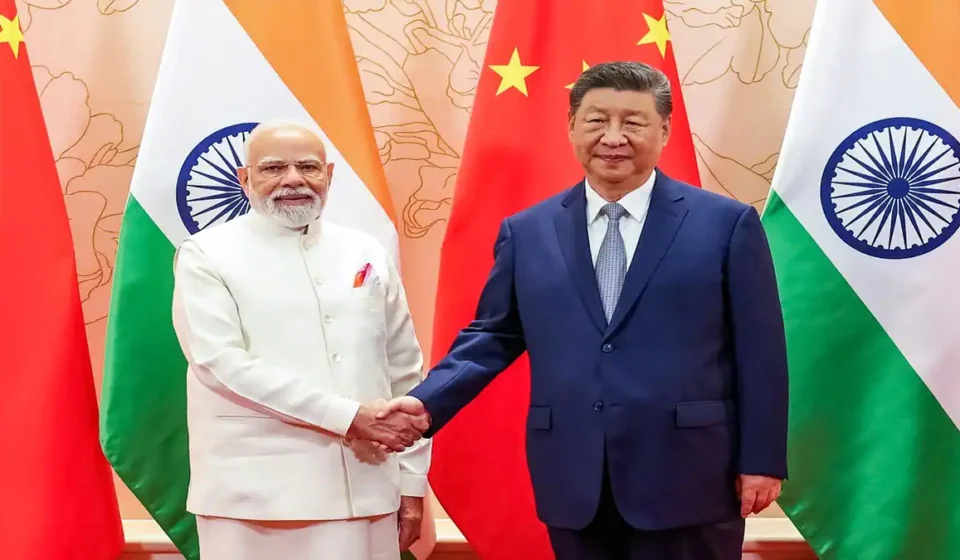
The reopening also has diplomatic overtones. Although the initial suspension followed the COVID-19 pandemic, the route remained closed after relations frayed following the Galwan Valley clash in June 2020, which cost 20 Indian soldiers and at least four Chinese troops their lives. The move to resume trade comes amid military disengagement at several LAC friction points and renewed high-level engagement between New Delhi and Beijing. Chinese officials called the step a goodwill gesture; Foreign Minister Wang Yi urged that China and India see each other as “partners, not rivals.”
India has portrayed the move more soberly, framing it as the restoration of a historic trade route rather than a strategic breakthrough. The differing narratives reflect a cautious reset: limited practical cooperation can resume without resolving the larger boundary dispute.
That dispute also involves Nepal, which claims Lipulekh, Kalapani and Limpiyadhura based on its reading of the 1816 Treaty of Sugauli. India disputes Nepal’s interpretation, citing a different source of the Kali River and decades of uninterrupted administration. Kathmandu protested after India opened the Dharchula–Lipulekh road in 2020, and diplomatic objections have continued.
For residents of India’s Himalayan frontier the effect is immediate and tangible: the reopening restores markets, revives seasonal incomes, reconnects communities and brings commerce back to a fragile border economy that has waited six years for trade to return.
Original Source: https://www.firstpost.com/business/beyond-border-trade-lipulekh-pass-reopening-india-china-himalayas-explained-14028260.html
Category: India
Tags:
Publish Date: 2026-07-02 12:53:00