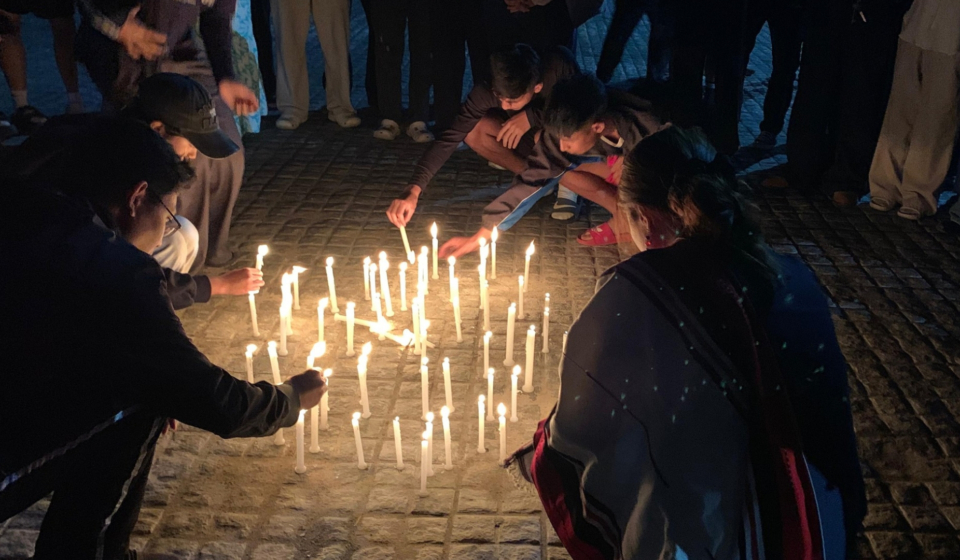

For more than three years, Manipur has been trapped in a cycle of violence, displacement and grief that reaches beyond political debate and ethnic narratives to the private lives of ordinary families whose relationships cross community lines. The violence that erupted on May 3, 2023, has not only uprooted homes and livelihoods across the state but also made people ask a painful question: where do we belong when those we love find themselves on different sides of a conflict?
This reflection comes from lived experience. I come from a Tangkhul Naga background and am part of a Meitei family by marriage; relatives, friends and loved ones belong to different communities. That interconnectedness, which once felt ordinary, has made the conflict feel deeply personal. Growing up in a Jawahar Navodaya Vidyalaya residential school reinforced that sense: students from diverse backgrounds lived, studied and formed friendships that rarely paid heed to ethnic labels.
When violence began, the immediate response for many was not political argument but anxious messages across community lines-checking whether friends and family were safe. One enduring friendship with a Kuki colleague became a lifeline of calls, messages and prayers focused on one concern: safety. In the same period, families donated money, food and essentials to those displaced. Among the unsung acts of compassion I recall most is my mother’s quiet, unpublicized work supporting internally displaced persons-listening to their stories, sharing their pain and standing by those who had lost homes and loved ones.
The human cost goes beyond visible destruction. In places such as Langka in Kangpokpi district and Thoiyee in Ukhrul district, people speak of restricted movement, economic hardship and the emotional toll of living with constant insecurity. Children have lost years of normal childhood, students’ education has been interrupted, and many live with persistent uncertainty. Psychological scars-fear, unresolved grief and eroded trust-threaten to be passed down if left unaddressed.
Healing Manipur cannot be limited to rebuilding roads and houses. It must involve rebuilding trust, restoring relationships and creating safe spaces for communities to heal together. The road to peace will require political will, justice, accountability and sincere dialogue, but it also depends on ordinary citizens resisting hatred, rejecting dehumanization and listening to one another.
Conflict may divide territories, but suffering recognizes no ethnic boundaries. If we can still see one another as fellow human beings, there remains hope for a shared future. Langkham Kalpana is a psychology educator and researcher from Manipur; these reflections are shaped by personal experience and relationships across communities. The views expressed are personal.
Original Source: https://eastmojo.com/premium/2026/06/27/manipur-living-through-conflict-holding-on-to-hope/
Category: Manipur,News,Northeast News,Premium ,Manipur violence
Tags:
Publish Date: 2026-06-27 10:00:00