Architecting Rider-Centric Systems for Purpose-Built Robotaxi Scale

A Purpose-Built Robotaxi Isn’t Just a Vehicle – It’s a Systems Design Choice
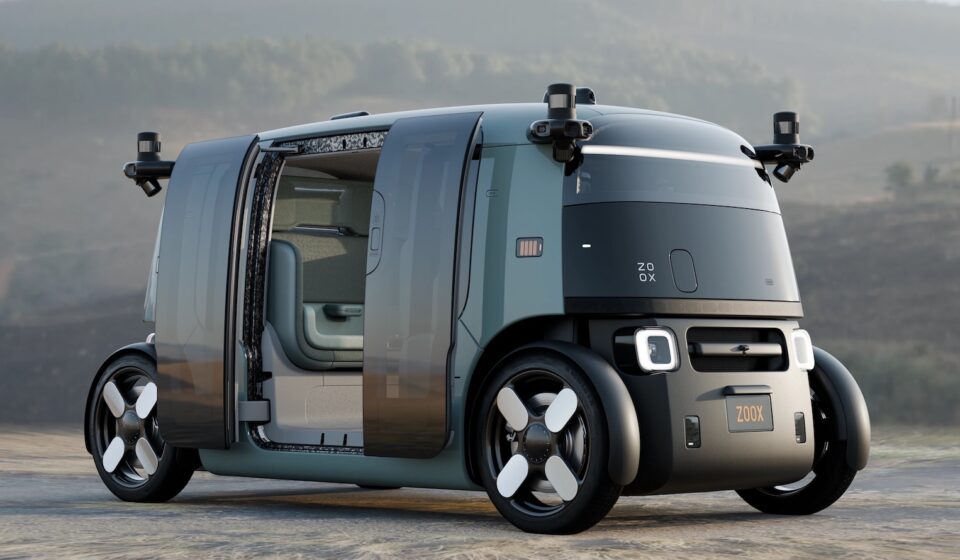
Ten years into the autonomous vehicle race, the conversation is shifting from “who can drive itself” to “how do we get people to actually use it?” The latest iteration of a purpose-built robotaxi-reworked interiors, clearer rider communications, and a production-intent design-is a useful prompt to think bigger: this is not just product design, it’s the architectural framing of an entire mobility service.
What happened (in brief)
A company focused on a ground-up robotaxi design has rolled out an updated production-intent vehicle, citing lessons learned from hundreds of thousands of rider interactions and preparing to scale manufacturing. The changes emphasise human-centred cabin design, clearer two-way communications, and manufacturability at an initial ramp rate – signaling a move from prototype fleet to operational service.
Why the “purpose-built” decision matters to architects
Most organisations building autonomous mobility face a core architectural choice: retrofit existing consumer vehicles or design a vehicle and operations stack from scratch. The former can accelerate deployment through existing supply chains; the latter forces a co-design of hardware, software, and service processes that can unlock distinctive UX, operational efficiency, and safety characteristics.
From an enterprise-architecture viewpoint, purpose-built designs compress several advantages and risks into a single decision:
-
Systems co-design vs. integration tax: When hardware and software are co-developed, latency-sensitive subsystems (sensor placement, compute cooling, actuators) can be optimised holistically. That reduces integration debt but raises up-front R&D and supply-chain complexity. Enterprises should budget for longer design-validation cycles and robust hardware-in-the-loop testing before optimistic production forecasts.
-
Feedback loops and telemetry as first-class citizens: The reported product changes stem from large-scale rider feedback. That highlights a pattern every CTO should bake in: instrument experiences end-to-end, collect high-quality telemetry, and close the loop rapidly with iterative UX and controls changes. This requires secure, scalable data pipelines and a governance model for consent, retention, and model retraining.
-
Safety, regulatory and operability are a triad: A production-intent autonomous vehicle isn’t just a certified control stack; it’s an operational playbook involving remote diagnostics, emergency response integration, and support workflows. Two-way audio, refined door interfaces, and clearer external signalling are as much about reducing friction with cities and first responders as they are about rider comfort. Architects must plan for operational procedures and regulatory interfaces early – not as an afterthought.
-
Manufacturing cadence and scalability: A stated capacity (for example, an initial 100 vehicles/week) is useful context for planning software rollouts, OTA strategies, and spare-parts logistics. A modest ramp rate can still deliver valuable operational data, but scaling to thousands of vehicles demands modular hardware designs, supplier redundancy, and lifecycle cost planning.
Human-centred design is strategic, not cosmetic
UX improvements – calmer interiors, ergonomic seats, simpler color palettes – may look cosmetic, but they are adoption accelerants. Lower cognitive load increases rider trust and reduces support incidents. For enterprises building platforms that touch humans directly, design choices are risk mitigators: less confusion, fewer abandoned trips, and better data quality from more consistent behaviours.
A short note for Indian innovators
The lessons translate well to Indian cities and the startups serving them. Whether you’re building last-mile EVs, shared mobility platforms, or urban logistics fleets, prioritise resilient telemetry, local regulatory engagement, and pragmatic manufacturing partnerships. In regions with diverse operating conditions, modularity and rapid field-feedback cycles are disproportionately valuable.
Actionable takeaways for CTOs and founders
- Frame vehicle/service development as a socio-technical system – align hardware, software, operations, and regulation.
- Invest early in telemetry, data governance, and consent-first pipelines to enable evidence-driven iterations.
- Design for manufacturability and logistics at the outset; production intent changes late in the cycle are costly.
- Treat human-centred UX as a strategic lever for adoption and operational stability.
- Build regulatory and emergency-response channels into the operational architecture from day one.
Closing thought
Autonomy will win not by proving tech can drive, but by designing services people choose to ride – and that requires treating vehicles as nodes in a broader system of people, cities, and governance.
About the Author: Sanjeev Sarma is the Founder Director and Chief Software Architect at Webx Technologies. With a core focus on Generative AI integration, Cloud-Native Scalability, and Enterprise Software Architecture, he has spent over two decades driving digital transformation across Northeast India and beyond. Beyond his corporate leadership, Sanjeev is deeply invested in shaping the future of the IT industry. He serves as an Industry Expert on the Board of Studies for Assam Don Bosco University’s School of Technology, advises state technology committees, and actively mentors emerging tech startups at STPI. He brings a unique, dual perspective of high-level enterprise execution and future-ready academic curriculum development.