Architecting Unified AI-Driven Platforms for Modern Hospitality

The temptation at trade shows is to admire shiny demos. The more useful exercise is to read the wiring underneath them – the architectural choices that will determine which solutions endure, which become technical debt, and which actually change how hospitality businesses operate.
A trade‑show signal
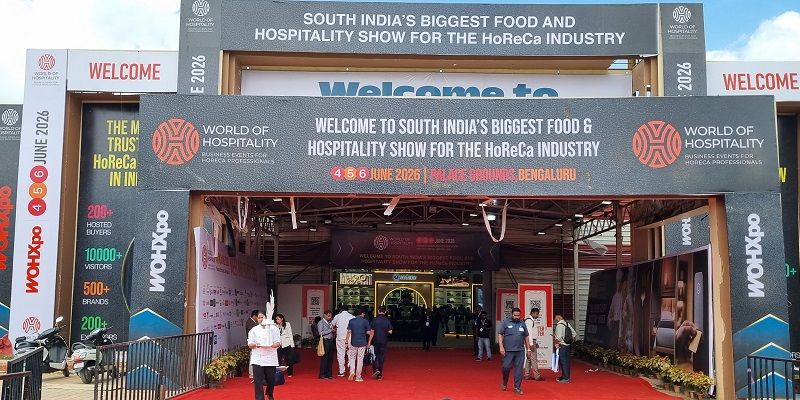
This week’s World of Hospitality Expo in Bengaluru (a three‑day industry showcase) reinforced a clear signal: the hospitality sector is moving beyond point solutions toward integrated operational platforms that stitch together procurement, inventory, workforce management, guest engagement and analytics. Equally visible were demands for traceability in supply chains, energy‑efficient operations, and AI‑assisted forecasting – all driven by margin pressure and shifting consumer expectations.
What this means for enterprise architecture
I have often argued that digital transformation is less about adopting tools and more about choosing the right architectural posture. The hospitality sector’s current pivot surfaces several strategic implications for CTOs and founders.
-
From best‑of‑breed islands to composable operating stacks. Operators want a single operational experience without sacrificing specialist capabilities. That implies an API‑first, composable architecture: small, well‑documented services (inventory, procurement, bookings, POS, guest CRM) connected via event streams and service contracts rather than brittle point‑to‑point integrations. This reduces integration friction and makes vendor replacement manageable.
-
Canonical data and a single source of truth. Inventory, supplier provenance, menu items and pricing need consistent identifiers and business rules across systems. Invest early in master data management, event schemas and data contracts; otherwise, analytics and ML models will fail to deliver reliable forecasts.
-
Real‑time observability and IoT as first‑class concerns. Cold‑chain monitoring, kitchen energy use and equipment health are no longer “nice to have.” Treat telemetry like financial data: ingest it via scalable event pipelines, apply real‑time rules, and surface exceptions to operations. Observability (traces, metrics, logs) is essential for SRE practices that keep kitchens and guest services running.
-
ML in production – focus on MLOps, not model novelty. Demand forecasting and staffing optimization can materially cut costs, but only if models are deployed with versioning, drift detection, human‑in‑the‑loop approvals and clear feedback loops tied to actual KPIs (waste reduction, fill rates, labour hours). Governance here matters: reproducibility, explainability and an ROI cadence for retraining.
-
Trade‑offs: speed vs stability; centralisation vs resilience. A centralized cloud platform accelerates feature delivery, but hospitality is physically distributed and latency‑sensitive. Adopt an edge‑capable pattern for latency‑critical functions (POS, local queuing, intermittent connectivity) while centralizing heavy analytics and model training. Plan for graceful degradation and automated reconciliation.
-
Risk and sovereignty. With supply‑chain and guest data flowing across vendors, implement zero‑trust networking, role‑based access, encryption at rest and in transit, and data minimization. For Indian operators, consider data residency and contractual data rights when sharing supplier provenance or guest analytics with third parties.
Why this matters especially in India
Procurement in India has historically been fragmented and relationship driven. Digital platforms that give operators visibility into provenance, quality and pricing can unlock better margins and local sourcing opportunities. For regions like Northeast India, where unique produce and artisanal ingredients exist, digital traceability + market access can create premium supply channels while reducing waste and middlemen. That is where technology, sustainability and inclusive growth meet.
Practical takeaways for leaders
- Start with a clear data contract: define core entities (item, supplier, location, booking) and their schemas before integrating vendors.
- Use event streaming for inventory and telemetry to enable eventual consistency and offline resilience.
- Invest in MLOps for demand forecasting with real KPIs and rollback plans.
- Design for modular replacement (adapter pattern) to avoid vendor lock‑in.
- Treat energy and equipment telemetry as operational data – it pays back in reduced downtime and lower bills.
Closing thought
Trade shows showcase possibility; the real test is whether those possibilities get converted into resilient, observable systems that reduce cost, raise experience quality, and keep the lights on-literally and figuratively-in the kitchens and hotels we design for.
About the Author: Sanjeev Sarma is the Founder Director and Chief Software Architect at Webx Technologies. With a core focus on Generative AI integration, Cloud-Native Scalability, and Enterprise Software Architecture, he has spent over two decades driving digital transformation across Northeast India and beyond. Beyond his corporate leadership, Sanjeev is deeply invested in shaping the future of the IT industry. He serves as an Industry Expert on the Board of Studies for Assam Don Bosco University’s School of Technology, advises state technology committees, and actively mentors emerging tech startups at STPI. He brings a unique, dual perspective of high-level enterprise execution and future-ready academic curriculum development.