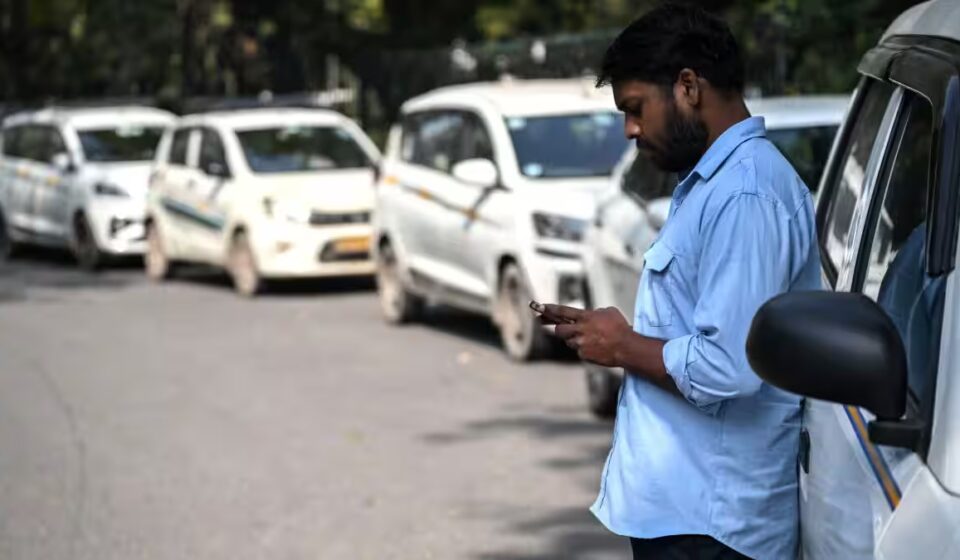

Nearly 70 transport associations and commercial vehicle unions launched a coordinated three-day road blockade across Delhi-NCR on May 21, 2026, disrupting morning commutes and forcing thousands to seek alternative travel during peak hours. The strike, called by the All India Motor Transport Congress (AIMTC) with backing from local groups including the Chaalak Shakti Union, is set to continue until May 23, 2026. Drivers say rising fuel costs, reduced aggregator payouts and stagnant fares have made operations unsustainable.
Union leaders pointed to steady increases in CNG, petrol and diesel prices and to the Delhi government’s recent hike in the Environment Compensation Cess (ECC) on commercial vehicles as immediate pressures on incomes. They also say official taxi fares in Delhi have not been substantially revised in nearly 15 years and fail to cover current running costs. App-based drivers have accused ride-hailing companies of sharply cutting incentives and payouts in recent weeks. The AIMTC has submitted formal demands to Lieutenant Governor Vinai Kumar Saxena and Chief Minister Atishi, seeking floor pricing for aggregators and an urgent review of fuel taxes and vehicle cess. Union representatives warned that, unless a fare-revision notification is issued within two weeks, the protest could widen.
The strike’s impact was uneven across the capital. Sanjay Gandhi Transport Nagar, one of the city’s busiest commercial hubs, reported near-total shutdown as heavy trucks stayed off the roads. At Indira Gandhi International Airport, Terminals 1 and 3 saw only limited app-based cab availability and longer queues at prepaid taxi counters; news agency IANS reported that taxi availability had been reduced and unions cautioned the disruption could deepen after 10 a.m. New Delhi Railway Station experienced a mixed response, with some private cab operators joining the strike while auto-rickshaws remained available in parts of the complex.
The Delhi Metro saw a significant, indirect effect as commuters shifted to rail to avoid road uncertainty, leading to unusually heavy footfall at several stations. Despite broad participation-more than 68 associations joined-the action exposed divisions in the city’s transport sector: several major auto-rickshaw unions chose not to participate.
Transport authorities have urged commuters to rely on the Delhi Metro and state-run DTC buses and to monitor local traffic advisories through May 23, 2026, while officials and union leaders remain in contact over the submitted demands.
Original Source: https://www.firstpost.com/india/delhi-ncr-commute-hit-as-commercial-drivers-begin-3-day-strike-over-fuel-prices-cab-payouts-14013535.html
Category: India
Tags:
Publish Date: 2026-05-21 11:40:00