
We cheer when technology finally closes a long-standing user pain – but celebration shouldn’t obscure what this change actually means for architects, security teams, and regulators.
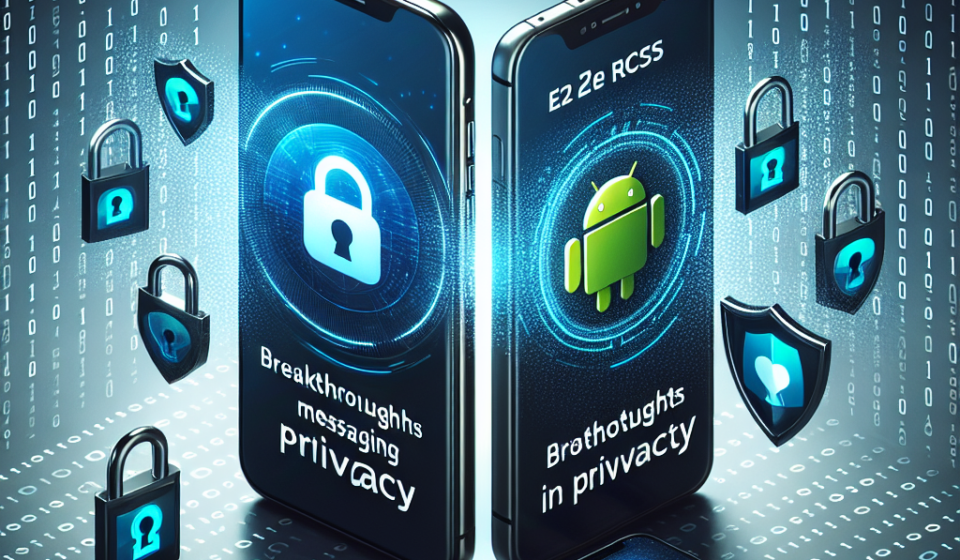
The signal: Apple and Google’s cross-platform roll-out of end-to-end encrypted (E2EE) RCS messaging – now beginning in beta for up-to-date iPhone and Android devices – removes a technical barrier that kept iMessage and modern Android messaging siloed. For everyday users this means richer cross-platform chats with encryption, typing indicators, reactions and fewer broken group chats. That’s the user story; the architecture and policy story is more complex.
Why this matters beyond “blue vs green bubbles”
As a chief architect I see this as a standards-and-trust inflection point, not simply a consumer feature. Cross-vendor E2EE for a de facto carrier-based protocol changes the threat model and the expectation of confidentiality for billions of messages. For enterprises, governments, and platform designers this produces immediate trade-offs:
– Security vs. Manageability: E2EE protects message content from interception, but it reduces visibility for traditional monitoring tools (DLP, e-discovery, centralized audit trails). Organizations that rely on logging or lawful interception will need new processes and architectures to manage risk without undermining user privacy.
– Metadata remains valuable: Encryption of content doesn’t eliminate metadata (timestamps, participants, device IDs). That data will continue to be a target for analytics, compliance and surveillance. Architects must design systems assuming metadata will be available and sensitive.
– Key management and trust: Cross-vendor E2EE requires interoperable key-exchange and trust models. Unlike closed enterprise messaging, public messaging must contend with device identity, account recovery, and abuse mitigation – all while avoiding weak recovery flows that negate encryption.
– Regulatory friction: In jurisdictions where lawful access is demanded, this update will accelerate policy debates. Regulators will ask how to reconcile user privacy with public safety and lawful interception frameworks.
What CTOs and Founders should do now
– Treat consumer E2EE as a new baseline expectation for privacy, and update security and compliance policies accordingly. Don’t assume message content will be available for incident response.
– Re-evaluate BYOD and collaboration strategies. For highly sensitive workflows, consider enterprise-managed messaging platforms that retain controlled visibility, or deploy secure gateways and MDM solutions that separate personal and corporate communication contexts.
– Update incident playbooks to rely on endpoints and telemetry beyond message content (device posture, app telemetry, access logs).
– Audit third‑party integrations that depend on SMS/RCS (OTP, notifications). OTP via SMS remains insecure; moving to app-based authentication or hardware-backed keys is a better long-term approach.
– Engage legal and compliance early. Define how the organization will respond when lawful access is sought but content is encrypted end-to-end.
A practical note for India and similar markets
This development has clear resonance for Indian enterprises and public services that use SMS extensively for notifications and authentication. While user-to-user RCS E2EE improves message privacy, it does not automatically protect service-generated messages (e.g., OTPs, transactional alerts) unless those services adopt secure channels. For Digital Public Infrastructure and state projects, this is an opportunity to accelerate migration from SMS-based auth to application-based, cryptographically stronger methods – and to update DPI and compliance strategies to account for encrypted user communications.
Closing takeaways
– Cross-platform E2EE is a strategic shift: it raises the bar for user privacy and forces organizations to rethink monitoring, authentication and incident response.
– Metadata, key management, and device security become the new front lines.
– Leaders must balance privacy, usability and regulatory obligations with concrete architecture decisions – now, not after the next breach.
We should welcome encryption as progress, but not confuse it with a panacea. True resilience comes from honest trade-offs: robust endpoint security, clear policies, and system designs that respect privacy while keeping enterprises operable and accountable.
About the Author
Sanjeev Sarma is the Founder Director of Webx Technologies Private Limited, a leading Technology Consulting firm with over two decades of experience. A seasoned technology strategist and Chief Software Architect, he specializes in Enterprise Software Architecture, Cloud-Native Applications, AI-Driven Platforms, and Mobile-First Solutions. Recognized as a “Technology Hero” by Microsoft for his pioneering work in e-Governance, Sanjeev actively advises state and central technology committees, including the Advisory Board for Software Technology Parks of India (STPI) across multiple Northeast Indian states. He is also the Managing Editor for Mahabahu.com, an international journal. Passionate about fostering innovation, he actively mentors aspiring entrepreneurs and leads transformative digital solutions for enterprises and government sectors from his base in Northeast India.