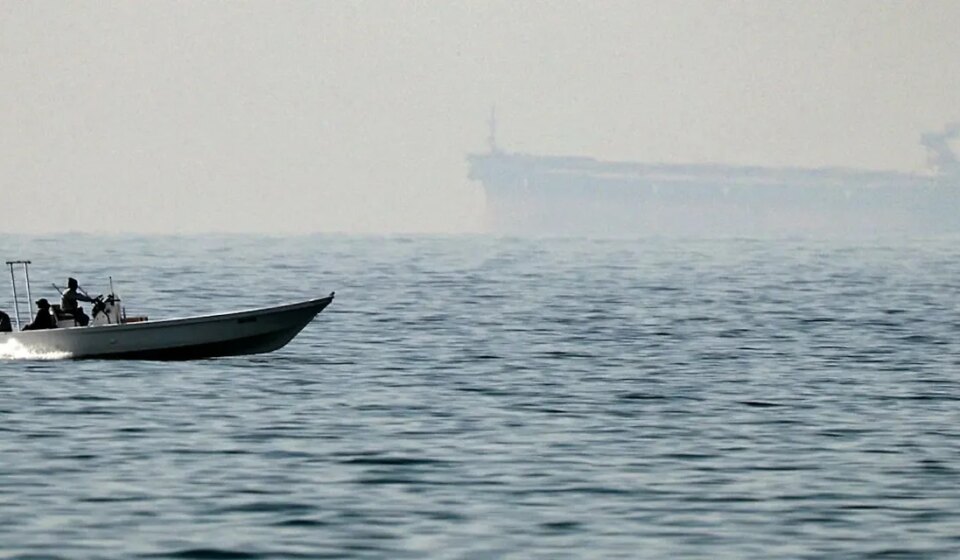

After weeks of blockades in the Strait of Hormuz by Iran and the United States, the narrow waterway has become central to the wider conflict and to global energy security. The US has begun escorting ships through the strait, but behind the naval moves lies a deeper shift: Iran is proposing to charge transit tariffs through Hormuz, reportedly as reparations for war damage, and to price those fees in Chinese yuan rather than US dollars. If enforced, those tariffs are estimated at roughly US$40–50 billion a year and could blunt the effect of US economic sanctions.
The change comes as other regional developments unsettle markets. The United Arab Emirates — a key US ally — has withdrawn from OPEC, a move described as a major blow to the cartel. That fragmentation, together with Iran’s tariff plans, has pushed Persian Gulf energy security into a state of profound flux.
Iran says it has already received yuan payments from vessels bound for China, India and Japan, and its parliament is working to formalise tolls in yuan. Tehran has also begun accepting cryptocurrency for some transactions. By shifting receipts away from the US dollar, Tehran aims to cultivate closer ties with China and to reduce reliance on dollar-denominated finance.
The broader significance lies in the legacy of the petrodollar. Since the 1970s, most oil trade has been priced in US dollars — a system that bolstered the dollar as the world’s reserve currency and gave Washington financial leverage. Petrodollars were routinely recycled into US securities and sovereign wealth funds, helping finance US deficits and underpin global financial flows.
If Iran can sustain yuan-denominated tolls, it could contribute to erosion of that system and a tilt in regional influence toward China and other Asian powers. As economist Antonio Bhardwaj put it, this would represent “the systematic erosion of the petrodollar system and the emergence of the petroyuan as a credible, institutionally embedded alternative framework for settling global energy transactions.”
That shift would force difficult choices. As analyst Pakizah Parveen warns, we could see “a bifurcated global oil market: barrels from compliant parties would move through Hormuz in yuan. In contrast, non-compliant parties would incur significantly higher costs in dollar-denominated barrels.” Countries under economic strain — including Pakistan, South Korea, Japan and the Philippines — would face pressure to choose sides.
It would be premature to declare full de‑dollarisation. But yuan tolls would be another step toward a more multipolar financial order. Central banks now hold more gold than US debt securities for the first time since 1996, and several BRICS members trimmed US holdings in 2025 — trends that add momentum to alternatives to dollar dominance. Iran’s proposed tariffs, denominated in yuan, would increase strategic flexibility for some states while raising new uncertainties for the global energy and financial system.
Chris Ogden, University of Auckland
Original Source: https://nenow.in/world/iran-wants-oil-tariffs-paid-in-chinese-yuan-is-the-power-of-the-us-petrodollar-in-decline.html
Category: Business,Top News,World
Tags:
Publish Date: 2026-05-11 23:15:00