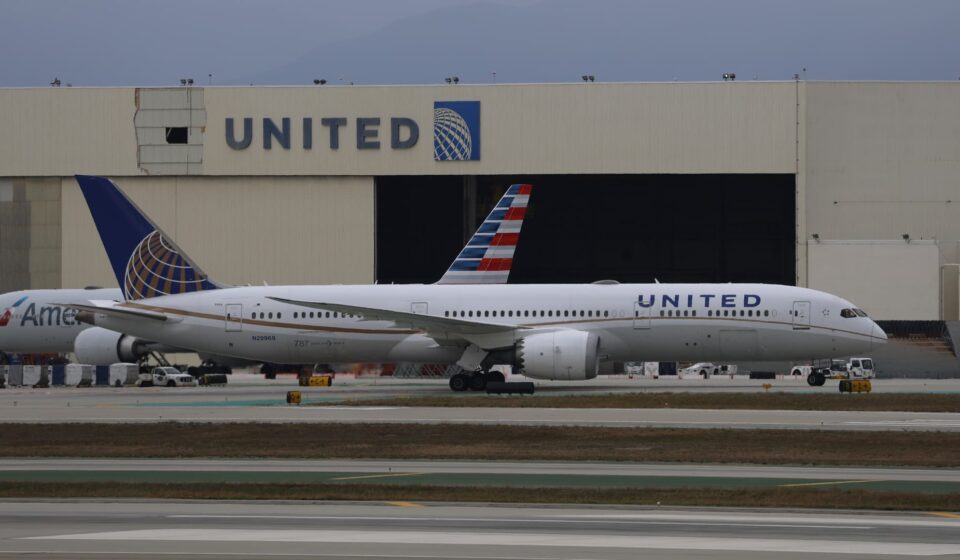

Jet fuel prices have skyrocketed in 2026, driven primarily by rising tensions in Iran that have effectively closed the Strait of Hormuz, a key passage for oil transportation. Despite these soaring costs, airline executives report that travelers are continuing to book flights, often absorbing the increased fares. This price surge coincided with spring break, which has begun to impact airline profits, raising concerns about future demand as consumers typically don’t book flights far in advance.
In March, ticket sales through travel agencies climbed 12% compared to the previous year, reaching $10.4 billion. Domestic trips rose by 5%, while international travel saw a modest increase of 1%, according to the Airlines Reporting Corp. The cost of domestic economy tickets has jumped 21% from last year, averaging $570, while premium seating has seen a 17% rise, bringing the average price to $1,444.
“Bookings have remained resilient amidst these changes, which is an encouraging sign,” said JetBlue Airways CEO Joanna Geraghty during a recent earnings call. Many U.S. airlines are confronting additional costs exceeding $6 billion tied to the ongoing conflict in Iran. However, major carriers, including JetBlue and American Airlines, have expressed optimism about consumers accepting the higher fuel prices, forecasting a potential increase in revenue in the latter half of 2026.
JetBlue anticipates second-quarter revenue growth of up to 11% compared to last year, despite calling the war’s repercussions the most significant challenge since the COVID pandemic. American Airlines also projected a revenue uptick of 13.5% to 16.5% for the same period, with CEO Robert Isom highlighting successful load factor management that reflects strong demand relative to increased capacity.
Major carriers like Delta Air Lines and United Airlines expect continued fare growth, focusing on premium seating options that command higher prices. However, low-cost airlines that typically emphasize domestic routes are facing tougher times. These budget carriers, represented by the Association of Value Airlines-including Frontier and Avelo Airlines-are seeking $2.5 billion in relief from the government to mitigate rising fuel expenses.
As oil prices may stabilize, experts caution that jet fuel prices might not see immediate relief due to additional costs associated with refining and transportation. UBS airline analyst Atul Maheswari noted, “It’s possible that ticket prices remain elevated, especially since fares have historically lagged behind overall inflation since the pandemic.” He suggested that if jet fuel prices eventually decline, airlines could experience significant earnings growth and margin expansion by 2027, contingent upon sustained demand.
In summary, while the airline industry navigates the challenges posed by high fuel prices, customer demand appears resilient. Whether this trend continues through 2026 remains to be seen, but airlines are bracing for busy summer months ahead. For the latest developments in the aviation sector, stay tuned to trusted sources like CNBC.
Original Source: https://www.cnbc.com/2026/04/28/airlines-fares-fuel.html
Category :
Tags:
Publish Date: 2026-04-29 01:58:00