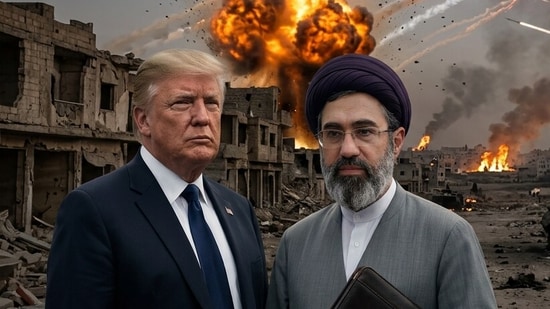
Urgent LIVE Updates: Tehran Faces Crushing 2-Month Internet Blackout as Hope for Peace Talks Fades

The ongoing war between the U.S. and Iran took a significant turn on February 28 when joint strikes by U.S. and Israeli forces resulted in the deaths of Iran’s Supreme Leader and various high-ranking officials. As the already tenuous efforts for a ceasefire falter, U.S. President Donald Trump abruptly canceled a planned diplomatic visit by his envoys to Pakistan, citing Iran’s failure to present an “acceptable” peace proposal. “If they want to talk, all they have to do is call,” he posted on Truth Social, later claiming Iran had offered much but not enough to satisfy U.S. demands.
Trump elaborated further, stating that shortly after the cancellation, Iran submitted a revised proposal that he deemed “much better.” However, he withheld details, emphasizing that any agreement must ensure Iran “will not have a nuclear weapon.” This diplomatic clash follows an earlier attempt by Iranian Foreign Minister Abbas Araghchi in Islamabad, where he had discussed potential frameworks for de-escalation but left amid escalating tensions. Iran’s President Masoud Pezeshkian declared that Tehran would not engage with Washington under pressure, making indirect channels the only avenue for communication.
Despite the setbacks in direct talks, the White House indicated some limited progress in dialogue, with Press Secretary Karoline Leavitt stating U.S. officials had been dispatched to “hear the Iranians out.” The administration has also maintained its pressure through fresh sanctions targeting a China-based refinery and several shipping firms linked to Iranian oil exports.
In the region, Israel has intensified its military actions, with Prime Minister Benjamin Netanyahu ordering strikes against Hezbollah in Lebanon, despite a ceasefire recently extended by Trump. Reports confirmed that four casualties resulted from these strikes, which occurred in southern Lebanon amidst claims that Hezbollah had launched rockets into Israeli territory.
In the aftermath of the failed U.S.-Iran talks, Pakistan’s Prime Minister Shehbaz Sharif reiterated his country’s commitment to facilitating peace efforts. He spoke with Pezeshkian shortly after the cancellations, asserting Pakistan’s role in promoting stability in the region. Meanwhile, Iranian Foreign Minister Araghchi is likely to return to Islamabad following additional discussions in Oman, although direct negotiations remain on hold due to significant differences between Iran and the U.S. positions.
As the situation unfolds, regional dynamics take center stage. Turkey’s Foreign Minister Hakan Fidan recently discussed the peace efforts with U.S. officials, signifying a broader interest in resolving the tensions. Additionally, Iran’s near-total internet blackout approaches its second month, a situation worsened by the conflicts that sparked following the February strikes.
The geopolitical landscape continues to shift as both nations grapple with internal and external pressures, complicating the prospects for peace. In the face of ongoing military actions and failed negotiations, the hope for a diplomatic resolution remains elusive, underscoring the fragility of stability in the region.
This article maintains a critical focus on the complexity and urgency surrounding the U.S.-Iran conflict while emphasizing diplomatic efforts and military developments. It captures the latest updates and perspectives from key players, ensuring the timely delivery of essential news to readers.
Original Source: https://www.hindustantimes.com/world-news/us-iran-war-live-updates-donald-trump-pakistan-tehran-araghchi-peace-talks-nuclear-strait-of-hormuz-ceasefire-israel-101777168309314.html
Category :
Tags:
Publish Date: 2026-04-26 14:19:00