McCormick’s Bold Move: Uniting Flavor and Innovation with Unilever’s Food Business Acquisition!

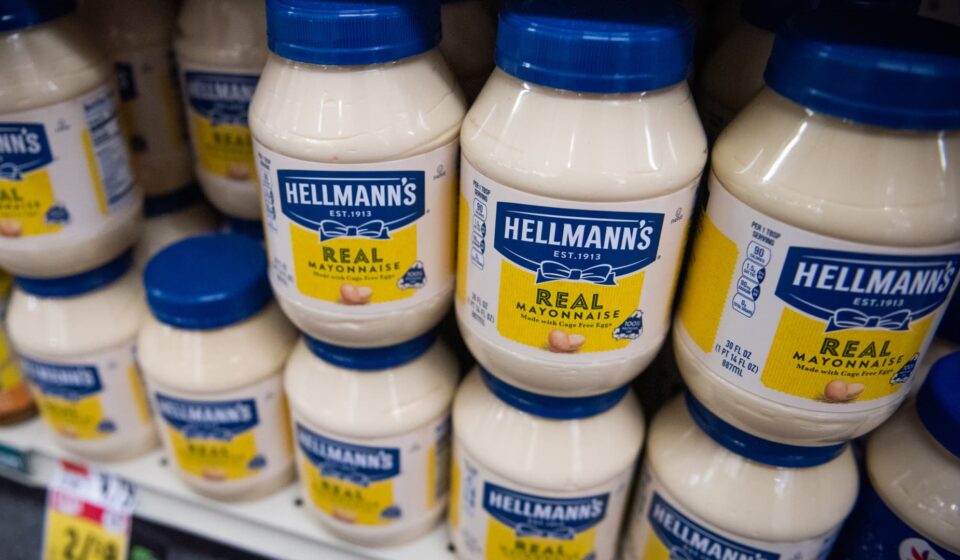
McCormick & Company has announced a major acquisition of Unilever’s food business, a deal valued at approximately $45 billion. This strategic move, which combines cash and equity, positions McCormick to expand significantly into the spreads and condiments market. The deal involves a cash payment of $15.7 billion for much of Unilever Foods’ portfolio, which includes well-known brands such as Hellmann’s mayonnaise and the U.K. favorite Marmite.
As part of the transaction, Unilever shareholders will own 55.1% of the newly combined entity, while Unilever itself will retain a 9.9% stake. This acquisition will enhance McCormick’s annual sales by billions, further diversifying its offerings that already include brands like Frank’s RedHot, Cholula, and French’s mustard and mayonnaise. Notably, Unilever Foods derives around 70% of its sales from Hellmann’s and Knorr, a brand recognized for its seasonings and soups.
For Unilever, shedding a significant portion of its food division allows the company to concentrate on its more rapidly growing personal care segment. This divestiture follows Unilever’s decision last December to spin off its ice cream business, which now operates independently as Magnum Ice Cream Co. However, it’s important to note that the merger does not encompass Unilever’s food operations in India.
The two companies anticipate closing the deal by mid-2027, subject to shareholder and regulatory approvals. McCormick is optimistic about sustainable organic sales growth projected at 3% to 5% following the merger. “This is a combination of two companies already equipped with the support and discipline to run the business effectively,” stated McCormick CEO Brendan Foley during a joint investor call with Unilever. He revealed that discussions about acquiring Unilever’s food sector had been on McCormick’s radar for several years.
In terms of governance, Unilever will appoint four of the 12 board members for the combined company, with a Unilever executive serving as a director for the first two years post-merger. McCormick plans to maintain its global headquarters in Hunt Valley, Maryland, while establishing an international headquarters in the Netherlands, which historically has housed Unilever Foods. The combined entity will also feature a secondary stock listing in Europe.
The acquisition reflects a broader trend among major food companies toward leaner operations through divestitures and spinoffs, particularly as consumer preferences shift away from traditional packaged foods. According to consulting firm Bain, nearly half of the mergers and acquisitions activity in the consumer products sector in 2024 originated from divestitures.
Market reactions to the news were mixed, with McCormick’s shares slipping by 6% and Unilever’s by 4%. Investors appear cautious, reflecting traditional concerns associated with large mergers in the food industry, similar to past cases with Kraft Heinz and Keurig Dr Pepper. Analyst Andrew Lazar from Barclays acknowledged the strategic value of the transaction but highlighted concerns regarding its high cost and execution risks. He noted that the predominant ownership of the new entity by Unilever shareholders might dampen initial investor enthusiasm.
As consumers continue to shift their purchasing habits, this merger signifies a pivotal shift in the landscape of the food industry, revealing both opportunities and challenges for the involved companies.
Original Source: https://www.cnbc.com/2026/03/31/mccormick-buys-unilever-food-business.html
Category :
Tags:
Publish Date: 2026-03-31 20:51:00