Struggling with Sky-High Airfares and Airport Chaos? Discover Vital Strategies for Stress-Free Travel!

Travelers across the U.S. are facing significant challenges this spring, with long waits at airport security checkpoints and soaring airfares driven by escalating fuel costs. In a landscape where consumers’ willingness to fly is being tested, airlines are responding by increasing ticket prices.
Genevieve Price, a 35-year-old naturopathic doctor based in San Diego, exemplifies the modern traveler navigating these turbulent times. While she typically opts for basic economy tickets when visiting family in New Jersey, she leverages her Alaska Airlines frequent flyer status to select seats-an advantage usually unavailable for discounted fares. However, with air travel costs on the rise, she plans to limit her spending, capping future flights at no more than $900, particularly to Rome, where her partner hails from.
Airfares have surged as fuel prices at major U.S. airports hit $3.98-a staggering 60% increase since February 28, following the U.S. and Israel’s military actions in Iran. This geopolitical conflict has resulted in airspace closures in the Middle East, forcing airlines to cancel flights and reroute at higher expenses. In response, carriers like Cathay Pacific and SAS have already adjusted their rates, with United Airlines CEO Scott Kirby warning that airfare might rise by as much as 20% this year. Despite these hikes, demand remains steadfast, as travelers continue to book flights.
Delta Air Lines CEO Ed Bastian recently highlighted that, despite rising fuel prices, the airline is well-positioned to mitigate costs through strong sales. Meanwhile, American Airlines has also indicated a willingness to adjust flight capacity in response to demand fluctuations. Executives emphasize the importance of maintaining a balance between supply and demand in the airline industry.
The impact of rising costs is evident in fare hikes, with transatlantic flights from the U.S. reaching an average of $1,059-up 26.5% in just a week. Domestic flights are not immune either; routes including transcontinental and flights to Hawaii have seen similar increases. Mary Jean Erschen-Cooke, a nurse from Wisconsin, shared her concern over planning family trips this year, contemplating driving as an alternative to flying amid these rising costs.
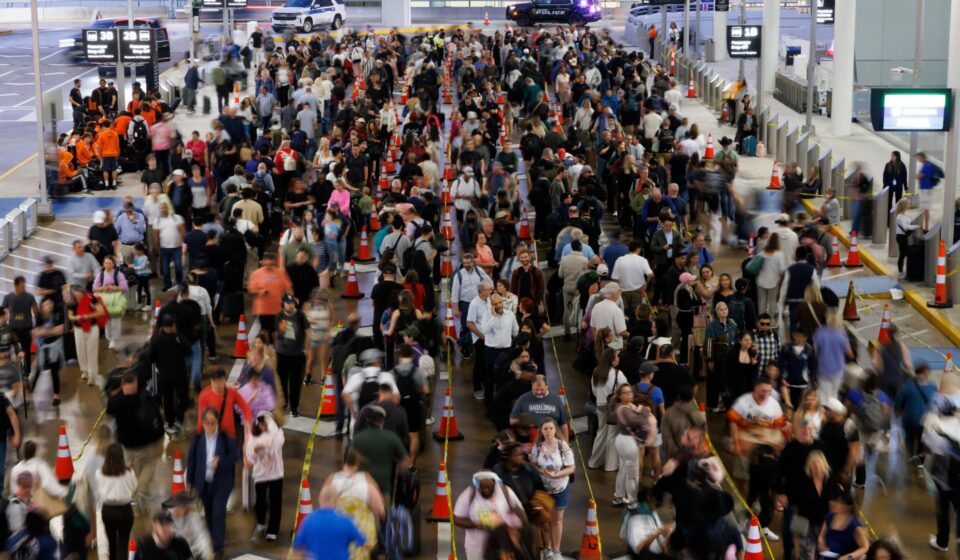
As travelers grapple with increasing fares, they must also navigate severe security delays. TSA officers, currently operating without regular pay due to a prolonged government shutdown affecting the Department of Homeland Security, have led to staffing shortages. Reports indicate that wait times exceed three hours at major airports, such as those in Houston, Atlanta, and New York. Elizabeth Leddy, a classical pianist from New York, described a discouraging experience at LaGuardia Airport, where TSA PreCheck lines reached 90 minutes. She suggested that excessively long waits might lead her to consider driving instead.
The shutdown, now the longest in U.S. history, has left many TSA officers frustrated, with nearly 500 resigning and elevated call-outs contributing to the understaffing. While a proposed deal to end the shutdown was passed in the Senate, the situation remains uncertain. The Trump administration recently initiated measures to compensate TSA officers, who may begin to see paychecks as soon as next week.
As travelers anticipate potential improvements, the introduction of Immigration and Customs Enforcement officers at airports, aimed at monitoring security lines, may create additional anxiety among passengers. The combination of rising costs and long wait times could discourage air travel, prompting a shift in how consumers approach future trips.
With these ongoing challenges in the aviation industry, travelers are left to weigh the convenience of flying against escalating expenses and the hassle of lengthy airport procedures.
Original Source: https://www.cnbc.com/2026/03/28/tsa-security-airfare-airports.html
Category :
Tags:
Publish Date: 2026-03-28 17:30:00