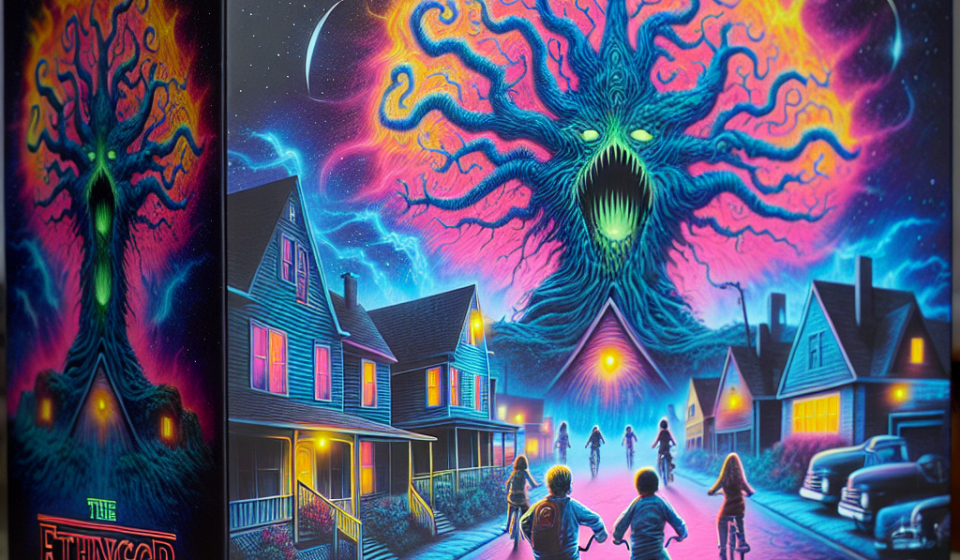

We still talk about “streaming first” as if it erased every other distribution model. Netflix’s licensing for a deluxe, 25-disc Stranger Things boxed set suggests something more nuanced: durable formats and ephemeral services can coexist – and sometimes should.
Context
Arrow Video and Netflix have announced a full-series physical release of Stranger Things (multiple 4K and HD editions, high-end audio/visual masters, and a Deluxe set of collectibles), timed as a premium, collector-focused proposition. This is not merely nostalgia – it’s a strategic signal about ownership, preservation and product diversification.
Analysis – what this means for architects, product leaders and CXOs
1. Ownership vs. access is a product decision, not just a consumer preference. Streaming optimizes for convenience and scale; physical editions optimize for permanence, provenance and premium revenue. Enterprises should map their offerings to both: a core, always-available service layer and a set of durable, high-trust artifacts for customers who need portability, auditability or long-term assurance.
2. Durability = trust. The decision to ship Dolby Vision, high-bitrate masters and Atmos upgrades shows an investment in fidelity that outlives UI trends. For platform builders, that translates into two practices: (a) keep canonical, high-quality master assets in open, well-documented formats and (b) design export pathways so customers can take their data/content with them. Locking people in may help churn in the short term, but it erodes trust and archival value over decades.
3. Premium physical products are strategic brand extensions. The Deluxe edition’s in-universe souvenirs and artbooks convert ephemeral fandom into lasting brand equity. For enterprise brands, think beyond licensing: tangible experiences (special editions, hardware bundles, certified appliances) create higher-margin revenue and stronger evangelists than pure subscription models.
4. Metadata, provenance and preservation are core architecture problems. A collector wants authoritative credits, timelines, design sketches, and versioned masters. That requires rigorous metadata, checksum-backed storage, migration plans, and a cataloging strategy. Treat content like regulated data: version control, audit logs, and migration tests before any format sunset.
5. Supply chain and lifecycle management matter. Producing a physical product introduces manufacturing, logistics and returns – disciplines that many software-first teams underestimate. If you decide to diversify into physical or offline-first deliverables, embed supply-chain thinking into product planning early (forecasting, packaging standards, environmental impact, and reverse logistics).
Actionable takeaways for CTOs and Founders
– Build for export: provide canonical masters and clear export APIs, and audit export workflows annually.
– Preserve metadata: adopt standards (rich schema, checksums, provenance fields) and back them with immutable logs.
– Consider hybrid monetization: subscription for access + limited, high-margin tangible editions for superfans or enterprise buyers.
– Treat physical as a feature: factor in manufacturing lead times, quality assurance, and fulfillment when roadmapping product launches.
– Plan for migration: define a 10-year migration strategy for formats and codecs your business relies on.
A Bharat note (why this matters to India and the Northeast)
India’s film and media heritage faces both a preservation and access challenge. Physical and offline-first strategies are not just collectors’ toys – they are resilience measures for regions with intermittent connectivity and limited archival infrastructure. I’ve argued in advisory forums for stronger state-level audiovisual archives and exportable master policies; this release is a reminder that cultural preservation deserves the same technical rigor we apply to enterprise data.
Closing thought
The Stranger Things boxed-set story isn’t about discs versus streaming. It’s a reminder that durable experiences and ephemeral convenience are complementary axes. Architects should design for both – convenience today, and custody tomorrow.
About the Author Sanjeev Sarma is the Founder Director of Webx Technologies Private Limited, a leading Technology Consulting firm with over two decades of experience. A seasoned technology strategist and Chief Software Architect, he specializes in Enterprise Software Architecture, Cloud-Native Applications, AI-Driven Platforms, and Mobile-First Solutions. Recognized as a “Technology Hero” by Microsoft for his pioneering work in e-Governance, Sanjeev actively advises state and central technology committees, including the Advisory Board for Software Technology Parks of India (STPI) across multiple Northeast Indian states. He is also the Managing Editor for Mahabahu.com, an international journal. Passionate about fostering innovation, he actively mentors aspiring entrepreneurs and leads transformative digital solutions for enterprises and government sectors from his base in Northeast India.