Trump’s ICE Raids Devastate South Texas Construction Industry: A Turbulent Shock to Families and Workers

In South Texas, the intersection of immigration enforcement and the construction industry is reshaping political loyalties among some Trump supporters. “I did vote for Mr. Trump. Deporting criminals is a great policy,” one local builder noted, voicing the concerns of many in the region as federal agents ramp up their presence at construction sites. “These foundations are poured and ready to go, but we can’t even start construction. We voted for the American dream, yet we’re not seeing that right now.”
For months, U.S. Immigration and Customs Enforcement (ICE) has intensified raids, with estimates of 10 to 15 operations targeting workers across various subdivisions in the Rio Grande Valley. “They show up with no warrants, taking workers-even those with proper documentation,” the builder recounted. This tightening of immigration policies has caused significant disruptions, leading to halted operations and a staggering 60% drop in residential construction volume for some businesses. One builder, who has never laid off workers in 40 years, cited a loss of approximately $5.3 million this year alone and was ultimately forced to file for bankruptcy in December.
The repercussions extend beyond construction. Local businesses are struggling as potential customers remain apprehensive about shopping amid the heightened enforcement atmosphere. “There’s been a lot of loss of sales because of that. It killed us this year,” one business owner lamented. With construction accounting for a vital segment of the local economy, the damages are palpable, as many businesses report declining sales.
In this midterm battleground, the Rio Grande Valley-where over 80% of the population is Latino-has notably shifted politically in recent years. In 2024, voters here increasingly supported Trump, but as they face the economic fallout from ICE actions, many are reconsidering their loyalties. “Democrats stopped showing up here and took this community for granted,” a local observer remarked. “When Republican politicians made big promises, people took a chance. A year later, it’s clear those promises weren’t kept.”
The impacts of ICE raids are rippling through the industry, with banks reporting reduced transactions for home construction loans. “Certain banks that provided lending suddenly had much slower activity, declining by 30 to 40%,” one lender explained. After discussions with local builders, it became evident that the uncertainty stemming from ICE operations was the root cause of the slowdown.
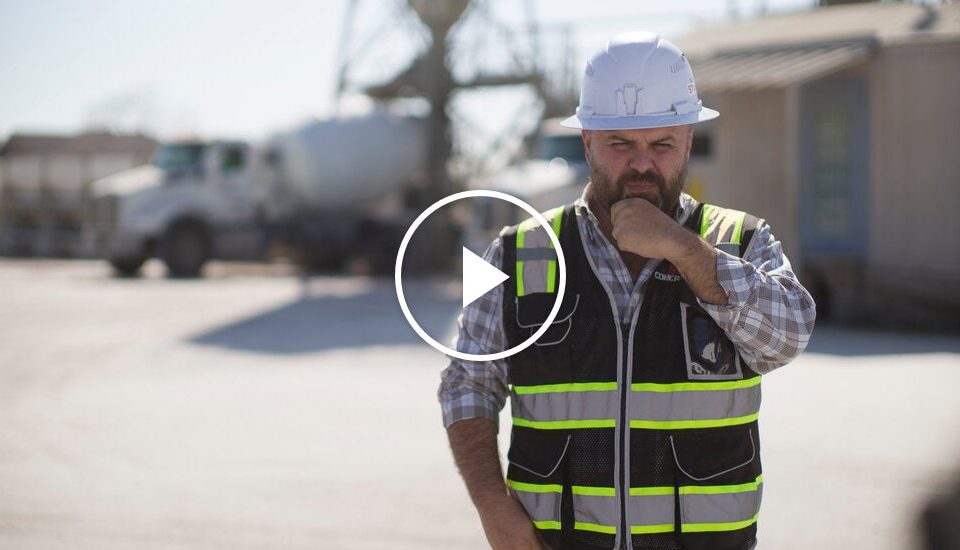
In an effort to address these challenges, Mario, a local builder, sought a meeting with ICE through congressional representatives. During his visit to Washington D.C. with other builders, they pleaded for relief from rigorous enforcement at construction sites. “They informed us that if a construction site is not fenced in, it’s considered public property, which is why they don’t need a warrant,” he shared, leading many in the industry to increase security measures. Despite a subsequent decrease in ICE activity after their meeting, Mario noted that the damage had already been done.
As the midterm elections approach, the ongoing tension between immigration policy and economic stability is forcing voters to reassess their political affiliations and beliefs. “I hope they realize this is affecting us and shaping our feelings towards the administration,” Mario concluded. In a region where Trump’s policies have directly impacted livelihoods, the political landscape may soon reflect the growing discontent.
Original Source: https://www.nytimes.com/video/us/politics/100000010742128/trump-ice-raids-texas-economy-immigration.html
Category : United States Politics and Government,Midterm Elections (2026),Immigration and Emigration,Immigration and Customs Enforcement (US),Democratic Party,Texas
Tags:
Publish Date: 2026-03-18 14:30:00