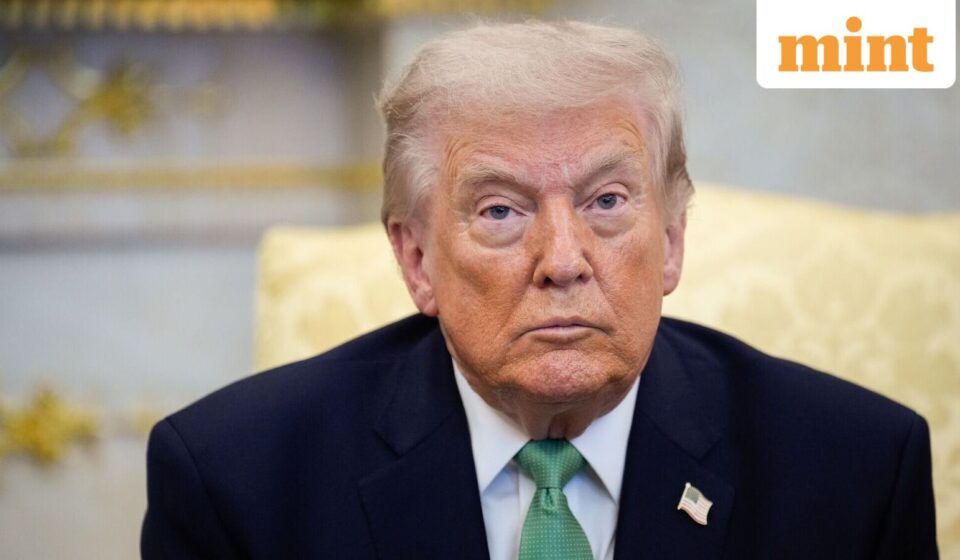

Since the onset of the recent Middle East conflict, which escalated following U.S. and Israeli military strikes in Iran on February 28, President Donald Trump has encountered significant challenges in rallying international support against Tehran. His overtures for collaboration have largely been met with refusals. Notably, Spain rejected Trump’s request to utilize its military bases for operations against Iran, alongside numerous allies expressing reluctance to commit naval forces to the strategically vital Strait of Hormuz.
Spain’s firm stance came as it condemned the U.S. and Israeli “unilateral military action” in Iran, asserting its bases would not be used for military strikes outside the scope of existing agreements or United Nations charters. Foreign Minister José Manuel Albares articulated Spain’s position, emphasizing, “The bases are not being used – nor will they be used – for anything that is not in the agreement with the U.S.” Frustrated by the rejection, Trump hinted at possible trade sanctions against Spain, stating, “We don’t want anything to do with Spain… I could… stop everything having to do with Spain.”
Despite claims from White House officials that Spain’s stance had shifted, Madrid firmly reiterated its position, emphasizing that the government’s approach to the conflict and base usage had remained unchanged. This snub is part of a broader pattern, as Trump has faced similar dismissals from NATO allies. Recently, he pressed several nations to contribute warships to help maintain open navigation in the Strait of Hormuz, which has become a focal point in the ongoing conflict due to Iranian provocations.
However, Trump’s calls for assistance received minimal support. The United Kingdom, previously America’s closest military ally in Europe, was quick to decline involvement, with opposition leader Keir Starmer asserting, “We will not be drawn into the wider war.” Germany, Spain, and Italy followed suit, rejecting the prospect of any military engagement in the Gulf. German Defense Minister Boris Pistorius emphasized, “This is not our war; we have not started it.” Italy’s Deputy Prime Minister, Matteo Salvini, articulated concerns that deploying naval forces to a conflict zone would imply entering a war.
Even nations like France, while open to eventual troop contributions, insisted that such actions would only be considered when conditions stabilize. German Chancellor Friedrich Merz noted NATO’s consultation failure, stating, “The United States did not consult us before this war, and so we believe this is not a matter for NATO or the German government.” Additional rejections came from countries like Greece and Luxembourg, while Australia, not part of NATO, also declined involvement.
With diplomatic efforts faltering, Trump expressed his frustration, reminding allies of the longstanding U.S. commitment to their defense. “For 40 years, we’re protecting you, and you don’t want to get involved,” he remarked, urging nations to respond enthusiastically and promptly to the situation. He further warned NATO that a lack of cooperation could jeopardize the alliance’s future, though he did not specify the potential consequences.
As international responses remain muted, the U.S. administration faces the daunting task of navigating an increasingly complex geopolitical landscape while attempting to forge a unified front against Iran.
Original Source: https://www.livemint.com/news/us-news/trump-faces-global-snub-amid-conflict-with-iran-spain-says-no-to-bases-allies-reject-hormuz-showdown-11773756234457.html
Category :
Tags:
Publish Date: 2026-03-17 22:48:00