
In a striking display of generosity, America’s top 50 philanthropists collectively donated an astounding $22.4 billion to charitable causes in 2025, according to the latest annual ranking by the Chronicle of Philanthropy. Leading this philanthropic charge for the third consecutive year is media mogul Michael Bloomberg, who contributed $4.3 billion toward the arts, public health, and various other initiatives.
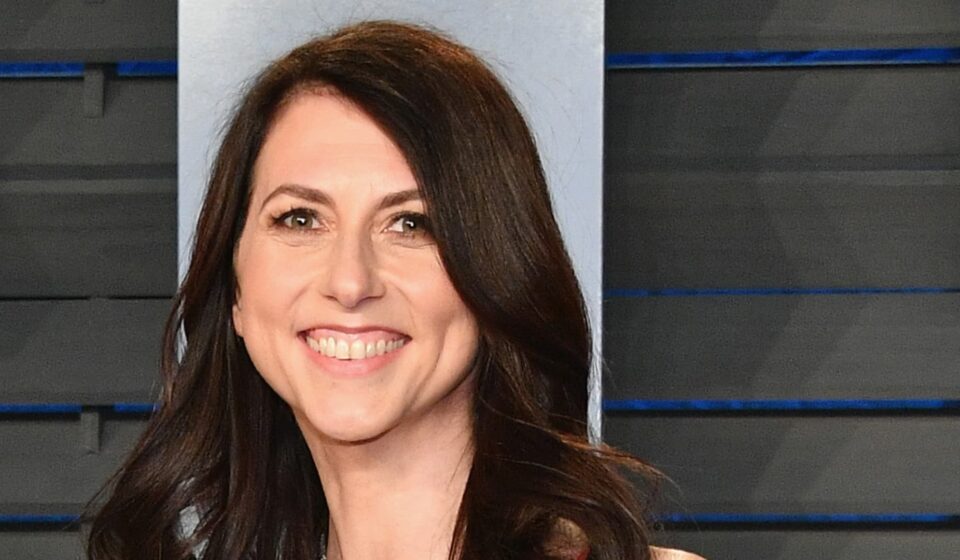
Notably absent from this year’s Philanthropy 50 list is billionaire philanthropist MacKenzie Scott. Although she recently revealed on her blog that she had given away nearly $7.2 billion to roughly 225 organizations over the past year, she was excluded from the ranking. Maria Di Mento, senior editor at the Chronicle, explained that Scott’s representatives did not confirm the amounts she contributed to her donor-advised funds (DAFs), which are popular avenues for charitable donations. The Philanthropy 50 only includes direct donations but excludes disbursements from DAFs to prevent double counting.
While Scott is known for her transparency in giving, Di Mento noted a growing trend of secrecy among wealthy donors. Many ultra-wealthy individuals are increasingly reluctant to disclose their charitable contributions due to intensified scrutiny and public resentment. “The desire for privacy has grown significantly in recent years,” Di Mento said, highlighting that the ultra-rich face more scrutiny than they once did. “Many philanthropists are concerned about being overwhelmed by nonprofits seeking funding once their names are publicly linked to a donation.”
This year, only 19 members of the Forbes 400, which ranks America’s richest individuals, made it onto the Philanthropy 50. High-profile names like Elon Musk and Larry Ellison, who topped the Forbes list last year, do not appear in the Chronicle’s ranking despite their billionaire status. Di Mento pointed out that the proportion of wealthy individuals featured has remained stable, even as wealth concentration has increased. “Many ultra-wealthy individuals may not be giving as much as they are capable of,” she remarked, while also acknowledging that there is no legal obligation for them to disclose their charitable activities.
Complicating matters, the Chronicle often requires cooperation from billionaires to verify their donations, which isn’t always forthcoming. For instance, Musk indicated in a regulatory filing that he donated approximately 210,000 shares of Tesla worth nearly $100 million to unspecified charities. However, without knowing the exact recipients or their associations, the Chronicle could not count this donation toward their rankings. Similarly, while Ellison has appeared on the list previously, he has not collaborated with the Chronicle in recent years. The Oracle co-founder had pledged in 2010 to donate at least 95% of his wealth but recently shifted his focus to technology research rather than conventional philanthropic avenues, leaving questions about his current giving.
These insights into the evolving landscape of philanthropy reveal a complex interplay between wealth, transparency, and societal expectations. As wealthy individuals navigate scrutiny and the challenges of public engagement, the future of charitable giving will likely continue to shift in response to these dynamics.
By offering a glimpse into the current state of philanthropy among America’s wealthiest, the Chronicle of Philanthropy underscores both the extraordinary generosity of some and the hidden philanthropic efforts of others, contributing to a nuanced narrative in the world of charitable giving.
Original Source: https://www.cnbc.com/2026/03/13/philanthropy-charity-wealthy.html
Category :
Tags:
Publish Date: 2026-03-13 17:23:00