
When Pakistan signed a Strategic Mutual Defence Agreement (SMDA) with Saudi Arabia in September, Islamabad expected financial aid and a boost in regional influence. Instead, the pact has placed Pakistan in a fraught strategic bind: Riyadh now expects security support that could draw Pakistan into a wider Gulf confrontation with Iran — a commitment Islamabad is deeply reluctant to honour given its domestic and regional constraints.
The SMDA was sold at home as recognition of Pakistan’s military value and, at times, framed as a response to threats from Israel and other actors. But as Saudi–Iran ties fluctuated and Iran began striking Gulf targets with missiles and drones, Pakistan found itself squeezed between US‑Israeli military moves on one side and Iranian operations on the other. Islamabad says it has signalled to Tehran that it does not want to be forced into open conflict on Saudi Arabia’s behalf, and Pakistan’s foreign minister has argued Tehran avoided direct strikes on Saudi soil at least partly because it feared Pakistan’s intervention.
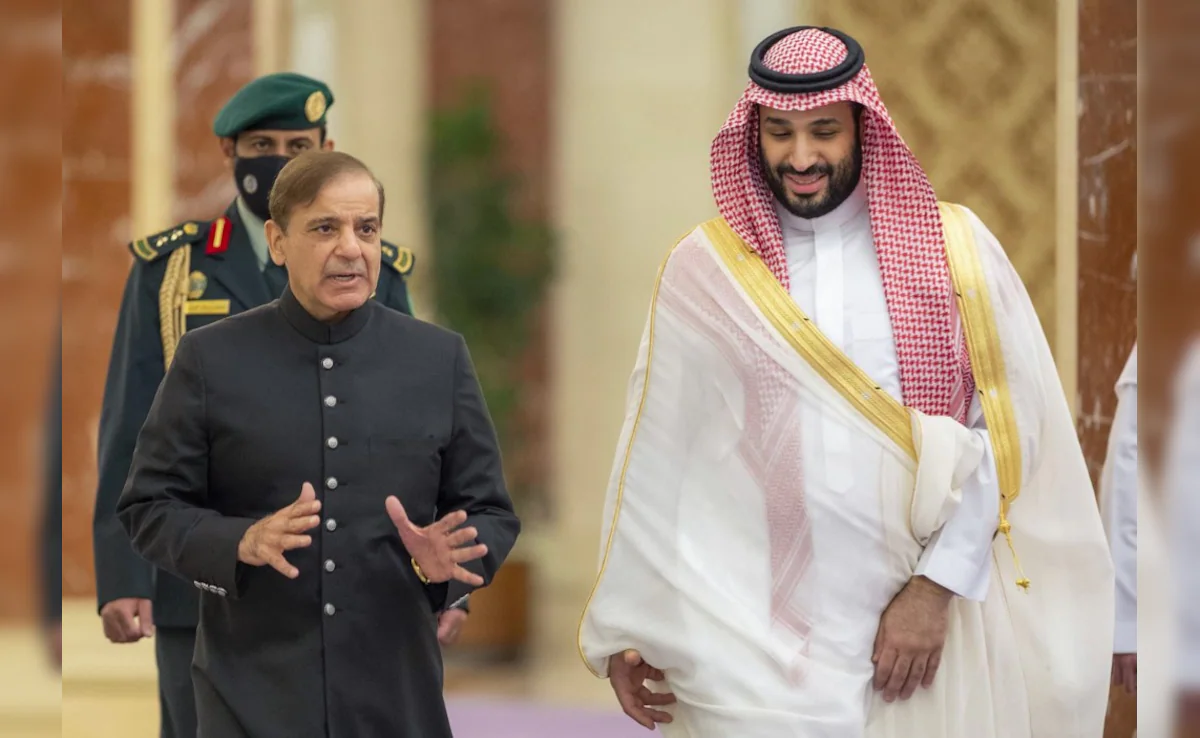
That diplomatic cover has limits. Arab states, including Saudi Arabia, have mostly confined their responses to defensive measures rather than full-scale retaliation, partly because of the vulnerability of critical infrastructure. Saudi leaders have expected Pakistan to be ready to reciprocate under the SMDA; Islamabad insists the pact is defensive, not a licence to open a new front. Still, Saudi impatience appears real: Prime Minister Shehbaz Sharif reportedly travelled to Saudi Arabia after being summoned by Crown Prince Mohammed bin Salman, where reports suggest Riyadh pressed for firmer Pakistani action.
Pakistan’s reluctance is rooted in immediate realities. The country is coping with two active insurgencies in Balochistan and Khyber‑Pakhtunkhwa, an undeclared conflict along the Afghan frontier, sectarian unrest tied to tensions with Iran, a fragile economy and persistent political instability. Military leaders and analysts warn that deploying forces against Iran would carry heavy political and security costs at home. Unconfirmed reports of troop movements toward Iran have circulated, but Pakistan has not publicly committed ground forces.
International diplomacy offers Islamabad a degree of latitude. A United Nations Security Council resolution on Iran, moved by Bahrain and reportedly co‑sponsored by many states including Pakistan, has been used in Pakistani narratives as a shared international stance. Islamabad also points to China and Russia’s positions — abstentions rather than vetoes — as part of the global context shaping its decisions.
Iran’s strategy of using relatively low‑cost strikes to raise the political and economic costs for Gulf states and their backers has widened the conflict and isolated Tehran diplomatically, the argument goes. For Pakistan, the central calculation remains risk versus reward: joining a Saudi push against Iran might bring financial relief but risks deeper instability and higher long‑term costs for national security and politics. The author is a senior fellow at ORF; these are his personal opinions.
Original Source: https://www.ndtv.com/opinion/iran-israel-war-inside-pakistans-dilemma-over-joining-saudi-arabia-against-iran-11210490#publisher=newsstand
Category:
Tags:
Publish Date: 2026-03-13 16:46:00