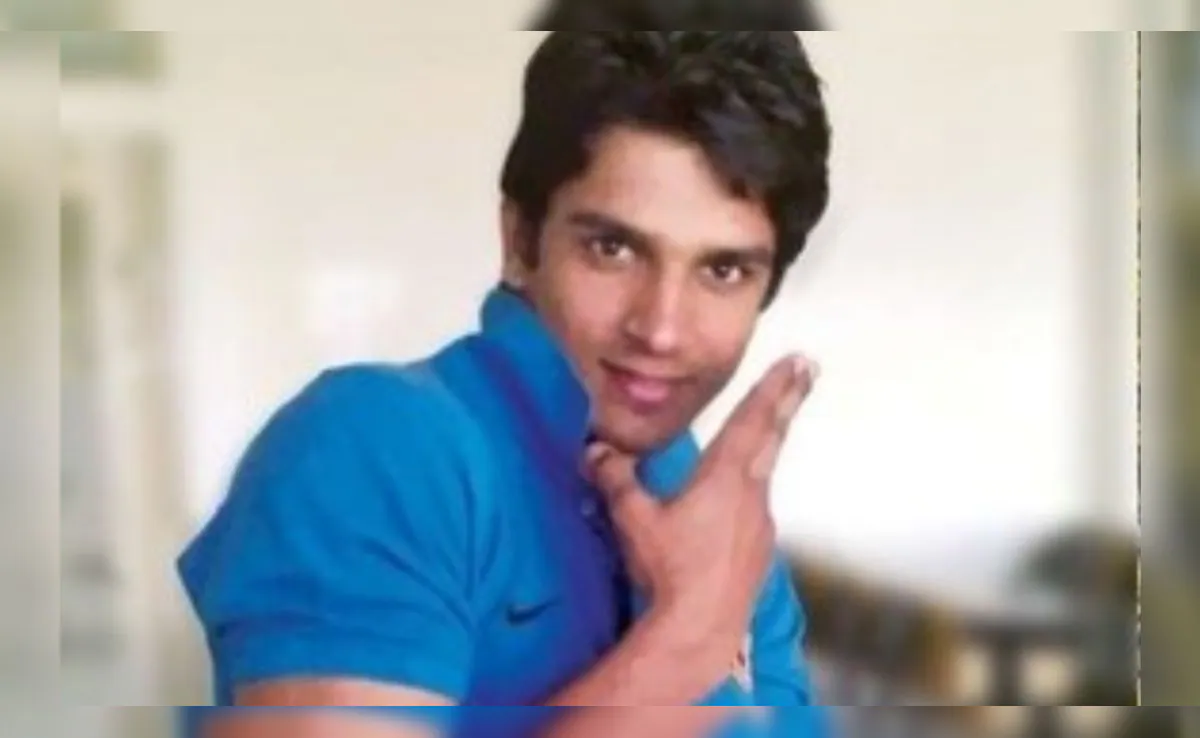

New Delhi — The Supreme Court on March 11, 2026 allowed the withdrawal of life support for 31-year-old Harish Rana, who has been in a persistent vegetative state since a 2013 accident, after his elderly parents petitioned for the move. The bench also urged the Centre to consider legislating on passive euthanasia — currently permitted in India only after the Supreme Court examines the opinions of two medical boards on a patient’s condition.
Harish, then a 20‑year‑old Panjab University student, fell from the fourth floor of a paying‑guest accommodation in 2013 and sustained severe brain injuries. He was placed on life support and has since been bed‑bound with a tracheostomy tube for breathing and a gastrojejunostomy tube for feeding. The court noted medical reports show no improvement in the 13 years since the injury; he maintains a sleep‑wake cycle and remains fully dependent on others.
A bench comprising Justice JB Pardiwala and Justice KV Viswanathan framed the decision around choice and dignity. Quoting US minister Henry Ward Beecher — “Gods ask no man if he accepts life, you must take it” — and Shakespeare’s “To be or not to be,” Justice Pardiwala said such questions shape the modern “right to die” debate. The court added that withdrawal of life support must meet two tests: the intervention must qualify as medical treatment, and its cessation must be in the patient’s best interests.
The court directed All India Institute of Medical Sciences (AIIMS) to admit Harish to palliative care so that medical treatment can be withdrawn according to a tailored plan that preserves dignity. The judges observed that while a doctor’s duty is to treat, “that duty no longer sustains when the patient has no hope of recovery.”
The verdict acknowledged the long sacrifice of Harish’s family, saying his parents “never left his side” and noting the moral complexity of decisions involving love, life and loss. For legal context, the court referenced the 2011 Aruna Shanbaug judgment, which allowed passive euthanasia in exceptional cases; Shanbaug remained in a vegetative state for decades after an assault and died of pneumonia in 2015 after the court had earlier rejected a separate plea because hospital staff wished her to live.
Passive euthanasia, broadly understood as the withdrawal or withholding of life‑sustaining treatment to allow death, remains tightly regulated under current Indian law and judicial precedent; the Supreme Court’s order in Harish Rana’s case underscores calls for clearer statutory guidance.
Original Source: https://www.ndtv.com/india-news/harish-rana-euthanasia-supreme-court-allows-passive-euthanasia-for-ghaziabad-man-in-vegetative-state-for-13-years-11198619#publisher=newsstand
Category:
Tags:
Publish Date: 2026-03-11 16:20:00