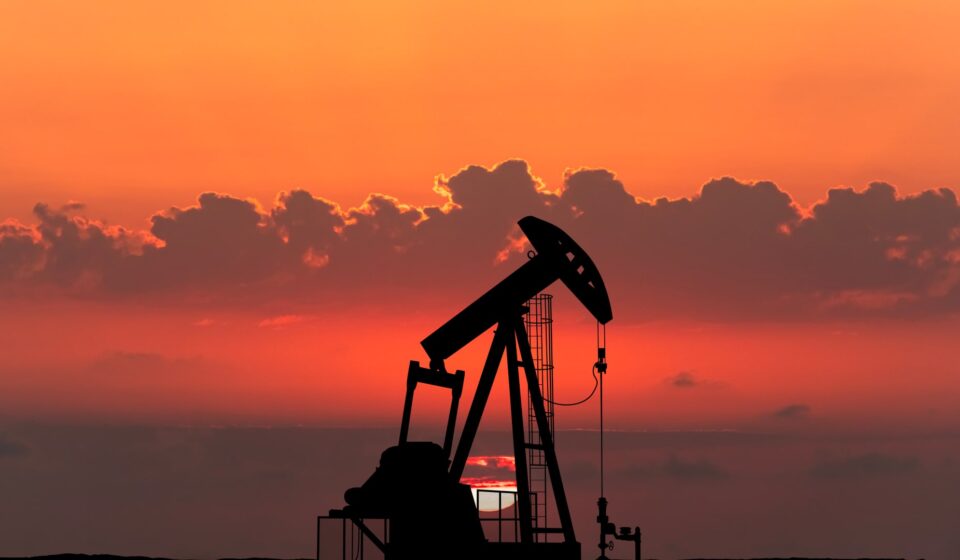

Oil prices experienced a dramatic surge of approximately 20% on Monday due to escalating tensions in the U.S.-Israeli war against Iran, raising concerns over potential long-term disruptions in energy supplies. However, the market saw a significant pullback on Tuesday, as prices plummeted nearly 10% before stabilizing. By late Monday evening, Brent crude had decreased around 4.3%, landing at $94.62 per barrel, while U.S. crude dropped 3.8% to approximately $91.
This fluctuation followed President Donald Trump’s earlier remarks suggesting that the conflict with Iran might soon come to a close, which had initially contributed to the downturn in oil prices. Nonetheless, Trump later issued a stark warning: if Iran attempted to obstruct oil movement through the critical Strait of Hormuz, it would face U.S. retaliation “twenty times harder.” He emphasized in a post on Truth Social that any disruption to oil flows would be met with severe consequences.
The Strait of Hormuz is a pivotal artery for global energy supplies, with around 13 million barrels flowing through it daily, representing about 31% of global maritime oil trade. This strategic passage connects major Gulf oil producers-such as Saudi Arabia, Iran, Iraq, and the UAE-to the wider world. Trump further criticized the current situation, remarking that it could serve as a “gift” to China and other nations reliant on the Strait.
Iran, for its part, cautioned oil tanker operators to exercise caution when navigating the Strait, indicating a precarious situation for shipping traffic in this crucial region. Trump reiterated in an interview with CBS that vessels continue to traverse the Strait, even voicing contemplation of U.S. intervention if necessary. He assured the public that the conflict with Iran would reach a resolution soon, accompanied by a drop in oil prices.
Market analysts noted that Trump’s comments had somewhat alleviated fears of an energy supply shock, leading to a drop in oil prices, described by Rapidan Energy Group’s president Bob McNally as a result of “verbal intervention from the President.” Nonetheless, he warned that traders are still grappling with the unprecedented reality of the Strait being threatened, stressing that even during past tensions, such as the 1980s, the waterway was never fully closed.
While optimism in the market has risen, industry experts like Andy Lipow of Lipow Oil Associates urged caution, indicating that the next steps from Iran will be critical. “It’s too early to draw concrete conclusions,” Lipow stated, emphasizing the need to monitor Iran’s decisions regarding oil infrastructure.
Amidst these developments, energy ministers from the G7 nations are scheduled to convene virtually to discuss potential emergency oil reserves releases aimed at mitigating disruptions caused by the conflict. This follows a recent G7 finance ministers meeting, where the possibility of tapping strategic reserves was explored, although no definitive action was decided. Sources indicate there is momentum towards a collective release of approximately 300 million to 400 million barrels, which would represent 25% to 30% of the G7’s combined reserves.
International Energy Agency Executive Director Fatih Birol confirmed his participation in discussions surrounding the global economic outlook, stressing the ongoing dialogue with energy ministers worldwide. As talks progress, the global oil market remains on high alert, navigating the uncertainty looming over this vital conduit for energy supply.
Original Source: https://www.cnbc.com/2026/03/10/crude-oil-prices-today-iran-war.html
Category :
Tags:
Publish Date: 2026-03-10 11:55:00