
We celebrate smart gadgets for their convenience, but too often we mistake product showmanship for product strategy. A glossy spec sheet-triple motors, 180-minute runtime, app-controlled cleaning modes-doesn’t tell you whether a device will truly reduce operational friction at scale. What matters for me as an architect is how those engineering choices translate into long-term reliability, serviceability, and business model resilience.
The signal: I recently read a detailed review of a new cordless robotic pool cleaner that highlights three clear strengths-powerful motorized suction, dual-stage filtration, and OTA-enabled app control-plus user-centric features such as edge retrieval and automated parking. Those are useful advances for consumers. But as enterprises, platform builders, or product-led startups, we should be asking a different set of questions.
What this product illustrates about the future of consumer robotics (and what it should teach product and platform leaders)
1) Hardware specs are only the opening act. The real value is the system lifecycle.
A stronger motor and better filters solve immediate cleaning problems. But the hard architecture question is: how will that device stay reliable over years? Batteries degrade, moving parts wear, and environmental exposure (chlorinated water, UV) accelerates failure modes. For any organization building or procuring smart hardware, total cost of ownership must include spare-parts strategy, predictable maintenance intervals, and reverse logistics. Otherwise you trade a short-term delight for long-term service headaches.
2) OTA and app control are strategic capabilities – and strategic liabilities.
Remote updates let you improve algorithms post‑shipment, but they require a secure update pipeline, rollback capability, and transparent changelogs. From a platform perspective, design OTA as a transaction: authenticated updates, cryptographic signing, staged rollouts, and offline-safe firmware that can recover from interrupted updates. Operationally, collect diagnostic telemetry (with strong privacy controls) so field issues can be resolved before they become widespread recalls.
3) UX wins come from reducing non-technical friction.
Features like “edge retrieval” and auto-parking may sound minor, but they remove the single most common reason users abandon smart devices: the painful, manual intervention. Products that minimize human toil create stickiness. Translate this insight into enterprise software: can you automate the dreaded manual steps in your customer journey rather than just adding new dashboards?
4) Trade-offs: power vs. runtime vs. sustainability.
High suction needs power. Longer runtime increases battery size and cost. Bigger batteries increase environmental impact. That trade-off surfaces an important strategic decision-optimize for peak performance or for sustainable, maintainable service? For businesses, this is the classic speed-vs-debt problem: push for impressive specs now and accrue operational debt, or choose a balanced spec that scales with service capacity.
Practical checklist for CTOs, product leads, and founders evaluating similar IoT devices
– Validate the update story: Is firmware signed? Are rollbacks supported? How are OTA failures handled?
– Insist on telemetry for diagnostics, not surveillance; define retention and access policies.
– Quantify MTTR (mean time to repair) for wear components and ensure spare parts & local service partners exist.
– Model battery replacement costs and end-of-life disposal in the product economics.
– Consider business-model options: one-time sale vs. HaaS/subscription for premium updates and remote diagnostics.
A brief Bharat note: India’s smart-home adoption is accelerating, but connectivity and local service networks remain uneven-especially in far‑flung regions. For devices sold here, offline-first control, robust local recovery modes, and an accessible service footprint matter as much as the headline specs.
Takeaways
– Specs get attention; lifecycle design earns trust.
– Secure, resilient OTA is a competitive moat, not a checkbox.
– UX that reduces manual rescue is the fastest route to retention.
– Design product economics around maintenance, not just acquisition.
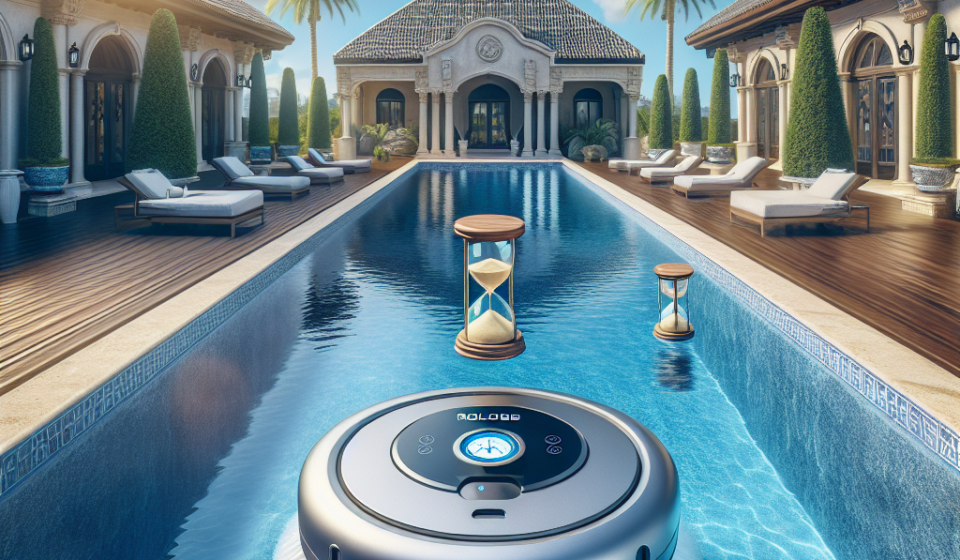
The tiny robot cleaning a pool is a lesson in system thinking: meaningful automation is not just about replacing elbow grease, it’s about designing every layer-mechanical, electrical, software, and service-to endure.
About the Author
Sanjeev Sarma is the Founder Director of Webx Technologies Private Limited, a leading Technology Consulting firm with over two decades of experience. A seasoned technology strategist and Chief Software Architect, he specializes in Enterprise Software Architecture, Cloud-Native Applications, AI-Driven Platforms, and Mobile-First Solutions. Recognized as a “Technology Hero” by Microsoft for his pioneering work in e-Governance, Sanjeev actively advises state and central technology committees, including the Advisory Board for Software Technology Parks of India (STPI) across multiple Northeast Indian states. He is also the Managing Editor for Mahabahu.com, an international journal. Passionate about fostering innovation, he actively mentors aspiring entrepreneurs and leads transformative digital solutions for enterprises and government sectors from his base in Northeast India.