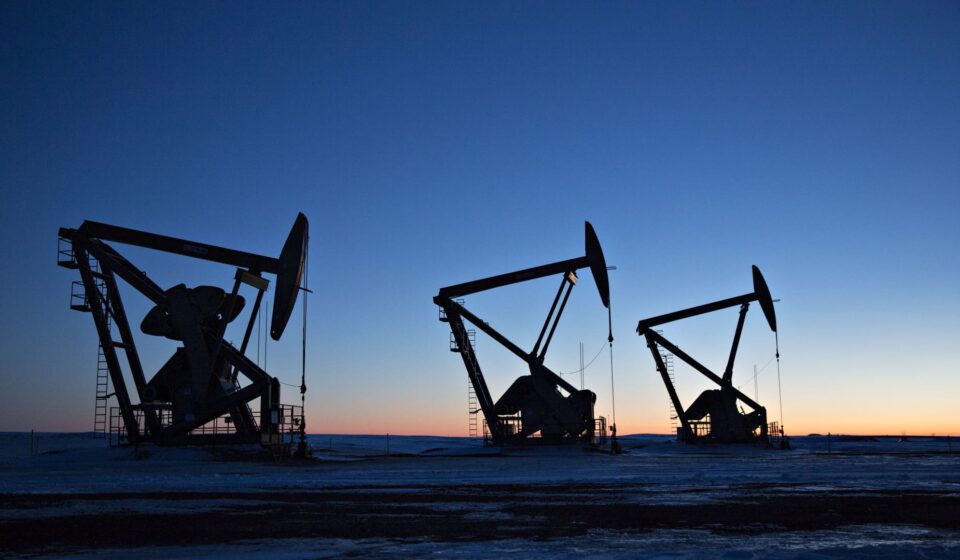

Oil prices soared to their highest levels in months on Monday, driven by escalating tensions between Iran and Israel that have disrupted shipments in the Middle East. As investors grapplied with the implications of the evolving U.S.-Iran conflict on global energy markets, Brent crude futures climbed 2.2% to $87.27 a barrel early Tuesday, marking a new 52-week high. Meanwhile, U.S. West Texas Intermediate (WTI) crude futures surged 3.8% to reach $84.08, reflecting strong market reactions.
This price spike aligns with expectations for the most significant weekly gain since Russia’s full-scale invasion of Ukraine in early 2022. The ongoing conflict has severely impacted energy production, particularly affecting the critical shipping lane of the Strait of Hormuz. Reports indicate that Qatar’s energy minister has warned that Gulf energy exporters could halt shipments entirely within days if the situation deteriorates. Saad al-Kaabi noted that crude prices could surge to $150 a barrel if oil tankers are unable to navigate the strait.
Market fluctuations were influenced by a brief dip in prices following an announcement from the U.S. granting India-a major oil importer-a 30-day waiver to resume purchasing Russian oil. Previously, the U.S. had imposed 25% tariffs on India for buying Russian crude, which were lifted last month. Adding to the complexity, a Reuters report revealed that the U.S. Treasury is preparing measures to curb energy price spikes, including possible interventions in the oil futures market.
The rise in oil prices is impacting consumers at the pump as well. The average price for a gallon of regular gasoline increased by nearly 27 cents over the past week, reaching $3.25, according to data from AAA. The U.S.-Iran conflict, now entering its seventh day, has underscored the escalating military engagement, with U.S. Defense Secretary Pete Hegseth asserting on Thursday that the U.S. is “only just beginning to fight.” He emphasized that Iran has miscalculated the U.S. resolve, stating, “There’s no shortage of American will here… the combat power still coming to bear is multiples of what it currently is.”
Interestingly, some economists suggest that rising energy costs might not necessarily lead to increasing inflation in the U.S. Atakan Bakiskan, chief U.S. economist at Berenberg, posits that while higher energy prices can increase headline inflation, they also diminish consumer purchasing power and sentiment. This reduction in purchasing potential could, in theory, lead to a decrease in core inflation. “Consumers may cut demand for other goods to cover higher gasoline prices,” Bakiskan explained, suggesting a complex relationship between energy prices and overall economic indicators.
As the situation develops, market analysts and consumers alike will be closely monitoring oil prices. Unforeseen disruptions in global energy supply chains may reverberate through economies around the world, posing challenges for both industry leaders and policymakers.
With tensions remaining high and implications for energy markets far-reaching, the coming days and weeks are set to be pivotal in determining both oil price trends and the broader economic landscape.
Original Source: https://www.cnbc.com/2026/03/06/iran-us-war-oil-prices-brent-wti-barrel-futures.html
Category :
Tags:
Publish Date: 2026-03-06 16:47:00