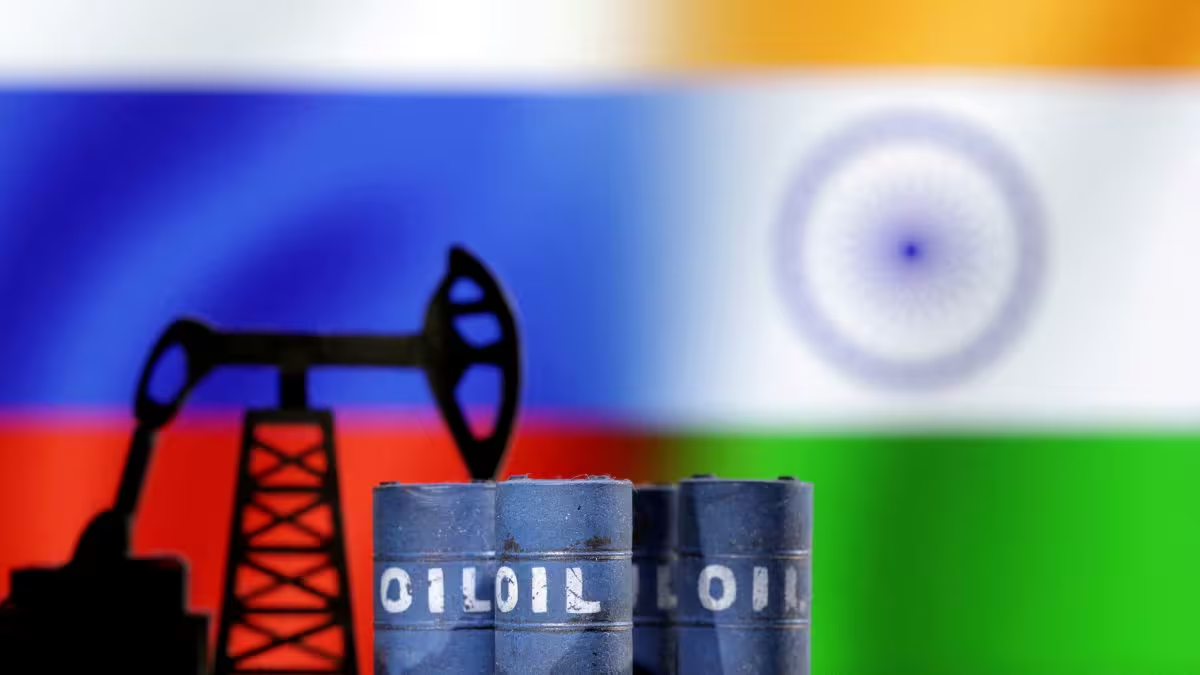

India is drawing up a multi-pronged contingency plan to protect domestic fuel supplies as rising tensions in West Asia threaten tanker traffic through the Strait of Hormuz, a vital route for the country’s oil and gas imports. Officials say the measures under consideration include curbing petrol and diesel exports, boosting crude purchases from Russia and, if disruptions persist for weeks, introducing targeted demand controls such as liquefied petroleum gas (LPG) rationing.
Global energy markets have already reacted to the widening hostilities. Brent crude has climbed toward USD 80 a barrel after an almost 10% jump, while European natural gas prices have surged more than 40% amid worries about damage to energy infrastructure in Saudi Arabia and Qatar. Sparse tanker movement through the Strait of Hormuz for a second consecutive day has sharpened supply fears.
India’s most immediate vulnerability is LPG. The country imports nearly two-thirds of its LPG consumption, with roughly 85–90% supplied from the Gulf. Industry estimates cited by officials indicate that existing onshore stocks and cargoes already past Hormuz would cover under two weeks of demand if fresh shipments are halted. State-run refiners Indian Oil, Hindustan Petroleum and Bharat Petroleum have begun boosting LPG output at integrated complexes to soften any shortfall.
Officials are also assessing targeted rationing for households with access to alternative cooking fuels, particularly in rural areas, should the crisis extend beyond weeks.
On the supply side, authorities are weighing export restrictions to prioritise domestic needs. India currently exports about one-third of its petrol, roughly a quarter of diesel and nearly half of aviation turbine fuel (ATF); refiners could also reroute surplus ATF into other product streams. Strategic buffers stand at about 17–18 days of crude, 20–21 days of petrol and diesel, and 10–12 days of LNG — levels that would steadily erode without new arrivals via Hormuz. The Gulf supplies nearly half of India’s crude and LNG imports, underscoring the waterway’s strategic importance.
Increasing purchases of Russian crude is seen as a fallback, with significant volumes available on global markets and potentially redirectable to Indian refiners. Some sources suggest the United States might show greater flexibility on such purchases if market stability becomes a priority and prices spike.
Oil Minister Hardeep Singh Puri has said the government is continuously monitoring developments and will take necessary steps to ensure the availability and affordability of petroleum products. Short disruptions may be managed by inventories and rerouting; prolonged instability, however, could test India’s energy-security architecture and raise the import bill amid heightened geopolitical risk.
Original Source: https://www.firstpost.com/business/india-readies-fuel-emergency-plan-as-iran-war-puts-oil-gas-supply-chain-at-risk-13985843.html
Category: India
Tags:
Publish Date: 2026-03-03 15:29:00