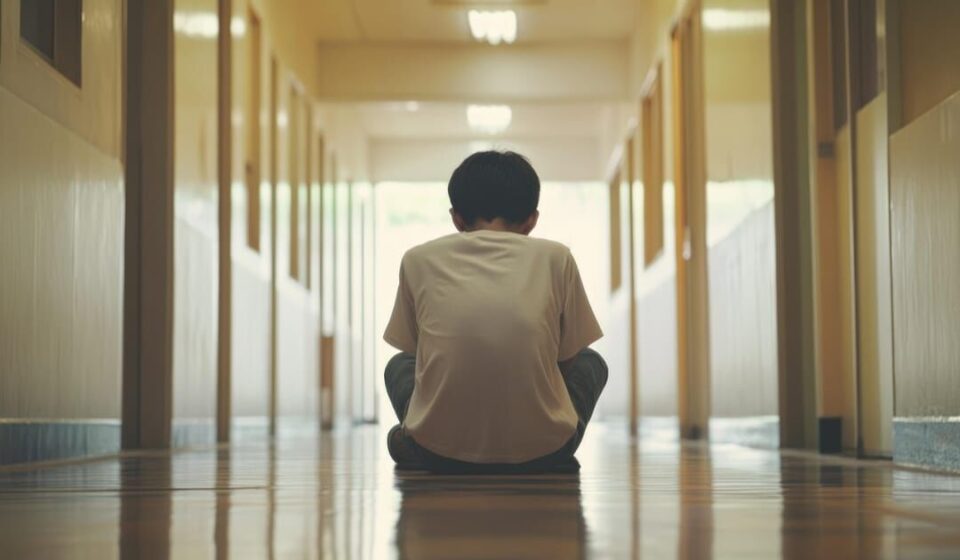

Bullying is emerging as a serious problem across Guwahati schools after recent incidents in Hatigaon and Silpukhuri exposed a wider pattern of verbal and physical harassment. In one case a Class 6 student who faced repeated verbal abuse was pushed during an altercation and injured; in another, sustained verbal and physical aggression only stopped after school intervention and counselling. From social exclusion in playgrounds to online humiliation, school staff warn the damage to children’s mental health is growing.
School leaders say the behaviour often springs from deeper psychological and social triggers rather than simple mischief. Alex Mathew, principal of Don Bosco School, compared some bullying to territorial instincts and said most cases begin in adolescence. “Typically, two or three cases arise each month,” he said, adding that many incidents start around Class 8. Mathew described the usual school response: observe emerging patterns, inform parents and provide counselling for both the child and the family.
Teachers report bullying reflects broader social attitudes children absorb from media and peers. “Bullying has become a common problem,” said primary teacher Ankita Kalita, who sees students imitating behaviours they encounter on social media and television. Kalita said vulnerable pupils-those who are shy, have different appearances, darker skin, or lower family income-are more likely to be targeted.
Psychologists warn the visible harm is often only part of the story. Loya Agarwalla said emotional damage-withdrawal, anxiety, falling grades and avoidance of school-can be deeper and longer lasting than physical bruises. Early intervention is crucial, she added: “Bullying rarely begins with extreme aggression,” meaning small incidents can escalate if left unchecked.
Agarwalla stressed three defining features of bullying: a deliberate intent to harm, repetition over time, and a clear power imbalance between aggressor and victim. She outlined the main forms-physical contact, verbal taunts and name-calling, social exclusion, and cyberbullying such as trolling, online shaming and sharing private content-and warned that emotional harm is the common outcome across types.
Senior school psychologist Alphee Fahmeed Rahman said signs can appear as early as Class 5 when some students begin asserting dominance. She called adolescence, roughly ages 10–14, a critical phase in which identity struggles and peer validation raise the risk of both perpetration and victimisation. Regular awareness programmes and counselling can help, she said.
Schools are adopting a mix of measures: surveillance of common areas, teacher supervision during breaks, mental health workshops, peer support systems, anonymous reporting channels and staff training. Experts advise involving parents in counselling, providing structured support for children with special needs, and addressing suspected bullies discreetly so victims are protected. Teachers like Kalita emphasise empathy, encouragement and rewarding kind behaviour to shift culture.
Administrators and mental-health professionals agree change requires a sustained cultural shift in schools and homes-one where empathy replaces fear and every child feels seen and safe.
Original Source: https://assamtribune.com/guwahati/silent-scars-inside-guwahati-schools-growing-bullying-crisis-1608969
Category: Guwahati,Featured,More
Tags:
Publish Date: 2026-03-01 20:43:00