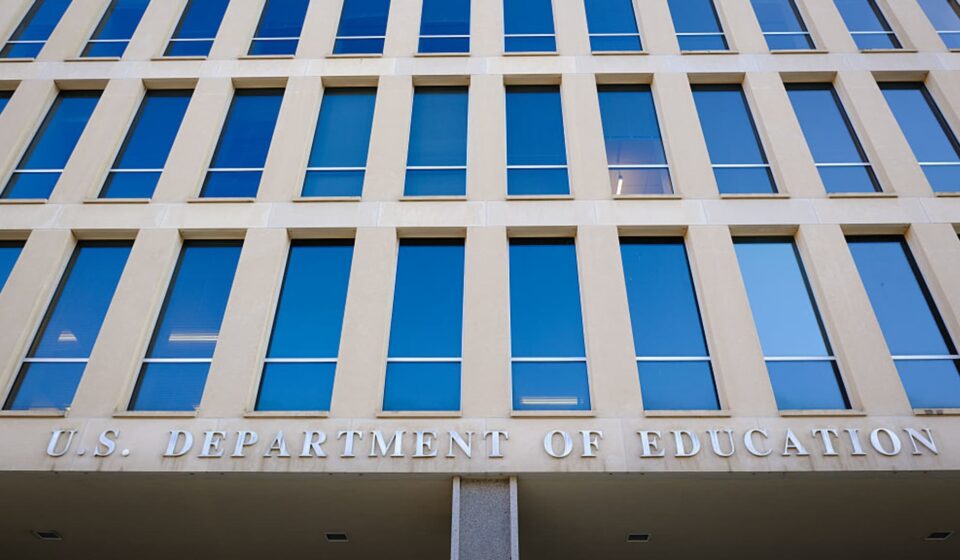

A federal court has dismissed the Trump administration’s attempt to dismantle a federal student loan repayment initiative known as the Saving on a Valuable Education (SAVE) plan. Judge John Ross of the U.S. District Court for the Eastern District of Missouri issued the ruling, providing a significant victory for millions of borrowers who stand to benefit from the program, which offers reduced monthly payments and a streamlined path to loan forgiveness.
Consumer advocates celebrated the decision, noting that it removes legal hurdles preventing borrowers from accessing the SAVE plan’s advantages. Winston Berkman-Breen, legal director at Protect Borrowers, stated, “As of today, not only is there no legal barrier to delivering those rights through the SAVE plan, but the secretary has a legal obligation to do so.” The U.S. Department of Education did not respond to requests for comment following the ruling.
Currently, over 7 million student loan borrowers are enrolled in the SAVE plan. During the recent legal battles, these borrowers were placed in forbearance, meaning they did not have to make monthly payments; however, interest on their loans has been accruing since August. While this court decision offers a temporary relief, the future of the SAVE plan remains uncertain as the Trump administration may pursue further actions. According to the proposed “big beautiful bill,” this repayment plan is set to phase out by July 1, 2028.
Introduced in 2023 by the Biden administration, the SAVE plan was marketed as the “most affordable repayment plan ever created.” Just as its benefits began to take effect, GOP-led legal challenges stalled its implementation. One of the key features of SAVE is its expedited timeline for forgiveness compared to traditional income-driven repayment (IDR) plans, which typically require 20 to 25 years for forgiveness. Under the SAVE plan, borrowers who originally took loans of $12,000 or less are eligible for forgiveness after just 10 years of payments. For those with higher loan amounts, the repayment period extends by one year for every additional $1,000 borrowed-capping at 20 years for undergraduate loans and 25 years for graduate loans.
For instance, an undergraduate borrower starting with a $15,000 balance would need to make payments for 13 years under the SAVE plan to qualify for forgiveness. Additionally, the SAVE plan promises lower monthly payments, initially capped at 10% of discretionary income, with plans to reduce this to 5% in 2024. Borrowers making at or below the federal poverty line could qualify for $0 monthly payments, making repayment even more manageable.
Another significant aspect of the SAVE plan is its cap on interest. Any interest that accumulates above what borrowers are required to pay monthly is waived. For example, if a borrower accrues $50 in interest in a month but only pays $30, they wouldn’t face additional charges for the leftover $20. Borrowers with $0 monthly payments benefit from not incurring additional interest on their debts.
As the legal landscape evolves, the future of the SAVE plan hangs in the balance, but for now, millions of borrowers can take a breath of relief, knowing that they have access to financial benefits that can ease their repayment journeys.
Original Source: https://www.cnbc.com/2026/02/27/judge-dismisses-trump-officials-bid-to-end-save-plan.html
Category :
Tags:
Publish Date: 2026-02-28 04:51:00