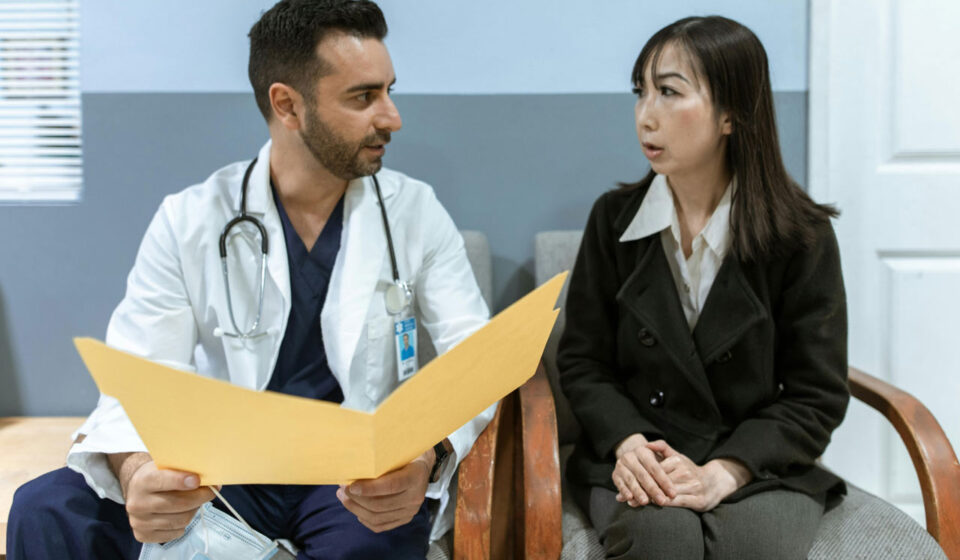
Unlocking Safety: The Crucial Role of Family History in Revealing Hidden Genetic Risks for Anesthesia

A Hyderabad-based anesthesiologist, Dr. Karthik Deegutla, is emphasizing the critical need for patients to share their family medical history before undergoing surgery. He recently recounted a concerning case involving a 22-year-old patient who experienced Malignant Hyperthermia (MH), a rare and severe genetic response to anesthesia, during what was supposed to be a routine procedure.
In a world where we often hear tragic stories about individuals suddenly succumbing on the operating table, many such incidents could be averted if families disclosed pertinent medical information. Dr. Deegutla, who is also popular on social media for his platform Anesthesia Notes, asserts, “Anesthesia is incredibly safe in 2026. But it is as safe as the history that the relatives of the patients share with the doctors. If a relative died on the operating table even 40 years ago, tell your anesthesiologists. A simple genetic test or a TIVA (total intravenous anesthesia) approach can save the life of the patient.”
Dr. Deegutla’s insights emerged from a recent experience where he administered anesthesia to a seemingly healthy 22-year-old. Shortly after the anesthesia was administered, the patient’s condition deteriorated dramatically. He became hyperthermic, with his heart rate surging to 150 beats per minute and muscle rigidity setting in. “This was not an infection. This was a metabolic storm, a rare genetic mutation where anesthesia gases cause the muscles to dump calcium, producing excessive heat, acid, and potassium-enough to trigger cardiac arrest within minutes,” explained Dr. Deegutla.
Recognizing the signs of MH, the surgical team quickly removed the anesthesia equipment and provided 100% oxygen alongside ice packs to help cool the patient. However, the situation called for an emergency administration of Dantrolene, the key medication to counteract the effects of this dangerous condition. Fortunately, the medical team was able to secure the drug in time, ultimately reviving the patient.
In a post-surgery conversation, the patient’s family disclosed a crucial detail: an uncle had passed away during minor surgery in the 1990s. “Sometimes sharing family history becomes incredibly important. If a risk is identified, then doctors can switch to TIVA, which bypasses the ‘trigger’ gases. Using IV medications keeps patients safe,” Dr. Deegutla stressed.
This case serves as a crucial reminder of the necessity for patients and their families to communicate openly about any relevant medical history. Knowledge of familial predispositions to conditions like Malignant Hyperthermia can significantly influence medical decisions and enhance patient safety.
As the landscape of anesthesia evolves, understanding its risks and the importance of comprehensive health disclosures is essential. Dr. Deegutla’s advocacy highlights a simple yet vital step that can make a significant difference for patients undergoing surgery-ensuring doctors are fully informed about their medical backgrounds.
By prioritizing communication, patients can help reduce the risks associated with anesthesia, ultimately saving lives and fostering a safer surgical environment. Dr. Deegutla’s call to action underscores the pivotal role that family medical history plays in surgical safety and patient care.
Tags: Malignant Hyperthermia, Anesthesia Safety, Family Medical History, Surgical Risks, Patient Care.
Original Source: https://telanganatoday.com/hidden-genetic-risks-why-family-history-is-vital-for-safe-anesthesia
Category :
Tags:
Publish Date: 2026-02-24 15:09:00