
Ten years from now, the question won’t be whether a piece of intellectual property exists – it will be how many formats it lives in.
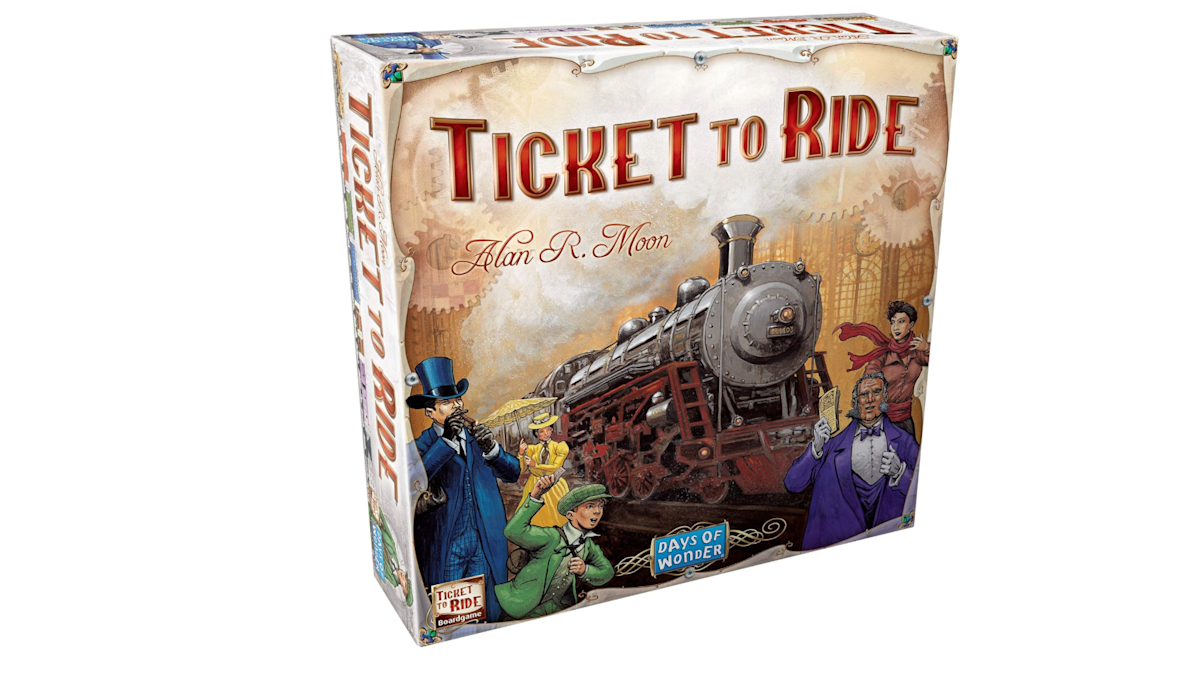
Context: Netflix’s recent push to buy board‑game IP (Ticket to Ride from Asmodee, and earlier moves around Monopoly) is not a quirky pivot – it’s a deliberate strategy to turn proven play experiences into multi‑format franchises across film, TV and interactive shows.
Why this matters strategically
What looks like a content deal is actually a lessons‑learned playbook about the architecture of modern IP. Board games bring three valuable attributes to a studio or platform: proven mechanics (engagement), a loyal community (built‑in audience), and modular narrative scaffolding (rules, maps, characters) that can be repackaged into multiple formats. From an enterprise‑architecture perspective, that combination is gold: lower audience risk, higher reuse potential, and clearer telemetry signals once you launch.
But turning a tabletop classic into a lasting cross‑media franchise exposes important trade‑offs that matter to CTOs, product leaders and founders:
– Speed vs. Stewardship: Licensing a known brand accelerates go‑to‑market but can create creative debt if adaptations dilute the core experience. Maintaining fidelity to what engaged players matters requires governance and quality checkpoints.
– Platform Dependence vs. Ecosystem Ownership: Streaming platforms offer reach, but IP owners must decide whether to monetize directly (retain control, higher margin) or partner for scale (smaller cut, faster distribution).
– Single Product vs. Multi‑Modal Architecture: Producing a film, a reality game show, and an in‑app experience demands an API‑first content architecture that treats assets (artwork, rules, character bios, music) as reusable services rather than one‑off files.
Practical implications for technology and product teams
For organisations that manage IP – whether a media house, game studio, or even an enterprise with a content catalog – these adaptations require operational and technical investments:
– IP as Data: Build a canonical metadata store for every IP element (licensing terms, territory, expiration, allowed formats, creator credits). Treat rights and obligations as first‑class data that feeds publishing pipelines.
– Modular Content Pipelines: Implement microservices for media rendering, localization, rights checks, and versioning so a single asset can be repurposed safely across a film, show, or interactive format.
– Observability & Audience Telemetry: Integrate identity and consumption signals across formats. A board‑game community’s engagement patterns are predictive – use them to prioritize which formats to greenlight and how to localize.
– Secure Licensing & Ledgers: Consider tamper‑evident ledgers for contract provenance and revenue splits, especially when multiple co‑producers and international territories are involved.
– Fast Experimentation: Use pilot formats (short‑form web episodes, regional pilots, interactive one‑offs) to validate audience reaction before committing big budgets.
A word for Indian creators and regional studios
Having advised technology committees and worked across Northeast India, I see a genuine opportunity here. India’s rich tapestry of regional games, folklore and folk narratives is under‑catalogued. Packaging that cultural IP with clean metadata, clear rights, and professional localization makes it discoverable to global partners. Small studios and designers should treat their creations as platforms: document rulesets, character backstories, and audience data so they can be evaluated as cross‑format candidates.
Five strategic takeaways
– Do an IP audit now: catalogue assets, ownership, and license windows.
– Model rights and distribution as code – machine readable and enforceable.
– Prioritise modularity: separate content from format via APIs and microservices.
– Run low‑cost pilots to validate format and market fit before large investments.
– Protect cultural authenticity: local IP requires sensitive adaptation to retain trust.
Closing thought
Content strategies are converging with platform engineering. The future belongs to organisations that treat stories, rules and communities as composable services – not one‑off campaigns. When IP is built as architecture, scale becomes an outcome, not a gamble.
About the Author
Sanjeev Sarma is the Founder Director of Webx Technologies Private Limited, a leading Technology Consulting firm with over two decades of experience. A seasoned technology strategist and Chief Software Architect, he specializes in Enterprise Software Architecture, Cloud-Native Applications, AI-Driven Platforms, and Mobile-First Solutions. Recognized as a “Technology Hero” by Microsoft for his pioneering work in e-Governance, Sanjeev actively advises state and central technology committees, including the Advisory Board for Software Technology Parks of India (STPI) across multiple Northeast Indian states. He is also the Managing Editor for Mahabahu.com, an international journal. Passionate about fostering innovation, he actively mentors aspiring entrepreneurs and leads transformative digital solutions for enterprises and government sectors from his base in Northeast India.