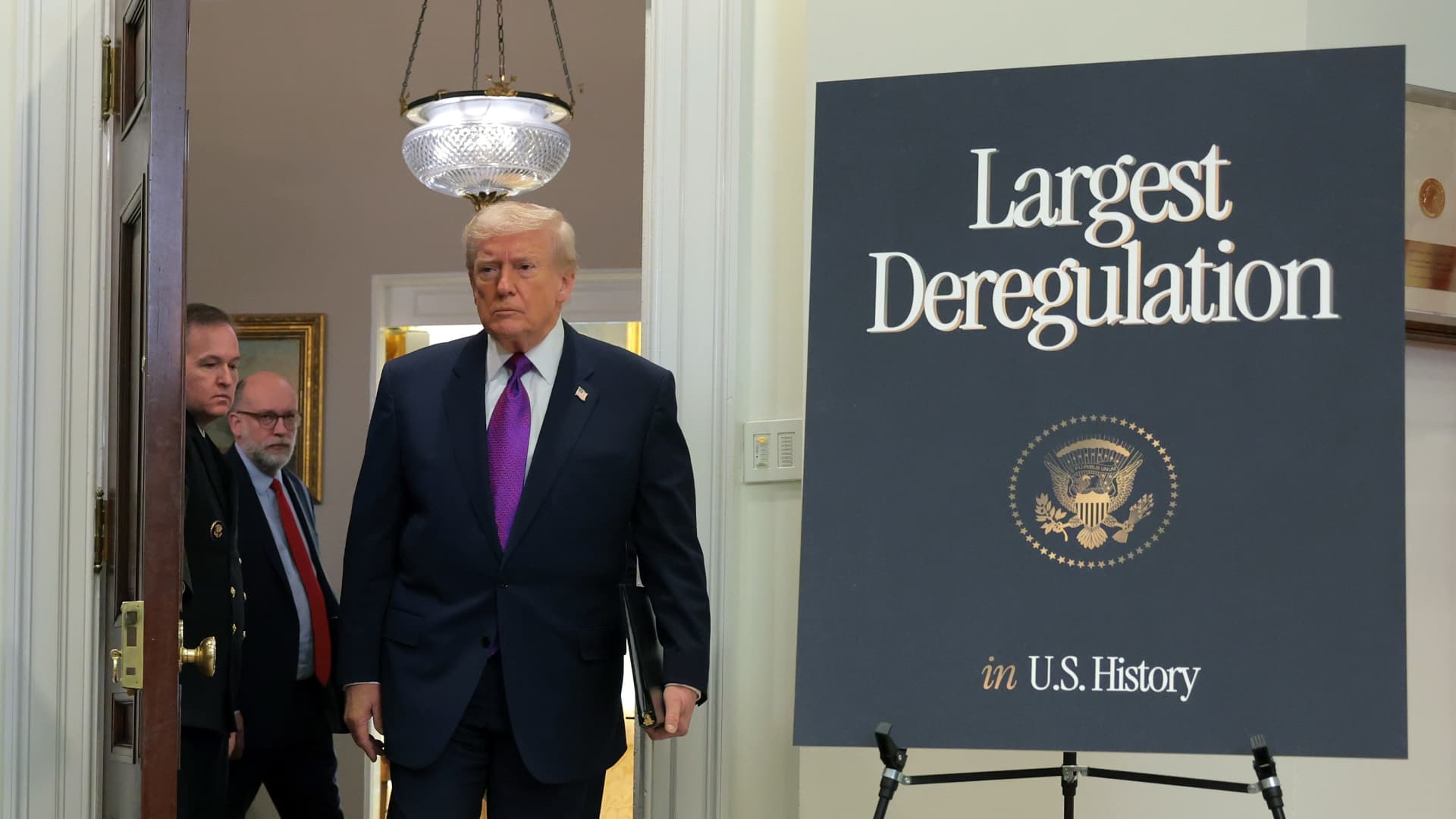

The Environmental Protection Agency’s recent decision to reconsider its stance on greenhouse gas regulations has triggered a wave of concern among environmentalists and industry analysts alike. Critics argue that this reversal could signal a setback for the U.S. electric vehicle (EV) market and fuel efficiency standards, potentially favoring gas-guzzling vehicles instead.
At the heart of the EPA’s reconsideration is a legal framework known as the endangerment finding. This finding established that the Clean Air Act of 1970 gives the EPA authority to regulate airborne toxins that directly threaten human health, but it does not extend to greenhouse gases, which contribute to climate change through indirect pathways. This foundational conclusion has driven fuel-efficiency targets and incentives for EVs, influencing numerous federal and state policies aimed at reducing transportation-related emissions.
The reversal aligns with broader efforts by the previous Trump administration to dismantle regulations that encouraged a shift from traditional vehicles to lower-emission alternatives. Notably, Congress eliminated federal tax credits for EV purchases-up to $7,500 for new cars and $4,000 for used vehicles-in 2022, resulting in a significant sales drop the following month, as reported by Cox Automotive. Additionally, President Trump rescinded longstanding California emissions waivers, which were pivotal for the state’s stringent air quality standards and significantly benefited automakers like Tesla.
Some automakers have expressed discontent with existing emissions regulations, labeling them excessively stringent and favoring EVs. They argue that current market interest might not align with the push toward electric vehicles. In September 2022, EV sales peaked at 10.3% of the new vehicle market, ahead of the termination of federal incentives. “We appreciate the work of President Trump and Administrator Lee Zeldin to address the imbalance between current emissions standards and customer choice,” stated Ford Motor Company in a response to these changes.
General Motors and Stellantis did not provide comments, but the Alliance for Automotive Innovation, which represents many U.S. and international automakers, has openly criticized both state and federal initiatives intended to increase EV adoption. The Alliance welcomed the National Highway Traffic Safety Administration’s proposal to relax Corporate Average Fuel Economy (CAFE) standards, indicating its stance on the challenging landscape faced by automakers.
Conversely, Tesla has voiced strong opposition to the EPA’s reconsideration of the endangerment finding. “The Endangerment Finding-and the vehicle emissions standards which flow from it-have provided a stable regulatory platform for Tesla’s extensive investments in product development,” the company stated in a letter to the EPA. Tesla warned that reversing this finding could diminish consumer choice, undermine economic benefits, and negatively impact public health.
Experts in clean transportation caution that stepping away from fuel-efficient goals and electric vehicles could be a shortsighted move, especially considering the growing global demand for cleaner transportation solutions. American car manufacturers also operate internationally and must navigate stricter emissions standards abroad. Moreover, advancements in EV technology and decreasing battery costs are bolstering consumer interest in electric vehicles. Alan Jenn from the University of California, Davis, noted that the expanding variety of available EV models signals a robust market, despite recent regulatory shifts against them.
As the automotive industry grapples with these regulatory changes, the long-term impact on electric vehicle adoption and clean technology innovation remains to be seen.
Original Source: https://www.cnbc.com/2026/02/12/epa-climate-change-automakers.html
Category :
Tags:
Publish Date: 2026-02-13 01:58:00