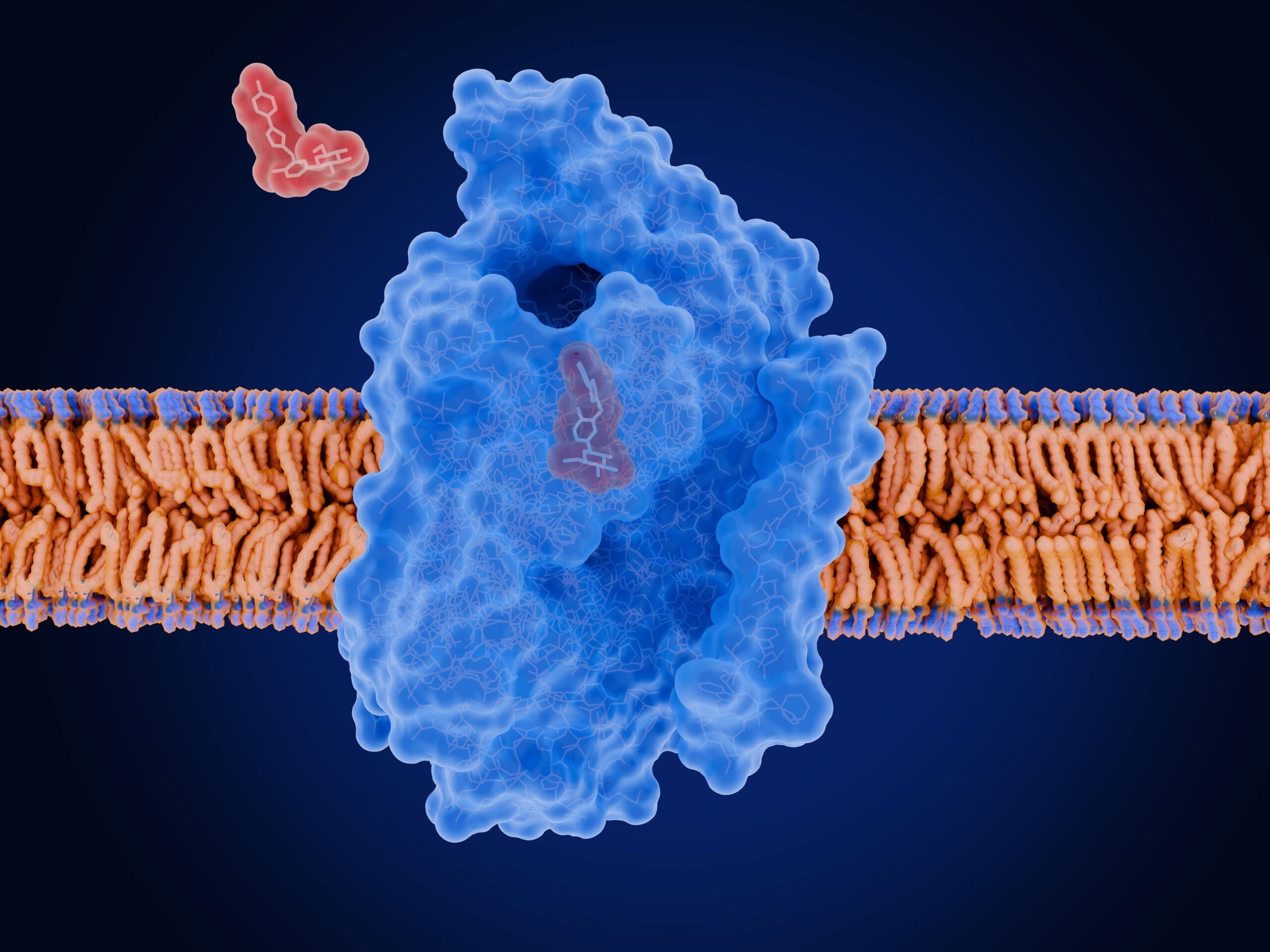
Transform Your Health: Discover How SGLT2 Inhibitors Slash 5-Year Risks of CKD and Acute Kidney Injury in Type 2 Diabetes

A recent study conducted in Denmark has revealed promising results regarding sodium-glucose cotransporter-2 inhibitors (SGLT2is) for patients with type 2 diabetes (T2D). Published in JAMA Internal Medicine, the research highlights a significant reduction in the five-year risk of chronic kidney disease (CKD) and fewer incidents of acute kidney injury (AKI) among patients starting SGLT2i treatment. This indicates that SGLT2is could serve as the primary preventive measure against kidney disease in T2D patients.
The comparative effectiveness of SGLT2is was analyzed against glucagon-like peptide-1 receptor agonists (GLP-1 RAs), another class of drugs noted for weight loss benefits, such as semaglutide (Wegovy, Ozempic) and tirzepatide (Mounjaro, Zepbound). While both classes feature prominently in current diabetes treatment guidelines, prior to this analysis, their comparative effectiveness in reducing risks associated with CKD and AKI had been unclear.
The study found that the five-year risk of CKD was 6.7% for patients beginning SGLT2i treatment, compared to 8.2% for those on GLP-1 RAs, marking a risk ratio of 0.81. Moreover, the five-year average count of AKI events was 25.2 per 100 patients for SGLT2i initiators versus 28.7 for GLP-1 RA initiators. This translated into an 11% lower risk of AKI for patients on SGLT2is.
When analyzing individual CKD components, the research further highlighted that SGLT2i initiation was linked to a significantly lower risk of reduced kidney function as measured by estimated glomerular filtration rate (eGFR). The risk ratio of eGFR reduction for SGLT2is was 0.75, indicating a 25% lower risk compared to GLP-1 RAs. Although the risk of severe albuminuria was found to be similar across both treatment groups, the worsening of kidney function and increased likelihood of kidney failure showed significant differences favoring SGLT2is.
Yet, interestingly, the study noted a slight increase in five-year mortality for SGLT2i initiators at 9.7%, compared to 9.3% for GLP-1 RA users. According to the authors, these findings suggest that pharmacists should take individual patient factors into account when prescribing these treatments. With numerous options available to mitigate cardiometabolic risks, pharmacists play a critical role in guiding patients toward the most suitable medication based on their health status.
Expert opinions highlight that SGLT2is have demonstrated kidney protective effects and may benefit not just diabetic patients but also those with normal or impaired kidney function. These medications help lower intraglomerular pressure, enhance tubular oxygenation, and reduce kidney inflammation and fibrosis. Such attributes contribute to their protective role against CKD, making them a strong option for patients considering treatment.
Dr. Heather Johnson, an assistant professor at West Virginia University, emphasized the notable impact that preserving eGFR can have on cardiovascular health. “SGLT2s are also known to be protective against AKI, while GLP-1s can cause AKIs,” she noted during a recent conference. As more patients are considered candidates for these medications, the healthcare community must stay informed about their benefits and nuances in treatment options.
In conclusion, the findings from this Danish study position SGLT2is as a leading preventive strategy for kidney complications in T2D patients, a consideration that pharmacists and healthcare providers should prioritize in their treatment plans.
Categories: Health, Diabetes, Pharmacology
Tags: SGLT2 inhibitors, Type 2 diabetes, Chronic Kidney Disease, Acute Kidney Injury, Pharmacotherapy
Original Source: https://www.pharmacytimes.com/view/sglt2-inhibitors-in-t2d-lower-5-year-risk-of-ckd-and-acute-kidney-injury
Category :
Tags:
Publish Date: 2026-02-06 23:31:00