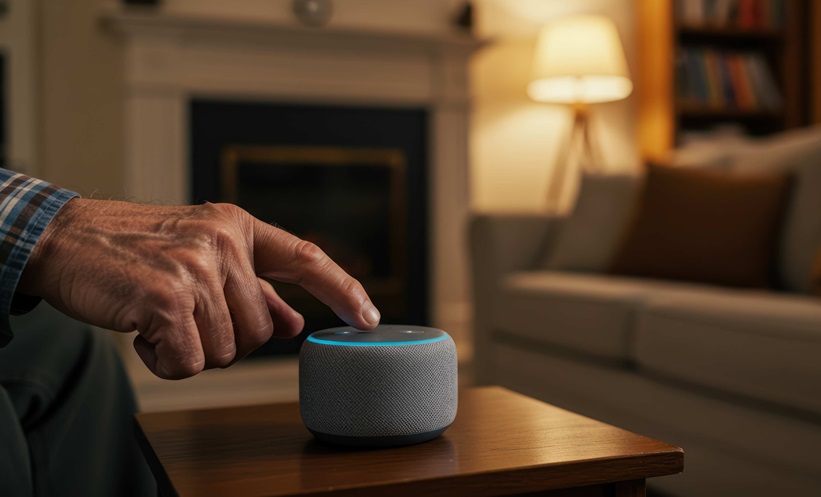

An interactive virtual assistant has demonstrated the ability to alleviate mental distress and enhance blood sugar control in older adults with Type 2 diabetes, underscoring the burgeoning role of digital health solutions in everyday care. This development is particularly significant given that Type 2 diabetes affects around one in five individuals over the age of 65 globally. Beyond glucose management, many older adults grapple with anxiety, depression, cognitive decline, and challenges related to adhering to complex self-care routines. The introduction of a hands-free virtual assistant provides a means to deliver reminders, educational content, and encouragement directly at home.
Researchers in Brazil aimed to determine whether such innovative technology could effectively support mental health and diabetes management among seniors, beyond what conventional educational materials typically offer. In a recently conducted open randomized clinical trial, 112 participants aged 65 and older, all diagnosed with Type 2 diabetes, were recruited from an academic medical center in Brazil. The participants were divided into two groups: one that received an interactive virtual assistant device for 12 weeks and another that continued with standard care.
The device used in the study was an Amazon Echo Dot, programmed with a behavioral intervention model that included daily health tips, medication reminders, glucose monitoring alerts, and educational audio content. After 12 weeks, findings revealed that participants using the virtual assistant scored a mean self-reporting questionnaire score of 6.29 for mental distress, in contrast to a score of 7.75 for the usual care group. This resulted in a significant mean difference of -1.46, indicating reduced mental distress (95% CI, -2.73 to -0.19; P = .02).
Additionally, quality of life saw a marked improvement with a mean difference of 9.46 (P = .001), alongside adherence to diabetes self-care behaviors, which improved with a mean difference of 3.40 (P < .001). Crucially, glycemic control also benefited, evidenced by a reduction in hemoglobin A1c levels by -0.48% (95% CI, -0.85 to -0.11; P = .01). Notably, no adverse events linked to the use of the device were reported throughout the study. These promising results suggest that an interactive virtual assistant can serve as a cost-effective, scalable enhancement to traditional diabetes care, positively impacting both psychological well-being and metabolic health. The user-friendly interface and engaging, human-like interaction may enhance participants' adherence to their management plans. While this study lays the groundwork for future explorations, larger and longer-term trials will be essential to establish long-term efficacy and viability. As the healthcare landscape increasingly embraces digital solutions, this research points to the potential benefits of technology in supporting aging populations managing chronic diseases at home. The findings underscore the urgent need for innovative approaches that can cater specifically to the needs of older adults, thereby improving their quality of life and health outcomes. Reference: Matzenbacher LS et al. Interactive virtual assistant for health promotion among older adults with Type 2 diabetes: the IVAM-ED randomized clinical trial. JAMA Netw Open. 2026;9(1):e2553508. Original Source: https://www.emjreviews.com/innovations/news/interactive-virtual-assistant-improves-diabetes-outcomes/ Category : Tags: Publish Date: 2026-02-03 15:33:00