Unlocking Opportunity: How the India-US Trade Deal Restores a Fair Playing Field for Prosperity

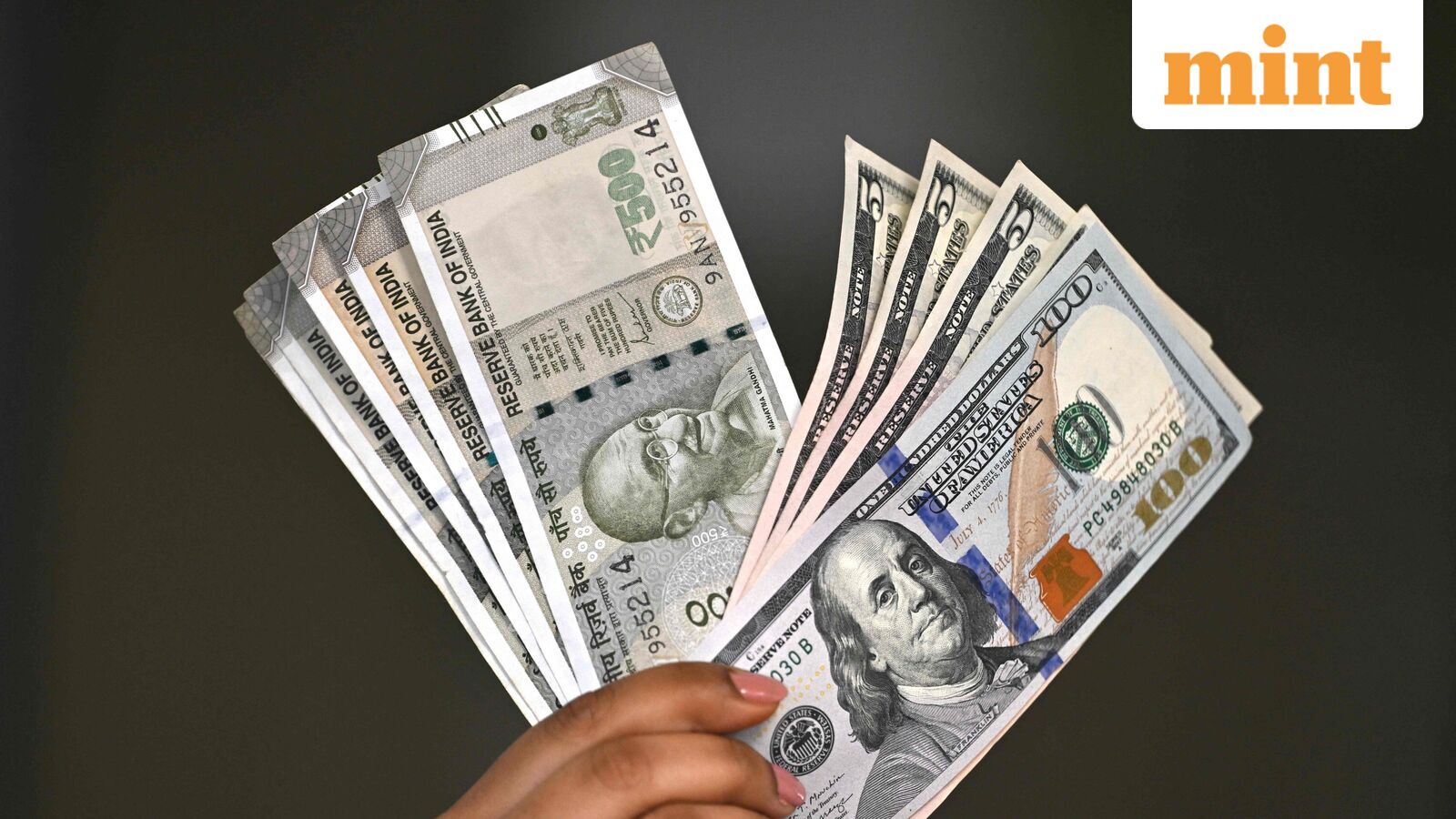
India and the United States announced a significant trade agreement on Monday, marking a crucial development in their bilateral relations. India disclosed that tariffs on its exports to the U.S. will be reduced to 18%, down from the previous rate of 50%. In return, the U.S. is pushing for India to halt its purchases of Russian oil, aim for zero tariffs on a diverse array of American goods, address non-tariff barriers, commit to acquiring $500 billion worth of U.S. products, and enhance access for American goods in its agricultural market.
While details are still emerging, India has yet to officially confirm all elements of the deal. The U.S. has long sought greater access to India’s agricultural sector, a point of contention that has complicated negotiations. An 18% tariff provides India with a competitive footing similar to that of other exporting nations, if not an advantage in certain contexts.
The previously imposed 50% tariffs, which took effect in August, had severe ramifications for various sectors. Despite this, India’s exports have shown resilience, adapting by exploring alternative markets. Sectors like gems and jewellery, textiles, and marine products are expected to benefit from this reduced tariff rate, providing much-needed relief.
The announcement follows a tumultuous year for U.S.-India trade relations, highlighted by reciprocal tariffs imposed in April 2025, alongside pressure points in negotiations over access to agricultural markets. Tensions escalated further when India’s government refuted assertions made by then-President Donald Trump regarding his mediation in the India-Pakistan conflict. The situation deteriorated in August, when an additional 25% tariff was levied, rendering India one of the nations most affected by U.S. tariffs, alongside Brazil. This trade deal is crucial for maintaining India’s position as a key player in its largest export market.
Moreover, Trump stated that India will cease its purchase of Russian oil, a contentious issue that has strained relations. Since the onset of the Russia-Ukraine conflict, India had significantly increased its imports of discounted Russian oil. However, as the financial incentives have diminished, India has gradually reduced its Russian oil intake over the past year.
India’s dependence on Russian oil surged from under 2% before 2022 to approximately 35% in 2024-25, making Russia its largest supplier. Currently, that figure has decreased to 32% in FY26. In sharp contrast, the U.S. constituted only 5% of India’s crude imports until the end of 2024-25, but this share has now increased to above 8% in the current fiscal year.
The tariffs imposed in August 2025 were explicitly linked to Russia’s oil transactions, illustrating how trade policies were employed as tools in broader geopolitical negotiations. However, the specifics of Trump’s claim regarding India’s commitment to purchase $500 billion worth of U.S. goods remain unclear, particularly regarding the timeline. For context, bilateral trade between India and the U.S. reached $132 billion in FY25, with Indian imports from the U.S. accounting for around $43 billion.
Chief economist Madhavi Arora of Emkay Global Financial Services commented on the trade deal’s implications, stating it brings India in line with its Asian counterparts on tariff rates. She emphasized that while there are no extraordinary advantages over other Asian nations, restoring a level playing field is a vital reset for India’s trade relations.
This trade agreement represents a pivotal opportunity for both nations, potentially reshaping their economic affiliations and inviting new avenues for collaboration in the future.
Original Source: https://www.livemint.com/news/india-us-trade-deal-russian-oil-india-11770063539018.html
Category :
Tags:
Publish Date: 2026-02-03 11:47:00