Will Cooler Heads Prevail at Davos WEF 2026? Unraveling the Tension and Hope for Global Solutions

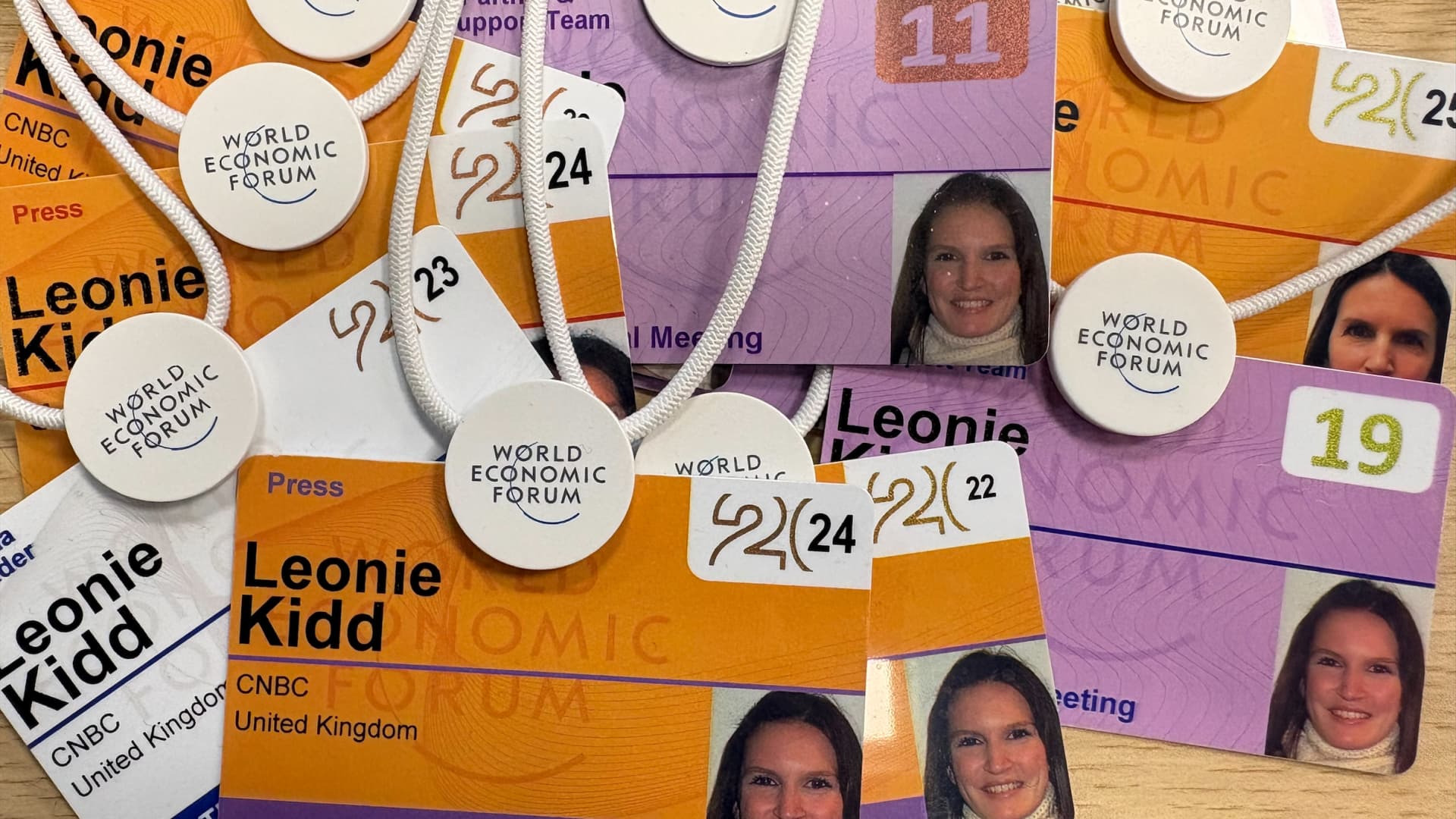
I’ve been attending the World Economic Forum (WEF) since 2009, when I joined “Squawk Box Europe” as a news assistant, completely unaware of the whirlwind I was stepping into. Even today, WEF remains CNBC International’s largest annual outside broadcast, a blend of excitement and gravitas as global leaders, business powerhouses, and a hint of celebrity converge in the winter wonderland of Davos. The stark reality of this meeting has evolved tremendously over the years, marked by significant turning points such as the fallout from the Great Financial Crisis and the Arab Spring, and now, the upheaval of the post-World War II global order.
As the 2026 Forum approaches, the atmosphere is charged. This year’s theme, “The Spirit of Dialogue,” stands in stark contrast to the rising tensions between traditional allies. U.S. President Donald Trump’s recent provocative actions, including threats of new tariffs aimed at European countries for their lack of support regarding Greenland, have ignited backlash from Brussels to Paris. His assertiveness promises to generate considerable discord as he prepares to meet European leaders in the Congress Centre’s corridors.
Trump’s impending speech at the Forum coincides with a crucial time for the global community, grappling with his policies on Venezuela, a hardline approach towards Iran, and a stagnant peace process in Ukraine. The WEF’s latest Global Risk Report warns that established rules and institutions are facing unprecedented challenges in an era where trade, finance, and technology have become powerful instruments of influence.
On the first full day of the Forum, key leaders such as European Commission President Ursula von der Leyen, French President Emmanuel Macron, and Canadian Prime Minister Mark Carney are expected to emphasize NATO’s vital role amid escalating tensions, particularly in light of Trump’s alarming military threats regarding Greenland, prompting conversations about NATO’s future. Reports indicate that the G7 may convene on the sidelines to discuss advancing a peace deal between Russia and Ukraine, even as NATO’s cohesion is scrutinized.
Additionally, Chinese Vice-Premier He Lifeng will address the Forum amidst a tentative trade truce with Washington, even as China has reported the world’s largest trade surplus in history, exceeding $1 trillion in 2025. Corporate leaders with vested interests in China, such as Nvidia’s Jensen Huang, will also be speaking, navigating an increasingly politicized business environment.
Outside political discourse, the independence of central banks is set to be a hot topic. The Department of Justice’s criminal investigation into Federal Reserve Chair Jerome Powell has alarmed global central bankers. Powell expressed concerns that this probe could undermine the Fed’s ability to independently set interest rates, potentially yielding to political pressures. His international peers, including ECB President Christine Lagarde and Bank of England Governor Andrew Bailey, have rallied in his defense, with former ECB Chief Jean-Claude Trichet warning that the markets may not fully grasp the seriousness of the situation.
Reflecting on the debates that will unfold in Davos, I find it hard to believe how drastically the global landscape has changed since my first attendance. The challenges facing institutions like the G20 and G7 have made the World Economic Forum a rare venue for face-to-face diplomacy, highlighting the importance of constructive dialogue. As the events in the Swiss Alps unfold, I hold onto the hope that wisdom and dialogue will prevail amidst the rising tensions.
Key speeches this week include: Tuesday: Ursula von der Leyen, He Lifeng, Emmanuel Macron; Wednesday: Donald Trump; Thursday: Isaac Herzog, Friedrich Merz.
Original Source: https://www.cnbc.com/2026/01/18/trump-davos.html
Category :
Tags:
Publish Date: 2026-01-18 17:15:00