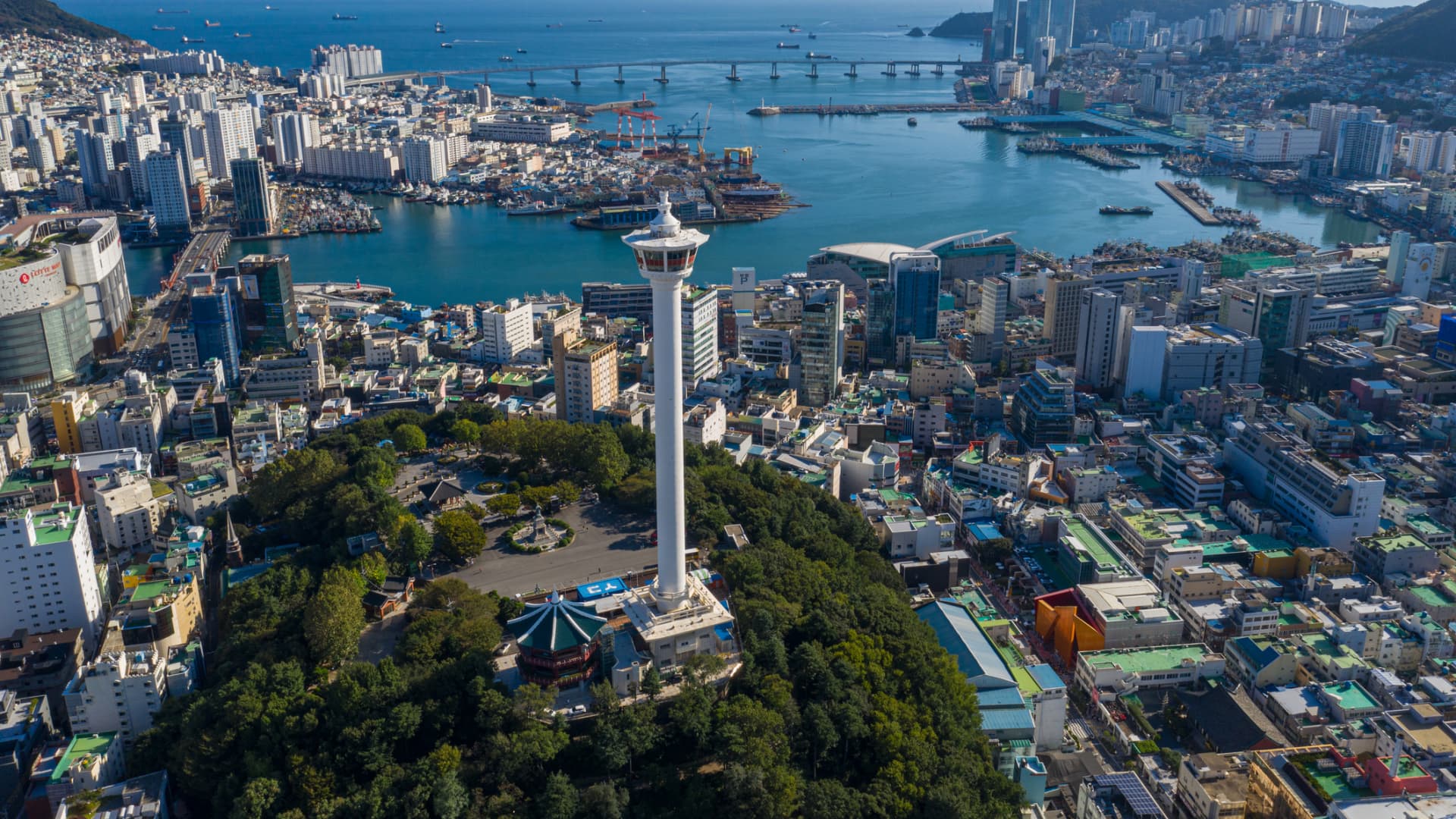

Shares of South Korean automakers surged on Tuesday following a confirmation from U.S. Secretary of Commerce Howard Lutnick that lower auto tariffs would take effect retroactively from November 1, bringing the rate down to 15%. Lutnick highlighted that the U.S. would also eliminate tariffs on airplane parts and adjust South Korea’s reciprocal tariff rates to align with those of Japan and the European Union.
In response, shares of Hyundai Motor rose nearly 5%, while Kia Corp saw a 3% increase. The broader South Korean market reflected this optimism, with the Kospi Index climbing 1.02%. However, the small-cap Kosdaq experienced a slight dip of 0.13%.
Additionally, government data revealed South Korea’s headline inflation rate rose 2.4% year-on-year in November, surpassing economists’ expectations of a 2.35% increase, as reported by a Reuters poll. Core inflation, which excludes fresh food and energy prices, also recorded a 2% increase compared to the previous year. This steady inflation figure supports the Bank of Korea’s decision to maintain interest rates at 2.5% for the fourth consecutive meeting last week.
Meanwhile, the financial landscape in the broader Asia-Pacific region showed mixed results after a downturn on Wall Street, prompted by a significant cryptocurrency sell-off. Bitcoin fell nearly 6%, trading below $86,000 and struggling to regain the $90,000 threshold it dipped below late last month.
Investor sentiment remained shaky, affecting crypto-related stocks like Coinbase. In the tech sector, shares of companies involved in artificial intelligence, including Broadcom and Super Micro Computer, experienced declines of over 4% and 1%, respectively, as profit-taking took hold.
On the other hand, Japan’s markets showed resilience, with the Nikkei 225 index rising 0.54% and the Topix index increasing by 0.44%. Key sectors propelling this upward trend included financials, energy, and basic materials. Noteworthy performers included industrial robot manufacturer Fanuc, up 5.86%, and NGK Insulators, which saw gains of nearly 6%.
Bond yields in Japan also exhibited upward pressure, with the 10-year Japanese Government Bond yield reaching 1.88%, the highest since June 2008. Speculation about a potential interest rate hike by the Bank of Japan intensified as yields on the 20-year and 30-year JGBs hit their highest points since 1999 and an all-time high of 3.411%, respectively.
In Australia, the ASX/S&P 200 posted a modest increase of 0.12%. The Hang Seng Index in Hong Kong opened up by 0.49%, while China’s CSI 300 declined slightly by 0.17%. Shares of Alibaba Group gained nearly 3% in Hong Kong after the company introduced its Quark artificial intelligence glasses in China.
In the U.S., equity futures showed little movement in early Asian trading, following a series of declines across major indexes. The S&P 500 slipped by 0.53% to close at 6,812.63, while the Nasdaq Composite fell 0.38% to finish at 23,275.92. The Dow Jones Industrial Average experienced a notable pullback of 427.09 points, or 0.9%, settling at 47,289.33.
As the financial world grapples with changing dynamics, the interplay between automaker stocks, inflation rates, and international trade policies will continue to shape market sentiments and investor strategies in the coming weeks.
— Report contributed by CNBC’s Alex Harring and Fred Imbert.
Original Source: https://www.cnbc.com/2025/12/02/asia-pacific-markets-today-tuesday-crypto-bitcoin-nikkei-225-hang-seng-index.html
Category :
Tags:
Publish Date: 2025-12-02 07:18:00