
Tropical cyclones have combined with severe monsoon rains, wreaking havoc across parts of Asia, resulting in close to 1,000 deaths and displacing many more individuals. The Indonesian archipelago has been significantly affected, with the death toll currently at 442 due to flooding that began about a week ago; this number may continue to climb. Nearly 300,000 people have been forced from their homes, and approximately 3,000 houses have sustained damage, with 827 completely destroyed or swept away.
In Sumatra, videos shared on social media depict residents navigating crumbling roads and flooded areas in search of food, medicine, and fuel, with some wading through waist-high water to reach impacted convenience stores. The regional police have been deployed to restore order amidst reports of looting, which occurred before humanitarian aid arrived. Police spokesperson Ferry Walintukan commented that residents were unaware of incoming assistance and feared starvation.
In Sri Lanka, flooding and landslides triggered by Cyclone Ditwah have caused the death toll to rise sharply to 334, while nearly 400 individuals are still unaccounted for. The Disaster Management Centre has reported that over 1.3 million people have been affected by the record-setting rains, marking the worst natural disaster the country has faced in 20 years. Officials are only now assessing the extent of the damage in the severely affected central region as rescue workers clear roads blocked by debris.
Rains that typically occur in this season have been intensified by the unusual formation of two tropical cyclones-Koto and Senyar-which have introduced warm, moist air into the region. Indonesia’s meteorology agency describes the occurrence of Senyar in the Strait of Malacca as rare, although it has become more common in recent years. Andri Ramdhani from the agency noted that Indonesia’s proximity to the equator usually hinders the development of tropical cyclones due to the lack of Coriolis force.
The devastation in Sri Lanka stems from cyclone Ditwah, which formed over the Bay of Bengal and made landfall, compounding the effects of the northeast monsoon season. On the outskirts of Colombo, low-lying areas flooded over the weekend, prompting evacuation orders for residents near the Kelani River, which meanders through the capital into the Indian Ocean. Thousands of police and military personnel are engaged in relief operations, distributing food and assisting stranded families. Approximately 148,000 people have been displaced and are currently housed in temporary shelters.
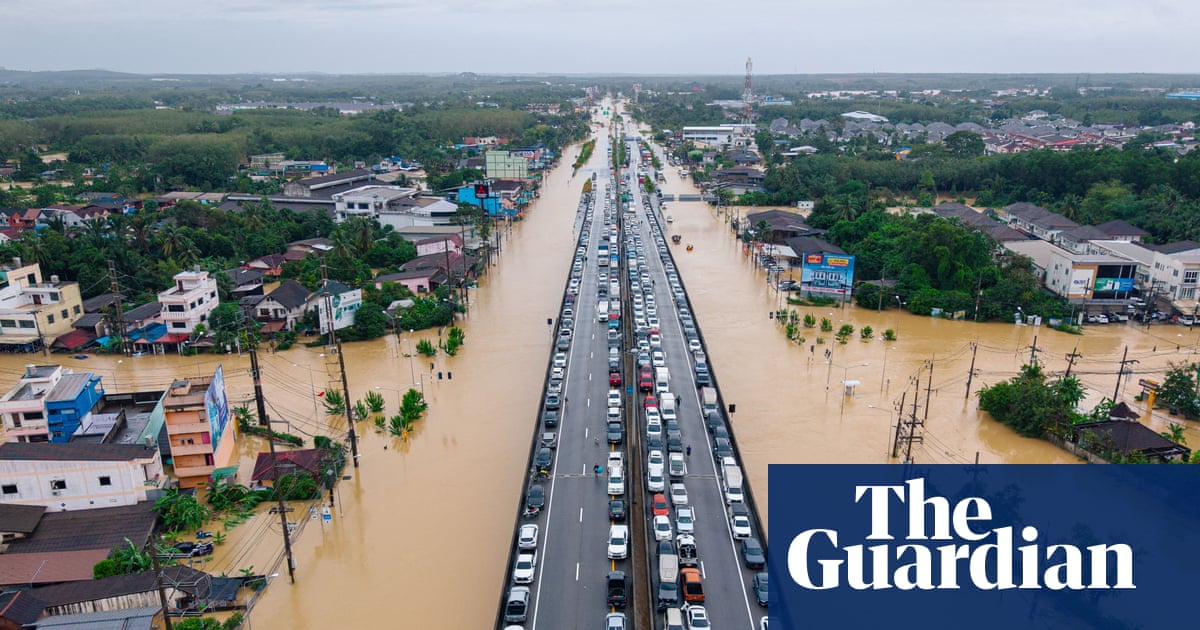
Meanwhile, in Thailand, the public health ministry has reported 170 fatalities due to flooding, marking one of the worst flood events in over a decade. Songkhla Province has experienced the highest number of deaths, with 131 confirmed. On November 21, Hat Yai, the region’s largest city, recorded 372mm (14.6 inches) of rain in a single day-the highest amount in 300 years-amid ongoing heavy downpours. Authorities continue to work on delivering aid and clearing the aftermath, although criticism of the flood response has surfaced, leading to the suspension of two local officials due to their alleged mishandling of the situation.
In Vietnam, additional rainfall associated with Cyclone Koto has claimed three lives as two boats capsized in rough seas. Central regions of Vietnam have experienced extensive flooding, damaging historical sites and tourist areas, with losses estimated in the hundreds of millions of dollars. The national weather bureau has predicted further rainfall of up to 150mm (6 inches) in areas still recovering from earlier disasters.
Natural disasters have led to over 400 fatalities or missing persons in Vietnam this year alone, with damage exceeding $3 billion. In Malaysia, floods have resulted in the deaths of two individuals in northern Perlis, alongside around 18,700 people remaining in evacuation centers due to ongoing safety concerns.
Original Source: https://www.theguardian.com/world/2025/dec/01/asia-floods-visual-guide-flooding-extreme-weather-cyclones-monsoon
Category:
Tags:
Publish Date: 2025-12-01 09:55:00