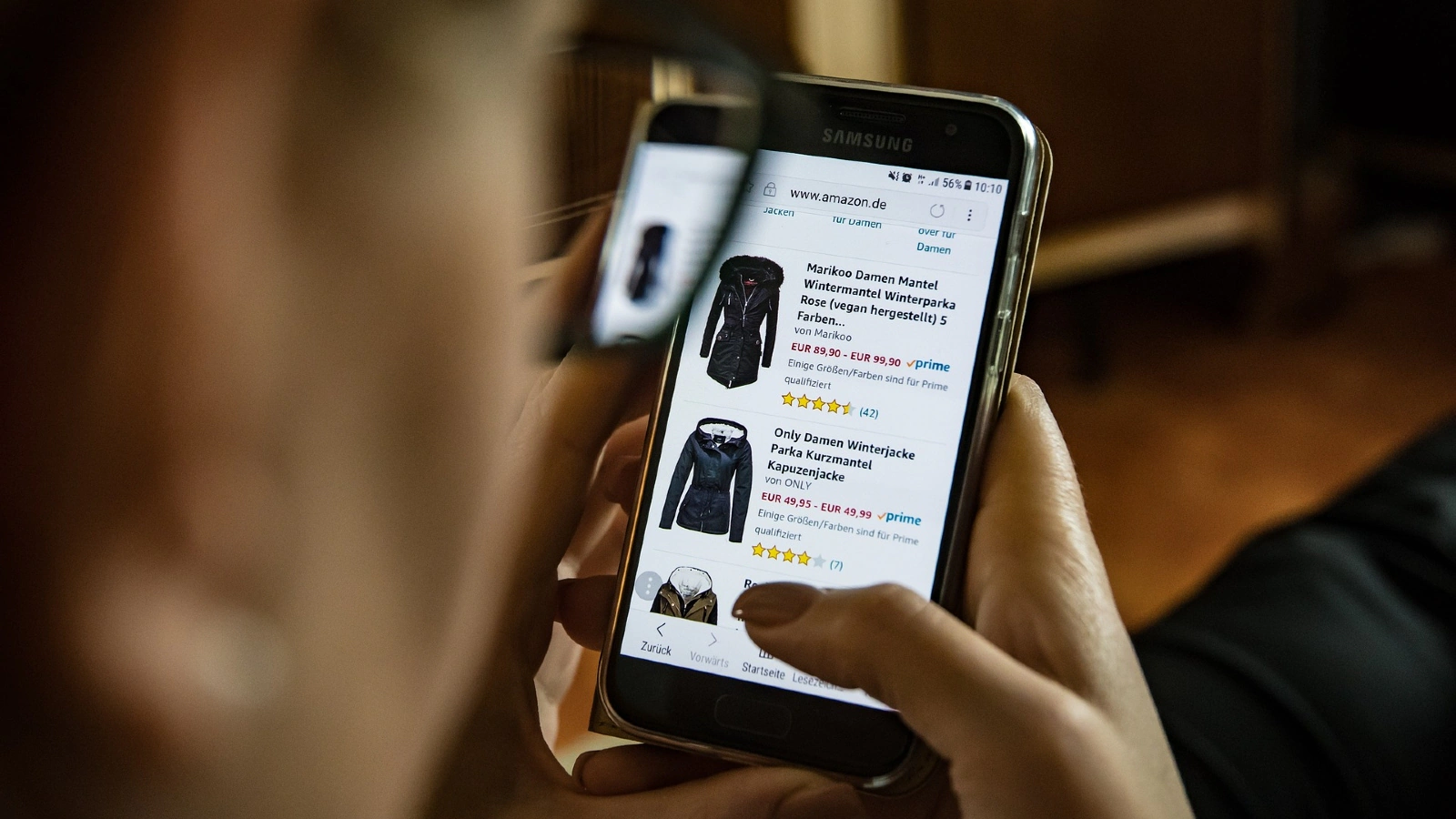

AI-driven shopping tools significantly boosted U.S. online spending during Black Friday, as consumers opted for the convenience of chatbots over crowded retail stores to compare prices and lock in discounts amid concerns over tariff-related price increases. U.S. shoppers spent a record $11.8 billion online, marking a 9.1% increase from 2024, according to Adobe Analytics, which analyzes approximately 1 trillion visits to online retail sites.
The holiday shopping season unfolded against a backdrop of constrained budgets, with unemployment nearing a four-year high, consumer confidence sinking to a seven-month low, and price consciousness at an all-time high. Online shopping demand surged as savvy consumers navigated holiday spending, with Mastercard SpendingPulse reporting a 10.4% rise in e-commerce on Black Friday compared to just 1.7% for physical store sales.
Traffic driven by AI tools to U.S. retail websites skyrocketed by 805% compared to last year, Adobe revealed. The report noted that tools like Walmart’s Sparky and Amazon’s Rufus, which enhance shopping efficiency, had not yet launched in 2024. Analyst Suzy Davidkhanian of eMarketer shared insights on this trend: “Consumers are using new tools to get to what they need faster. Gift giving can be stressful, and large language models make the discovery process feel quicker and more guided.”
Popular items on Black Friday included LEGO sets, Pokémon cards, and gaming consoles such as the Nintendo Switch and PlayStation 5, along with sought-after products like Apple AirPods and KitchenAid mixers.
On a global scale, AI and assistant technologies contributed to $14.2 billion in online sales on Black Friday, with $3 billion attributed to U.S. shoppers alone, as reported by Salesforce. Their data revealed that U.S. online spending reached $18 billion on Black Friday, a 3% increase from the previous year, with luxury clothing and accessories topping the list of preferred purchases.
Despite the heightened spending, price hikes affected online demand, leading to fewer items purchased at checkout relative to the previous year. Discount rates remained stable compared to 2024, with AI aiding shoppers in identifying the best deals, but increased prices limited retailers’ ability to offer steeper discounts. Davidkhanian noted that promotions might not seem as attractive this year due to inflationary pressures and tariffs, leaving consumers feeling less convinced by final prices.
The combination of price increases and flat discounts diminished the perceived value of Black Friday bargains, according to Michael Ashley Schulman, Chief Investment Officer at Running Point. Order volumes declined by 1% while average selling prices surged by 7%. Fewer items were purchased at checkout, with units per transaction dropping by 2% year-over-year, Salesforce noted.
Caila Schwartz, Salesforce’s director of consumer insights, explained that rising average selling prices stem from tariffs impacting discretionary goods and an increasing prevalence of higher-income earners, particularly in the luxury market.
Looking ahead, the significant spending growth sets the stage for an even larger Cyber Monday, anticipated to generate $14.2 billion in sales, representing a 6.3% year-on-year increase. Electronics are expected to feature the most substantial discounts, reaching up to 30% off suggested retail prices, in addition to enticing offers on apparel and computers.
However, shopping at physical stores was less vigorous this Black Friday, with shoppers expressing concerns over overspending amid ongoing inflation and labor market uncertainty.
Original Source: https://indianexpress.com/article/technology/artificial-intelligence/ai-helps-drive-record-11-8-billion-in-black-friday-online-spending-10393855/
Category: Artificial Intelligence,Technology
Tags:
Publish Date: 2025-11-30 09:31:00