Winter Heart Health: 5 Essential Steps to Combat High Blood Pressure and Prevent Heart Attacks!

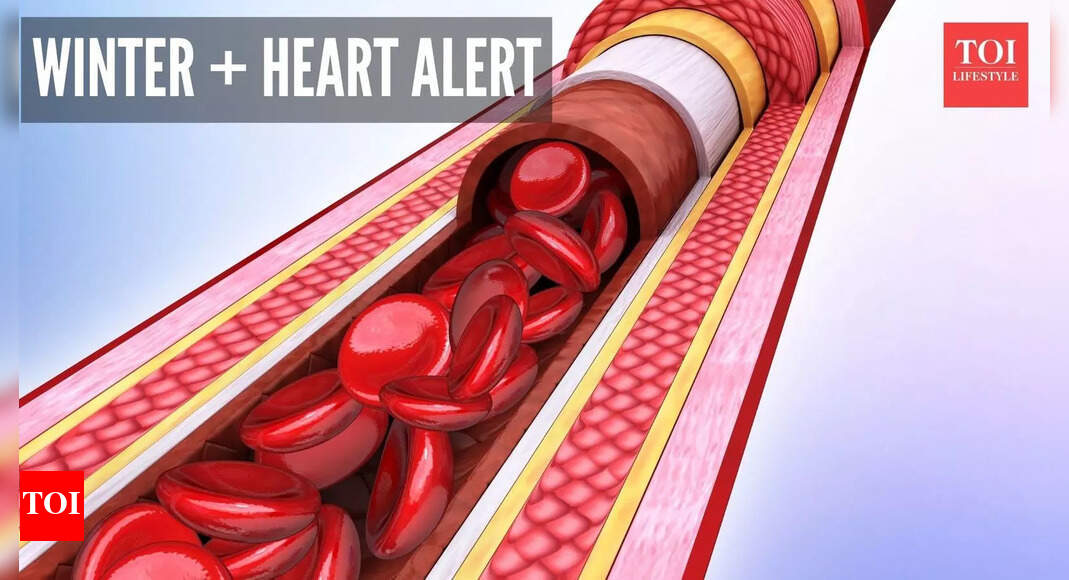
As temperatures plummet, our bodies utilize a remarkable survival mechanism: narrowing blood vessels to retain heat. While this natural process might seem benign, a 2019 study highlights its potential dangers, especially for older adults or those with existing health conditions. When cold weather sets in, arteries constrict, putting an extra strain on the heart, which must work harder to push blood through these narrower pathways. For individuals managing high blood pressure or heart disease, the impending winter poses hidden risks that are often underestimated.
During colder months, reduced daylight and outdoor activity combined with a tendency to indulge in heavier meals can further exacerbate these health issues. According to the American Heart Association, the process known as vasoconstriction, in which smooth muscle in arterial walls tightens, increases both blood pressure and vascular resistance. This physiological response means that even individuals without pre-existing hypertension may experience elevated blood pressure as their vessels narrow with the cold.
The implications of increased blood pressure are significant. Elevated levels not only heighten the risk of heart attacks but, when paired with the winter conditions that limit physical activity and stress the cardiovascular system, create a precarious situation for many. Research suggests that sudden exposure to cold can trigger cardiovascular events, particularly for those with underlying conditions. Over time, the stress on the heart can lead to instability in arterial plaques and a greater demand for oxygen, significantly increasing the risk of serious events.
Certain groups are particularly vulnerable. Those aged 65 and older, individuals with hypertension or cardiovascular disease, and people who have difficulty adapting to temperature changes, such as those with poor circulation or diabetes, must be especially cautious. These factors can convert winter-a season often characterized by cozy warmth-into a period fraught with cardiovascular risk, compounded by habits like staying indoors, decreased physical activity, and potential weight gain.
To navigate winter safely, medical professionals, including Dr. Varun Bansal, a consultant cardiac surgeon at Indraprastha Apollo Hospitals, recommend several practical strategies. Gradual transitions when entering the cold help the body acclimatize, such as standing in a slightly cooler room or sipping a warm, non-caffeinated beverage before stepping outside. Maintaining physical activity indoors is also crucial; simple movements like brisk walking in place can keep blood vessels more dilated, reducing the effects of vasoconstriction.
Diet plays a significant role as well. Eating a balanced diet rich in fruits, vegetables, and omega-3 fatty acids, while avoiding excessive salt intake, can support cardiovascular health during chilly months. Regularly monitoring blood pressure at home also offers insights into any necessary adjustments in lifestyle or medication, particularly as blood pressure tends to rise in winter.
This knowledge reminds us to be proactive about heart health during the colder months. Awareness is key in avoiding potentially dangerous spikes in blood pressure and cardiovascular events. Taking small yet meaningful steps can pave the way for a healthier winter.
In summary, while winter brings a picturesque allure, it also necessitates heightened caution, particularly for those at risk of heart disease and high blood pressure. Simple adjustments in habits and lifestyle can significantly reduce winter-associated health risks, fostering a safe and enjoyable season.
Tags: winter health risks, heart disease, blood pressure, cardiovascular health, cold weather coping strategies.
Original Source: https://timesofindia.indiatimes.com/life-style/health-fitness/health-news/arteries-naturally-constrict-in-winter-causing-high-blood-pressure-and-heart-attack-5-things-to-do-to-stay-safe/articleshow/125268533.cms
Category :
Tags:
Publish Date: 2025-11-13 04:00:00