Unyielding Foundations: The Vital Role of Crushed Stones Beneath Our Railway Tracks for Safety and Stability

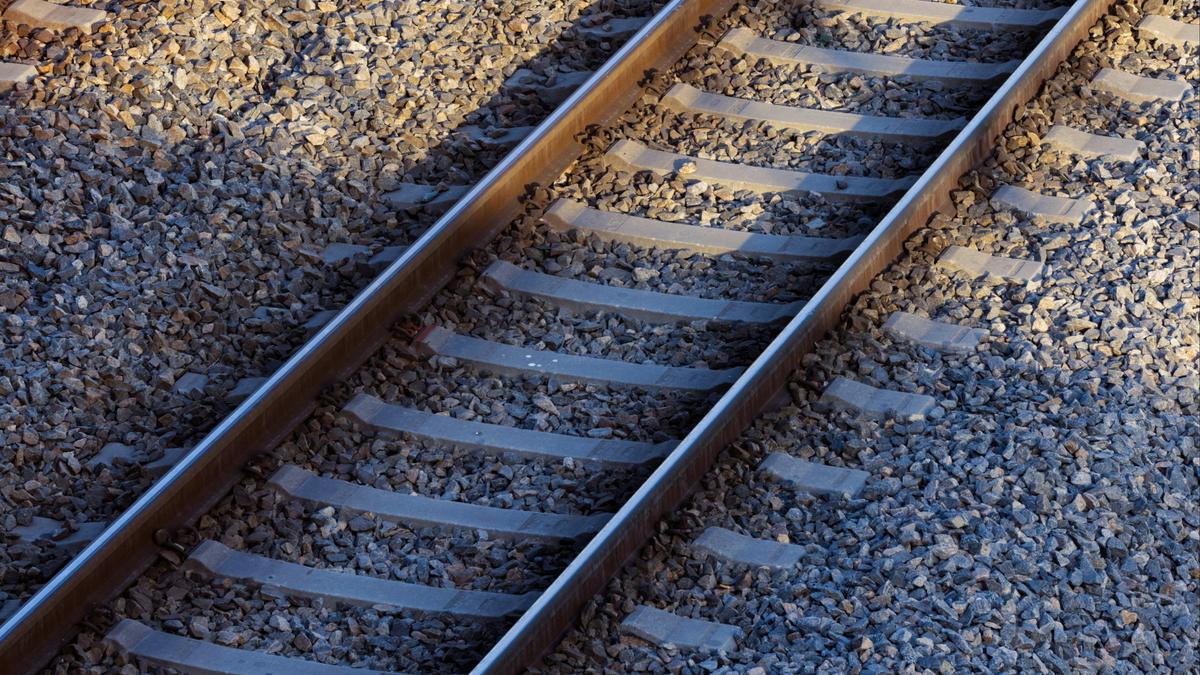
Clinkety-clack! As the train pulls away from the station, it leaves behind not just an empty platform but a solitary railway track nestled atop a bed of stones. However, this track is far from alone; it rests on a fundamental component known as ballast.
While many might assume the stones beneath the track serve only as mere ballast, their role is much more intricate. The term “ballast,” which originally relates to maritime practices, refers to stabilizing massive ships at sea. When railways began to flourish in England, gravel that once provided balance to ships was repurposed to reinforce railroad bed systems, or roadbeds, which form the crucial foundation for railway tracks.
Track ballast goes beyond stones; it encapsulates any material that lends stability to a structure. In rail systems, ballast keeps the tracks secure and bears the substantial weight of passing trains. Given that an average passenger train can weigh around 1,100 tonnes-about the equivalent of 250 elephants-it becomes clear why the construction details of the roadbed are paramount.
Illustratively, a cross-section diagram may display two types of roadbeds: one utilizing gravel ballast and the other employing stone ballast. For optimal performance, a layer of crushed stones is meticulously spread across the roadbed, which is expertly prepared for effective water drainage. This preparation involves contouring the surface so that moisture can flow off to the sides. Without the ballast, you would discover the crowned shape of the roadbed designed to facilitate drainage.
Once the ballast is in place, railway sleepers-rectangular supports laid perpendicular to the track-are added. With these components secured, the steel tracks can be laid, completing the construction process. The depth of ballast usually ranges from a minimum of 150 mm to upwards of 400 mm, depending on the specific requirements of the railroad.
Understanding the distinction between the roadbed and ballast is crucial. The entire foundation for the railway lies in the roadbed, while ballast serves as the critical layer of crushed stones directly beneath the tracks.
The materials suitable for ballast are diverse. Typically, durable substances like crushed limestone and granite are utilized, but other options include gravel, sand, water, slag, and burnt clay, as long as they can withstand immense pressure.
Ballast serves multiple vital functions. It absorbs the concentrated force of trains, redistributing the weight across the broader roadbed. It ensures the tracks remain stable and supportive while facilitating proper water drainage. Additionally, ballast allows for the alignment and realignment of the track without compromising the integrity of the roadbed.
As railways continue to evolve, the fundamental role of ballast remains a cornerstone of railway engineering. It not only supports the structures but also enhances overall safety and efficiency-critical factors in the world of modern transportation.
Published on November 08, 2025, the importance of understanding railway infrastructure resonates with both industry professionals and enthusiasts alike.
Original Source: https://www.thehindu.com/children/crushed-stones-beneath-our-railway-tracks-why/article70166447.ece
Category : Children
Tags:
Publish Date: 2025-11-08 16:49:00