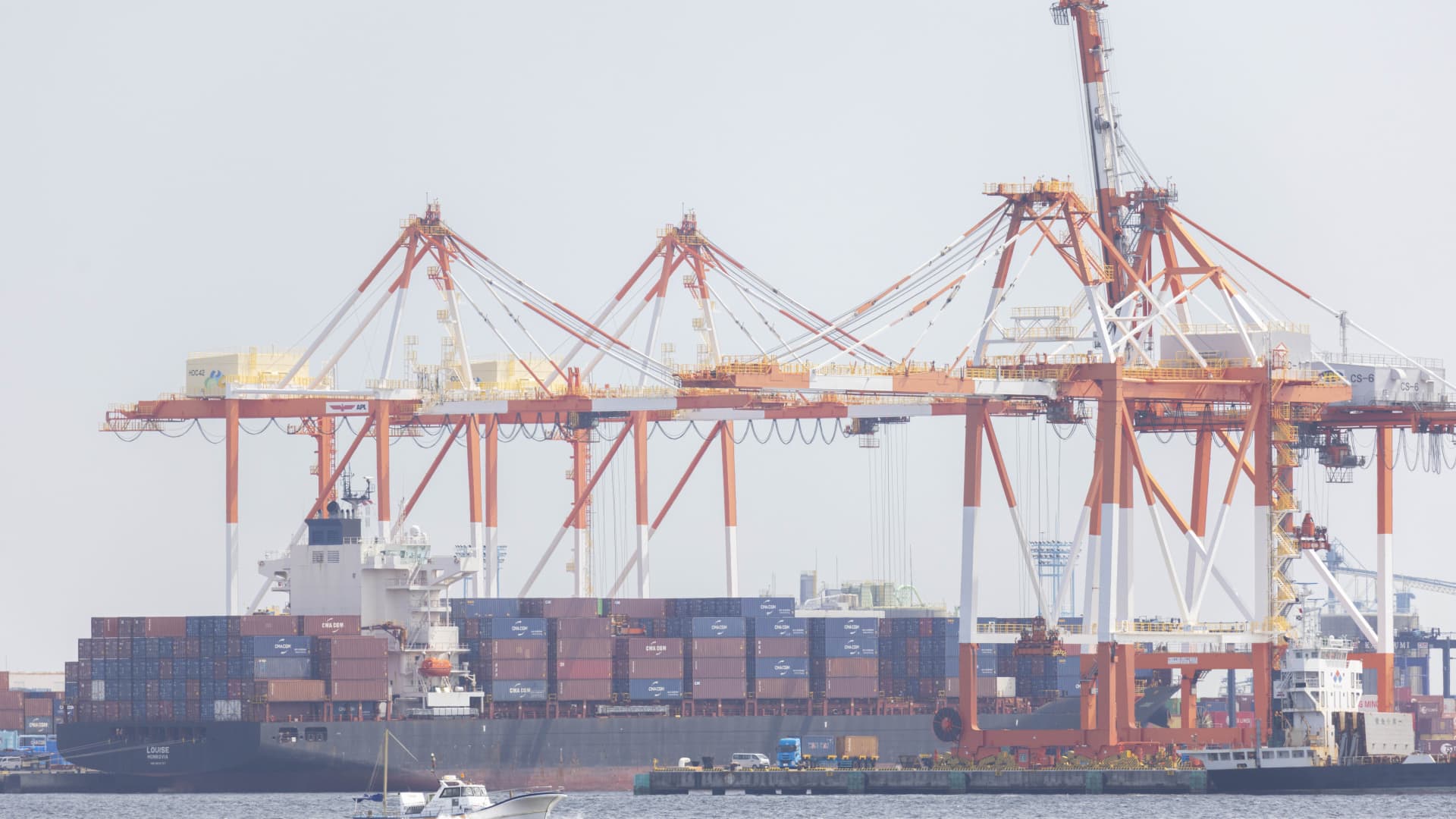
Japan’s Exports Surge Back to Life in September: A Powerful Rebound After Four Months of Decline!

Japanese exports staged a noteworthy recovery in September, ending a streak of four consecutive months of decline. Shipments rose by 4.2% year-on-year, fueled by strong demand in Asia, although this growth fell short of Reuters’ expectations of a 4.6% increase. Exports to Asian countries surged 9.2%, with a significant 5.8% increase in shipments to mainland China, Japan’s largest trading partner. Conversely, exports to the United States, Japan’s second-largest market, plummeted by 13.3%.
One of the significant contributors to the overall growth was the export of semiconductors, which saw a year-on-year value increase of 12.6%. However, Japan’s trade balance has been under strain due to U.S. tariffs, particularly affecting automobile exports. In September, shipments of cars to the U.S. dropped 24.2% in value, although this was a slight improvement compared to the 28.4% decline recorded in August.
In July, Japan secured a pivotal trade agreement with the U.S., resulting in a reduction of proposed tariffs from 25% to 15%. These tariffs came into effect on August 7, offering some relief to Japanese exporters. Meanwhile, imports also demonstrated resilience, rising by 3.3% year-on-year, a positive turnaround from August’s 5.2% decline and surpassing analysts’ expectations of just 0.6% growth.
The latest trade data follows a significant political shift in Japan, as the country welcomed its first female prime minister, Sanae Takaichi. This leadership change comes on the heels of political turmoil and electoral setbacks experienced by the ruling Liberal Democratic Party under former Prime Minister Shigeru Ishiba. Takaichi’s economic vision emphasizes a loose monetary policy and substantial fiscal stimulus, measures that are anticipated to weaken the yen. A weaker yen should enhance the competitiveness of Japanese goods internationally, potentially benefiting exporters, whose stocks have positively influenced the Nikkei 225 index, which reached record highs recently.
Market sentiment has adapted to the so-called “Takaichi trade,” contributing to the Nikkei’s surge and the yen’s decline past the 150 mark against the dollar. Moreover, Japan’s economy has fared better than anticipated, with the second-quarter GDP revised upward to a growth rate of 0.5%, up from the initially estimated 0.3%. Analysts had expected a modest growth rate of just 0.1%.
As Japan continues to navigate the complexities of international trade and domestic economic policies, the focus will remain on how these dynamics influence export performance, particularly with the evolving landscape of U.S.-Japan relations. The country’s ability to adapt to these changes will be crucial for sustaining economic momentum in the coming months.
Original Source: https://www.cnbc.com/2025/10/22/japan-exports-import-trade-data-september.html
Category :
Tags:
Publish Date: 2025-10-22 07:12:00