
A recent study has identified India as the country most likely to face severe long-term effects from chikungunya, a rapidly spreading mosquito-borne disease. This global analysis reveals that more than 5 million individuals in India may be at risk of contracting chikungunya each year, which poses a significant burden on both individuals and the healthcare system. The findings underscore an urgent need for public health measures and preparedness to tackle this looming threat.
Researchers from the London School of Hygiene & Tropical Medicine, Nagasaki University, and the International Vaccine Institute conducted the most extensive mapping of chikungunya risk to date. Their model estimates that approximately 14.4 million people globally could be at risk of infection annually, with over 5 million of those in India alone. If the disease spreads further into new areas, the number of people at risk could rise to 34.9 million worldwide, including 12.1 million in India. The analysis positions India, Brazil, and Indonesia as the countries most likely to be affected long-term, with India and Brazil accounting for nearly half of the global health impact from this virus.
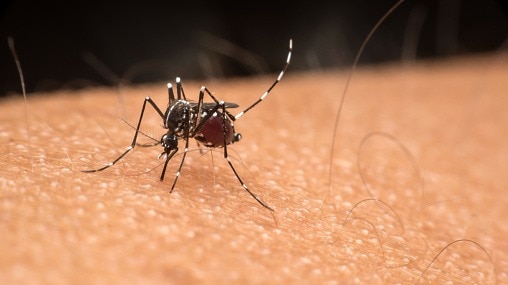
Chronic health issues arising from chikungunya pose a significant concern, as about half of those infected may develop long-term disabilities. The chikungunya virus is primarily spread by Aedes aegypti and Aedes albopictus mosquitoes, known as yellow fever and tiger mosquitoes. It causes severe joint pain and high fever. Since its resurgence in 2004, outbreak cases have been reported in over 114 countries, marking a growing public health challenge.
While many patients recover from the initial phase after a few weeks, more than 50% of chikungunya survivors suffer from prolonged joint pain and disability. Although fatalities are rare, they can occur. Currently, there are no specific antiviral treatments for chikungunya, although two vaccines have been approved for use in select countries.
To assess risk, the researchers applied machine learning techniques to merge data on chikungunya infections with factors like mosquito populations, environmental conditions, and national GDP. Their model predicts that, on average, 1.2% to 1.3% of those at risk could contract chikungunya globally each year-lower than the annual risk for dengue, which stands at 6%. However, certain regions, such as Gabon in Africa, could see infection rates soaring to 11%.
The study revealed that chronic illness is responsible for more than half of chikungunya’s global health burden, with most affected individuals aged 40 to 60. The highest acute illness rates are found among children under 10 and adults over 80. Hyolim Kang, the lead researcher and a doctoral student at LSHTM, highlighted that chikungunya mosquitoes were thought to be limited to tropical regions. However, the analysis shows that the risk extends far beyond these areas.
Kang emphasized that disease prevention is vital for all, as there are currently no specific antiviral therapies for chikungunya. Treatment relies entirely on supportive care, making infections not only excruciatingly painful but also potentially debilitating even for those in good health. Sushant Sahastrabuddhe, Associate Director General at the International Vaccine Institute, stressed the importance of sharing modeling efforts in real-time to assist public health professionals in managing ongoing cases and future preparedness.
Kaja Abbas, a senior author of the study, remarked that their model-based estimates could guide vaccination strategies for different age groups using the two licensed vaccines in Brazil and other at-risk areas globally. As unpredictable changes, including extreme weather and climate impacts, can influence future outbreaks, the study highlights the necessity for ongoing surveillance and vaccine preparedness.
With India facing the prospect of millions at risk and a significant long-term disease burden, continuous surveillance, public education, and effective vaccine strategies are crucial. These findings provide essential insights for interventions aimed at mitigating the human and healthcare impacts of chikungunya in India and elsewhere.
Original Source: https://www.indiatoday.in/amp/health/story/over-50-lakh-indians-at-long-term-risk-of-chikungunya-as-threat-rises-2797583-2025-10-05
Category:
Tags:
Publish Date: 2025-10-05 07:00:00