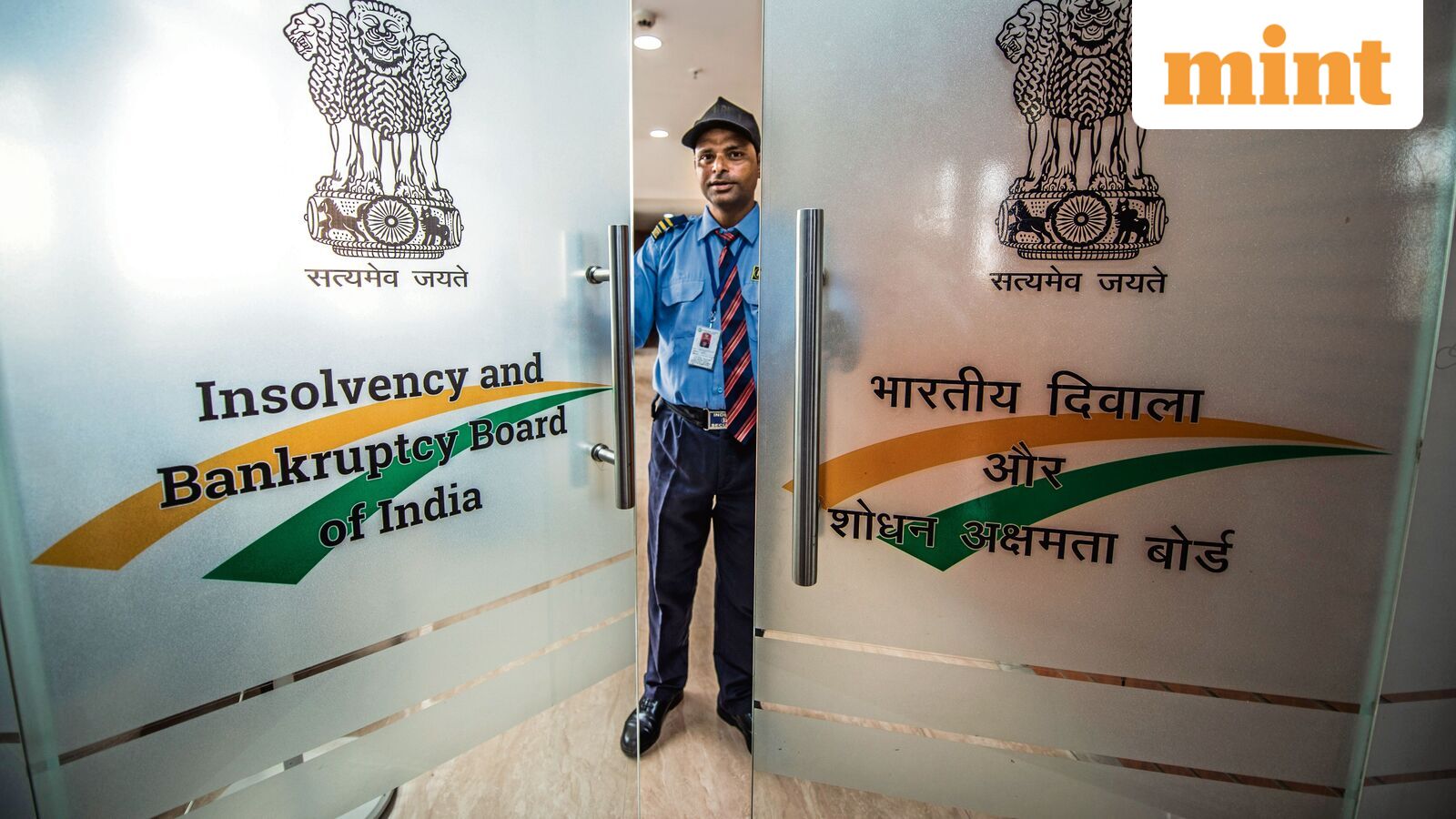

The Indian government is moving to reconcile the legal frameworks of the Prevention of Money Laundering Act (PMLA) and the Insolvency and Bankruptcy Code (IBC) due to the complexities they create for distressed companies. High-level discussions among the Ministry of Corporate Affairs, the Insolvency and Bankruptcy Board of India (IBBI), and the Directorate of Enforcement (ED) have highlighted the need for clarity, especially regarding asset management in insolvency proceedings.
According to a report by Mint, the ED has introduced a new protocol for resolution professionals managing bankrupt entities, detailing how they can attach assets using the PMLA. This involves seeking approvals from special PMLA courts to release assets for inclusion in investment prospectuses. However, this process could clash with the IBC’s strict deadlines for resolving insolvencies-typically within 330 days-prompting the government to address these legal conflicts to prevent prolonged litigation.
The PMLA empowers the ED to investigate money-laundering offenses, provisionally attach tainted assets, and restore them to rightful owners, with special courts overseeing such cases. In contrast, the IBC focuses on enabling lenders to engage administrators to manage failing companies, assess creditor claims, attract new investments, and secure a court-approved rescue plan aimed at economic efficiency.
The intersection of these two laws has led to disputes due to their powerful non-obstante clauses, which prioritize their provisions over conflicting laws. As noted by a legal expert, the ED’s asset attachments and the timelines under the IBC can create significant hurdles in the resolution process. A suggested workaround could involve carving out exemptions in the PMLA for real estate projects, allowing for smoother bankruptcy resolutions without undue delays.
With real estate and construction sectors accounting for a significant portion of bankruptcy cases-over a third of nearly 8,500 filings-finding a balanced operational framework is imperative. The Supreme Court is currently deliberating on a case involving PMLA asset attachments, which underscores the significance of resolving these legal tensions.
Recent rulings from the Supreme Court, particularly in Kalyani Transco v. Bhushan Power & Steel, have clarified that insolvency tribunals must respect the ED’s established powers, affirming the PMLA’s dominance regarding asset attachments. However, Section 32A of the IBC offers vital immunity to new resolution applicants from liabilities predating the corporate insolvency processes, allowing them to take control of distressed companies without fear of asset seizures linked to previous management.
Experts advocate for legislative amendments to streamline the asset attachment and resolution procedures. They propose allowing the ED to maintain attachment rights while enabling resolution processes with equivalent asset value. Madhav Kanoria from Cyril Amarchand Mangaldas emphasizes that once a resolution plan gains approval, automatic release of ED-attached assets is crucial to avert entanglement in legal disputes post-approval.
Overall, effective coordination between the ED and IBC is essential to ensure that successful resolution applicants can smoothly revive distressed companies. Tax partner Amit Maheshwari highlights that homebuyers, recognized as bona fide claimants, often successfully secure property restorations post-investigation, further underscoring the need for clarity in these intertwined legal landscapes.
As inquiries made to the finance and corporate affairs ministries and the IBBI remained unanswered at the time of publication, the ongoing discussions highlight the importance of resolving these legal complexities to foster a more efficient corporate recovery framework. Addressing these issues could enhance both compliance with money-laundering statutes and the swift resolution of corporate insolvencies, ultimately benefiting the economy at large.
Original Source: https://www.livemint.com/news/homebuyers-real-estate-developer-insolvency-and-bankruptcy-code-ibc-prevention-of-money-laundering-act-pmla-resolution-11759297260987.html
Category :
Tags:
Publish Date: 2025-10-01 13:39:00