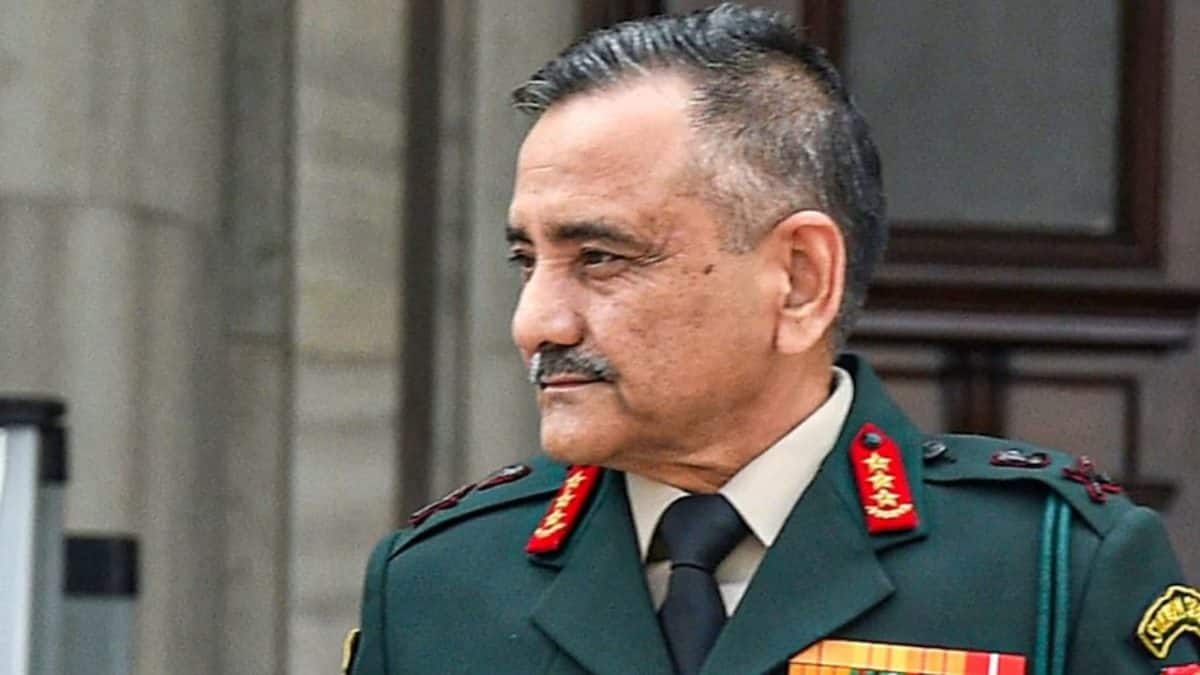

Chief of Defence Staff (CDS) General Anil Chauhan emphasized the necessity for India to prepare for potential bio-threats and the risks associated with radiological contamination from nuclear weapons. Speaking at the Scientific Session on the 100th Raising Day of the Military Nursing Service at the Manekshaw Centre in Delhi on September 30, he stated that while the chances of a nuclear attack are low, it is wise for India to incorporate this risk into its security planning.
General Chauhan underscored the increasing likelihood of bio-threats, both man-made and natural, in the post-Covid era. He noted that the pandemic has intensified global challenges and cautioned that these threats will require distinct treatment protocols and defensive strategies. “We must be prepared for this in the future,” he said.
On the subject of nuclear preparedness, he referenced India’s response post-Operation Sindoor, where the Prime Minister asserted that the nation will not yield to nuclear blackmail. He acknowledged that although the probability of nuclear weapon use in India is minimal, integrating this consideration into security strategies is essential. He highlighted that managing radiological contamination necessitates specific treatment protocols that must be included in military training.
Chauhan also addressed recent nuclear threats from Pakistan, particularly comments made by its ministers during military escalations. He pointed out that these threats reflect Pakistan’s nuclear doctrine, including warnings from the Pakistani Army Chief to India during a speech in the United States. In response, Prime Minister Modi reaffirmed that New Delhi would not succumb to nuclear intimidation.
During his address, he further stressed the critical importance of safeguarding medical data amid the evolving nature of warfare. He pointed out that India’s unique DNA means that the immune system responds differently to various environmental strains and infections, emphasizing that individual medical data protection is paramount. This protection includes securing case histories and operational data related to health patterns and evacuation protocols.
He underscored that role-based access and the encryption of medical data are vital in today’s data-centric warfare landscape, where any advantage in information can be detrimental. While acknowledging that data security is not solely the responsibility of the Military Nursing Service, he urged awareness of these challenges.
Original Source: https://www.firstpost.com/india/cds-anil-chauhan-nuclear-threat-bio-threats-india-pakistan-tension-13938200.html
Category: India
Tags:
Publish Date: 2025-09-30 16:21:00