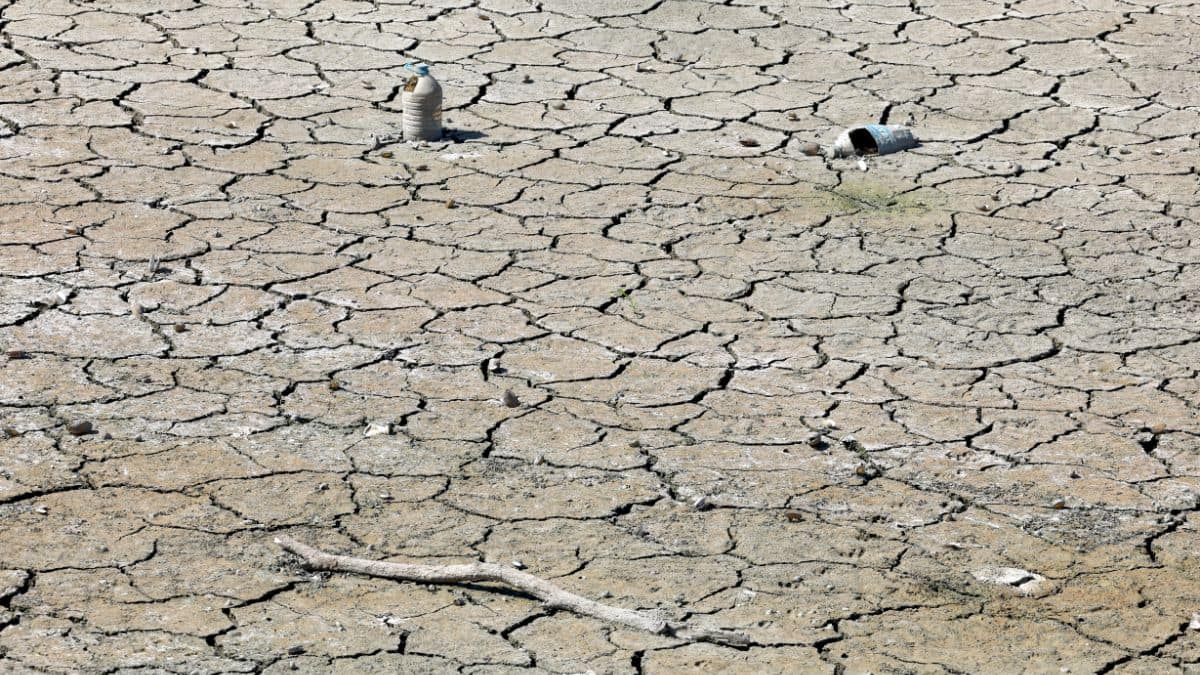

The warning signs of a deepening global water crisis are flashing red. As the planet warms, rainfall patterns shift, and water demands surge, experts are sounding the alarm that “Day Zero droughts”—moments when entire cities risk turning on taps to find nothing-could arrive sooner than many policymakers and residents expect. A major international study published in Nature Communications reveals that regions across the Mediterranean, southern Africa, and North America could face severe water scarcity events as early as the late 2020s and into the 2030s. For urban centers, rural communities, and agricultural systems alike, the findings highlight the imminent threat posed by a changing climate and increasing pressure on freshwater resources. The research suggests that “Day Zero” is not a distant possibility but a near-term reality for many areas if current warming and consumption trends continue.
The term “Day Zero drought” gained prominence during the Cape Town water crisis of 2017-2018. Starting in 2015, this South African city experienced its worst drought in over a century, caused by record-low rainfall and increasing water demand. By early 2018, the city’s largest reservoir, Theewaterskloof, had fallen to critically low levels, with river flows at their lowest since 1904. The local government warned that without a sharp reduction in consumption and a return of rains, Cape Town would reach “Day Zero,” forcing most taps to shut off, with residents queuing for emergency water supplies. The crisis was narrowly averted later that year when above-average rainfall refilled the dams, but it exposed urban water systems’ vulnerability to multi-year droughts, especially those reliant solely on surface water.
Research categorizes Day Zero droughts as “compound extreme events.” Unlike traditional meteorological or agricultural droughts defined by rainfall deficits, Day Zero events occur when multiple factors converge: prolonged dry spells, dwindling river flows, shrinking reservoirs, and rising water demands from households, farms, and industries. The Nature Communications study, conducted by scientists from various institutions including Pusan National University in South Korea, used advanced climate models to project when and where Day Zero droughts might occur in the coming decades. Researchers found that warming temperatures disrupt the global water cycle and affect precipitation, leading to severe water shortages. They simulated scenarios where rainfall, river flows, and reservoir levels could no longer meet human and environmental needs, marking a potential Day Zero scenario.
The study’s findings are sobering. It estimates that within the next 15 years, 35 percent of drought-prone regions worldwide could experience Day Zero conditions. By the century’s end, nearly three-quarters of such areas are likely to be at risk if greenhouse gas emissions remain high and water management practices don’t improve. Christian Franzke, a study author, remarked, “These are unprecedented water scarcity events, events which haven’t occurred so far. It’s when you turn on your water tap and no water comes out.” The models identified several hotspots where the risks are acute: the Mediterranean Basin, southern Africa, and parts of North America. Up to 750 million people globally could face Day Zero drought conditions by 2100, with a significant portion in urban areas.
Recent crises serve as stark reminders of what Day Zero droughts look like on the ground. Cape Town’s near miss in 2018 was followed by Chennai, India, facing a similar water crisis in 2019 due to failed monsoon rains that left its reservoirs nearly empty. Residents had to queue for hours under scorching heat as water was delivered by truck, demonstrating the severe impacts of water stress. Major cities like Los Angeles, Mexico City, Kabul, and Tehran are also identified as facing high water stress, with limited resilience against severe droughts.
Experts assert that both climate change and human activity are critical drivers of Day Zero drought risks. Global warming intensifies the hydrological cycle, resulting in longer droughts in some areas while causing extreme rainfall in others. As temperatures rise, evaporation rates increase, drying out soils and reducing river flows even as demand climbs. Rapid urbanization and industrial growth further strain already pressured water systems. Agriculture accounts for around 70 percent of global freshwater withdrawals, while mining and energy production consume vast additional quantities. Inadequate infrastructure exacerbates the crisis, with leaky pipes resulting in significant water loss before reaching consumers, along with untreated wastewater pollution limiting usable water.
Low-income communities are expected to bear the brunt of these shortages, as wealthier households often secure private sources of water, leaving poorer populations exposed when public systems fail. The study suggests that mitigating Day Zero droughts requires urgent action, including reducing greenhouse gas emissions and improving water management practices. Experts indicate that even limiting global temperature rise to 1.5 degrees Celsius may not spare millions from facing unprecedented water shortages. Increasingly, measures must encompass repairing dilapidated infrastructure, adopting water-efficient technologies, and recycling wastewater. Urban planning also needs to integrate water availability into its framework, ensuring industries that use significant water resources consider the risks of operating in stressed regions.
Ultimately, effective early-warning systems, drought preparedness plans, and public awareness initiatives can help communities adapt before crises strike. Cape Town’s experience illustrates that aggressive conservation measures and clear public communication can create valuable time during dwindling water supply situations.
Original Source: https://www.firstpost.com/explainers/day-zero-drought-when-taps-run-dry-explained-13936579.html
Category: India
Tags:
Publish Date: 2025-09-24 20:13:00