Unlocking Nature’s Resilience: How Widely Targeted Metabolic Profiling Reveals Drought Resistance Secrets in Alfalfa Leaves

In recent agricultural research, a study led by Hu et al. sheds light on the detrimental effects of high temperatures and drought on summer maize, an essential crop in many countries. Published in Agricultural Water Management, the research emphasizes how these combined stresses can significantly impede photosynthesis and accelerate plant senescence. Effective crop management strategies are crucial, particularly as climate change intensifies these environmental conditions and threatens food security.
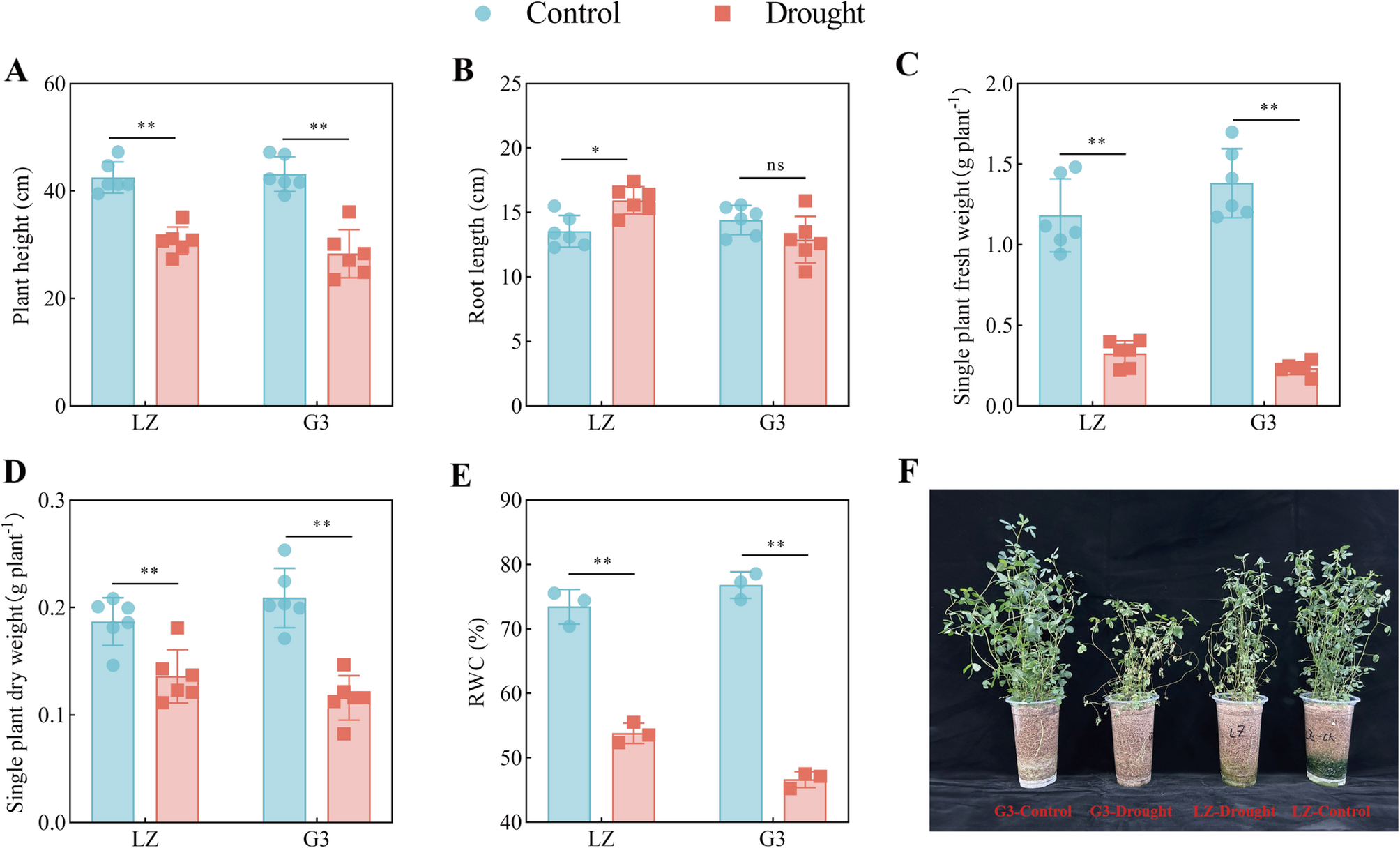
The study meticulously analyzed the physiological responses of maize under simulated drought and high-temperature scenarios. Key findings indicate that drought stress leads to reduced water availability, which in turn hampers photosynthetic efficiency and overall plant growth. The authors noted, “As temperatures rise and water resources dwindle, understanding plant responses becomes vital for developing resilient agricultural practices.”
Drought impacts not only the physiological aspects of maize but also its metabolic processes. For instance, research conducted by Zhao and colleagues on Jerusalem artichoke explored how polyethylene glycol-simulated drought conditions triggered significant changes in metabolite levels, suggesting adaptations to cope with water scarcity. Such insights from different studies highlight the complex interplay between water stress, plant metabolism, and overall health.
Furthermore, a novel perspective from He et al. revealed that drought stress affects male and female poplar trees differently, impacting their ability to resist herbivory. This sex-specific response underscores the need for targeted approaches to plant breeding and management that consider gender-based variations in stress responses.
In the quest for sustainable agricultural practices, researchers like Li and colleagues have examined how deficit irrigation influences photosynthesis and water use efficiency in crops such as sugar beet. Their findings advocate for optimized irrigation strategies that balance crop yield and water conservation.
Diving deeper into plant responses, research shows that understanding the underlying genetic and molecular mechanisms of drought responses is crucial. Studies on maize transcriptomes have unveiled genetic variations that confer drought tolerance, providing a roadmap for breeding more resilient crop varieties. This angle aligns with trends toward genetic improvements in crops as climate variability intensifies.
Moreover, Laxa et al. identified the role of antioxidant systems in plants during drought conditions, asserting that these mechanisms are vital for enhancing drought tolerance. The growing body of literature on plant responses to environmental stressors emphasizes the importance of holistic approaches in plant research.
As farmers brace for the inevitable challenges of climate change, integrating findings from various studies can help develop comprehensive strategies that bolster crop resilience. Continued research into drought tolerance mechanisms, as highlighted by Zheng et al. and others, remains a pillar of modern agricultural science.
In conclusion, the ongoing exploration of the effects of high temperatures and drought on crops like summer maize informs future agricultural strategies. The key to thriving amid climate change lies in understanding and leveraging the complex biochemical pathways and genetic traits that make plants resilient. As this vital research unfolds, it paves the way for more sustainable agricultural practices and enhanced food security worldwide.
Tags: agriculture, drought, maize, climate change, photosynthesis, plant resilience, sustainable practices.
Original Source: https://bmcplantbiol.biomedcentral.com/articles/10.1186/s12870-025-07163-9
Category :
Tags:
Publish Date: 2025-09-22 04:05:00