Supreme Court’s Bold Waqf Act Order: A Stunning Wake-Up Call for the Government, Says TMC’s Derek O’Brien

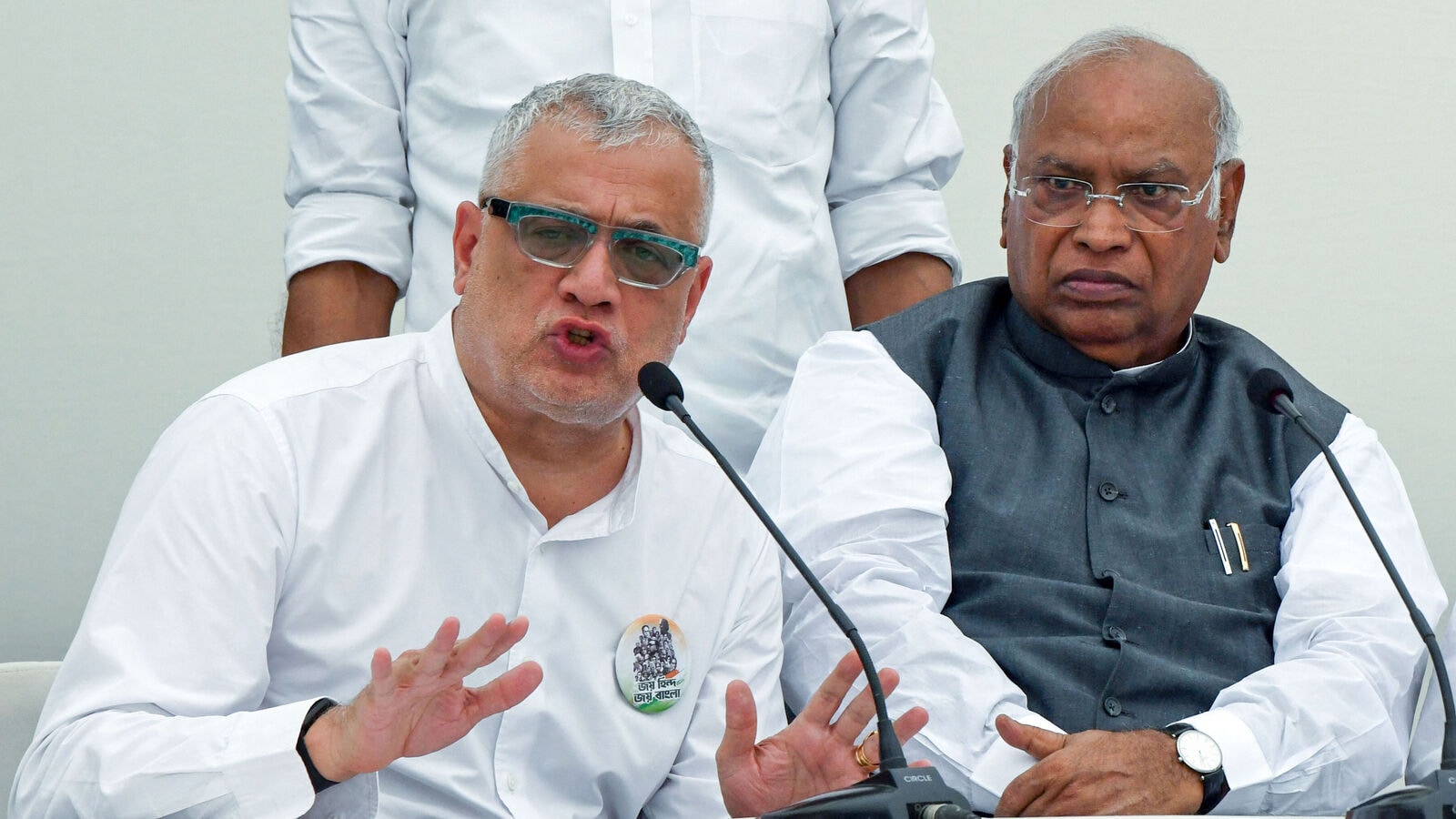
Trinamool Congress MP Derek O’Brien has criticized the Indian government following the Supreme Court’s decision to temporarily suspend key provisions of the Waqf Amendment Act. He described the ruling as a significant rebuke to what he termed “subterfuge legislation,” emphasizing that the court must address serious concerns regarding the compatibility of the Waqf Act with fundamental rights, particularly those related to equality and freedom of religion.
On Monday, the Supreme Court did not stay the entirety of the Waqf Amendment Act but put on hold specific clauses, including a controversial provision that mandates an individual must be a practising Muslim for five years to establish a Waqf. Chief Justice BR Gavai and Justice Augustine George Masih noted the necessity for safeguarding certain sections of the amended Act. O’Brien expressed that this week began for the government with another “black Monday,” indicative of ongoing issues related to legislative transparency and fairness.
In a critical blog post, O’Brien highlighted the suspension of two contentious provisions of the Waqf Act: the five-year requirement for declaring Waqf property and the appointment of a designated officer to adjudicate personal rights concerning the assets. He argued that the passing of the Waqf (Amendment) Bill in Parliament was marred by “chicanery and evasive tactics,” accusing the BJP-led coalition of undermining democratic processes.
Citing parliamentary practices, O’Brien pointed out that contentious motions, like referring the bill to a Joint Committee, were introduced at the last minute, obscuring dissenting opinions from opposition members. He lamented the late-night passage of the Waqf Bill, stating, “The law itself becomes a political message, not merely a regulatory tool, which citizens perceive as a method of surveillance rather than societal protection.”
The TMC leader maintained that recent legislative trends indicate a selective application of laws that disproportionately affect specific communities, threatening principles of equality and justice. He warned that governance under the BJP has manifested in the form of tailored laws that impose restrictions on certain groups while ignoring others, reflecting a growing issue of legal exceptionalism in India.
O’Brien underscored the importance of re-evaluating the presumption of constitutionality, stating that courts should only strike down laws if they are “manifestly unconstitutional.” He cautioned that recent practices challenge the fundamental tenets of democracy by allowing the state to determine who qualifies as a member of a minority community. This results in identity becoming conditional, whereby fundamental rights are subject to state certification.
The Supreme Court is now faced with pivotal questions regarding the Waqf Act’s alignment with constitutional rights, particularly Articles 14 (equality before the law), 25, and 26 (freedom of religion), along with the issue of unlawful discrimination based on religion (Article 15). O’Brien’s assertions call for a deeper examination of these stark legal implications.
In its interim order, the Supreme Court ruled to stay the provision requiring a five-year practice period for Waqf creation. It emphasized the need for regulations to determine a person’s status as a practising Muslim, highlighting that without proper mechanism, the provision might lead to arbitrary power exercises. The court also suspended the provision allowing a Collector to resolve disputes about Waqf properties as it violates the principle of separation of powers.
As the debate unfolds, the Supreme Court’s forthcoming assessments on these critical questions will not only shape the interpretation of the Waqf Amendment Act but also impact the broader narrative surrounding minority rights in India.
Original Source: https://www.livemint.com/news/india/supreme-court-order-on-waqf-act-more-than-a-rap-on-knuckles-of-govt-tmc-leader-derek-obrien-11758005813657.html
Category :
Tags:
Publish Date: 2025-09-16 12:48:00